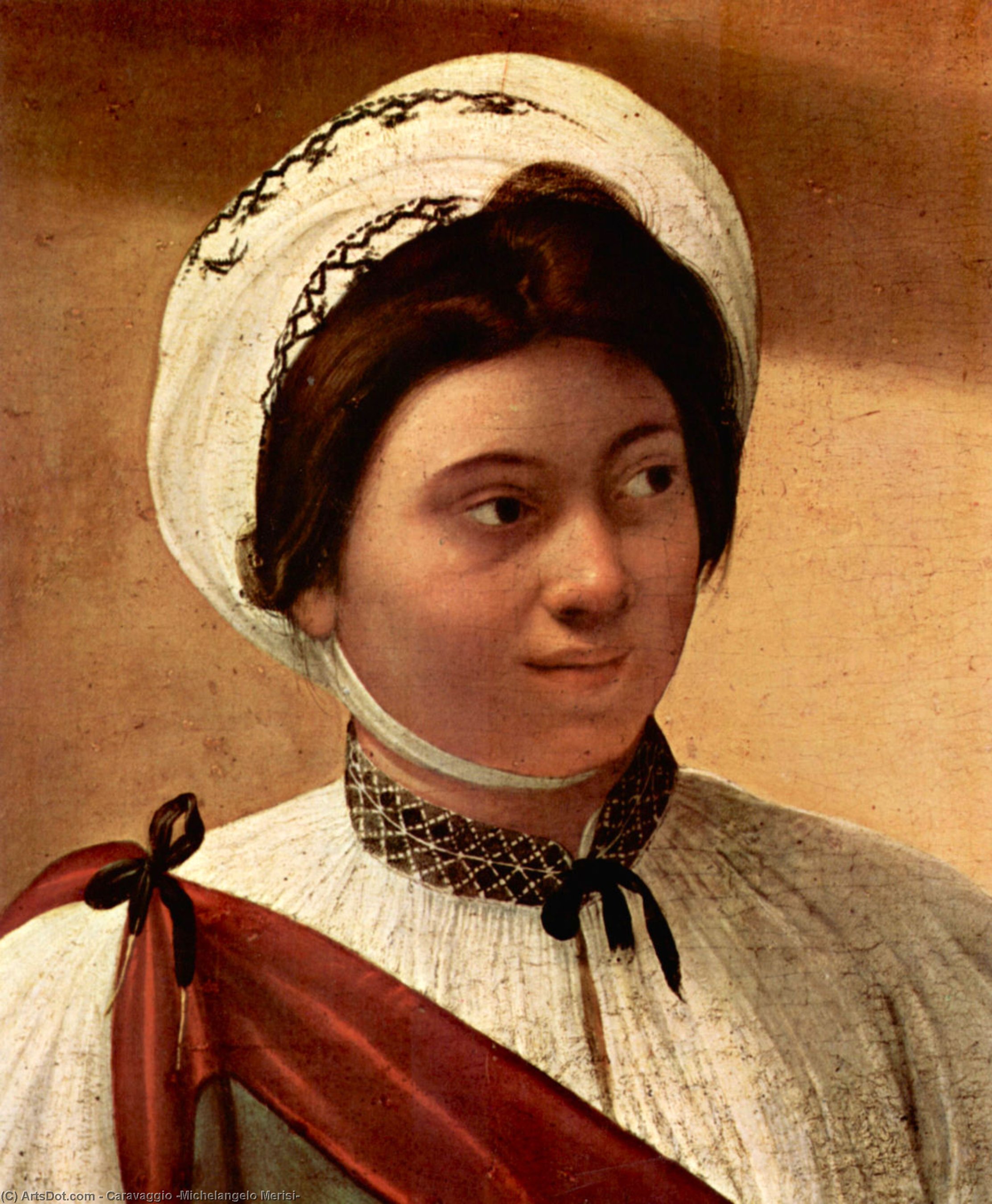
Witness Caravaggio's masterpiece, 'The Fortune Teller'! This dramatic Baroque painting showcases intense light & shadow, depicting a woman's enigmatic gaze. Explore tenebrism and symbolism within this iconic work.
Explore Caravaggio (1571-1610): Baroque master of realism & tenebrism. Dramatic religious scenes, intense chiaroscuro, and a revolutionary style that influenced Rubens & Rembrandt.
Explore the Louvre Museum in Paris! Home to iconic masterpieces like the Mona Lisa & Venus de Milo, journey through art history from ancient Egypt to Renaissance icons. Plan your visit today!
The Fortune Teller (detail): A Masterpiece of Dramatic Light and Intrigue
Caravaggio’s *The Fortune Teller*, completed in 1598-99, stands as a cornerstone of Baroque art—a testament to Michelangelo Merisi da Caravaggio's unparalleled ability to manipulate light and shadow, transforming a seemingly simple subject into an emotionally charged tableau. Currently residing within the Louvre Museum’s collection, this painting transcends mere representation; it embodies the very spirit of its era and continues to fascinate audiences centuries later.
The Essence of Tenebrism: Darkness Embraced
At the heart of *The Fortune Teller*'s power lies Caravaggio's masterful application of tenebrism—a technique that would solidify his reputation as one of history’s most innovative painters. Derived from Italian “tenebroso,” meaning shadowy, tenebrism eschews conventional chiaroscuro, favoring extreme contrasts between illumination and darkness. Caravaggio doesn’t merely depict light; he orchestrates it, channeling it into pools of radiant glow that illuminate specific areas of the composition while plunging the rest into impenetrable gloom. This dramatic effect isn't accidental—it serves to heighten tension, amplify emotion, and draw the viewer’s gaze directly to the central figure: a woman shrouded in darkness, her face turned towards us with unwavering intensity.
A Portrait of Mysticism: Subject Matter and Symbolism
The painting depicts a woman seated upon a stool, holding a crystal ball aloft—a symbol deeply rooted in folklore and divination practices prevalent during Caravaggio’s time. Her attire is modest yet elegant, adorned with a scarlet ribbon around her neck – a color traditionally associated with passion and nobility. The woman's gaze is unflinching, confronting the viewer head-on, creating an immediate connection that transcends time. Beyond its literal depiction, *The Fortune Teller* speaks to broader themes of fate, intuition, and the human desire to understand the unseen forces shaping our lives. Caravaggio deliberately avoids portraying her face fully illuminated; instead, he obscures it with shadow, fostering a sense of mystery and inviting speculation about her thoughts and emotions.
Influence Beyond Technique: Echoes in Boulogne’s Work
Caravaggio's influence extended far beyond his groundbreaking technique. Consider Valentin de Boulogne’s *David with the Head of Goliath and Two Soldiers*, also available on ArtsDot.com—a piece that shares a similar dramatic illumination style, mirroring Caravaggio’s obsession with capturing visceral emotion through masterful chiaroscuro. This stylistic kinship underscores Caravaggio's enduring legacy as a pioneer who redefined artistic expression during the Baroque period.
A Legacy of Emotion: Caravaggio and Beyond
Caravaggio’s oeuvre includes iconic works such as *Death of the Virgin* and *The Wedding at Cana*, both permanently housed in the Louvre—each demonstrating his unwavering commitment to portraying human experience with unflinching honesty and profound psychological depth. For more information on Caravaggio and his paintings, visit Caravaggio (Michelangelo Merisi): The Fortune Teller (detail) on ArtsDot.com.