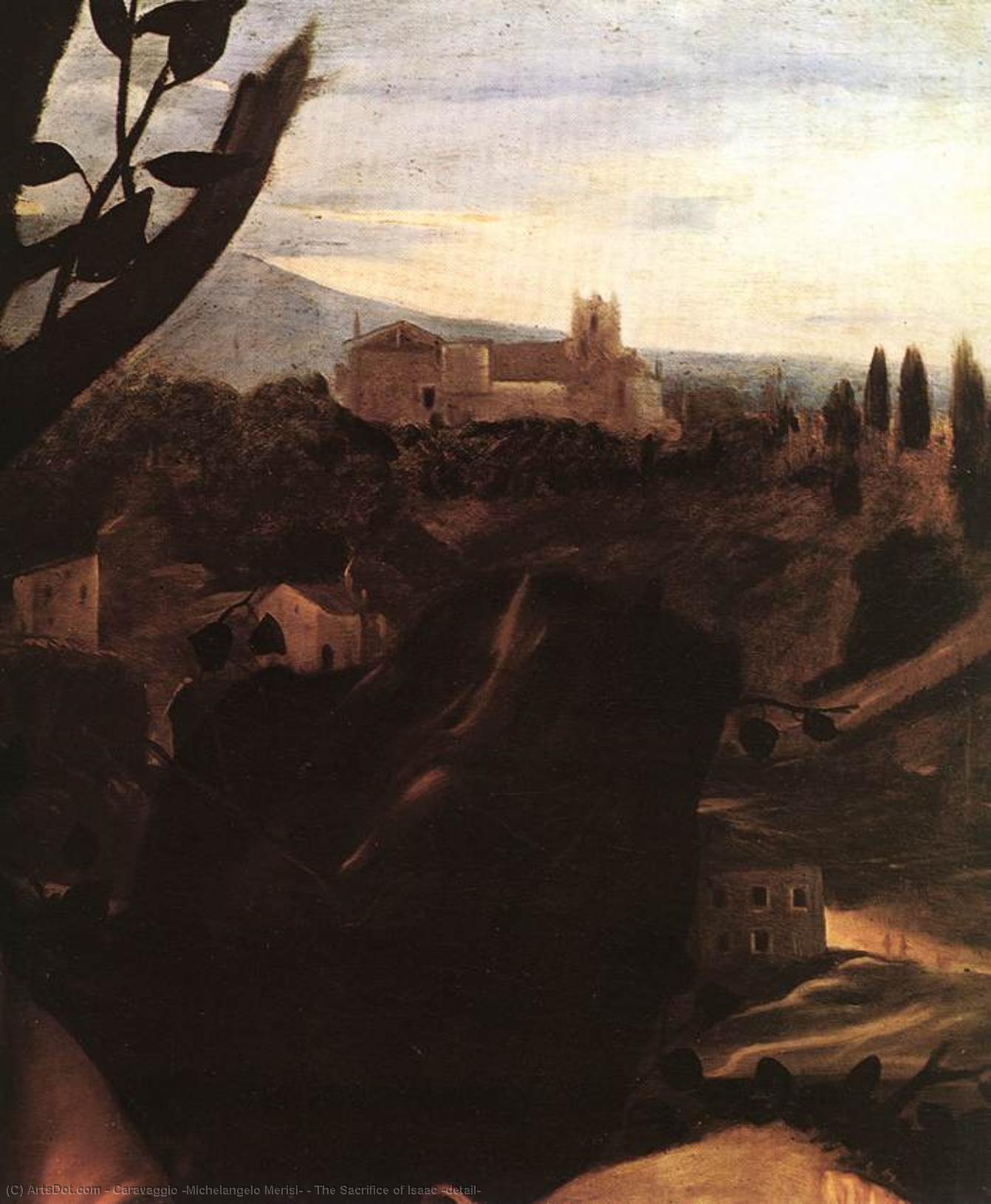
A Shadowed Testament: Unraveling the Mystery of Caravaggio’s “Sacrifice of Isaac”
Michelangelo Merisi da Caravaggio, a name synonymous with dramatic intensity and revolutionary technique, gifted us with a painting that continues to provoke debate and captivate viewers centuries after its creation: “The Sacrifice of Isaac.” More than just a biblical depiction, this work is a visceral exploration of faith, obedience, and the agonizing weight of divine command. Initially attributed to Caravaggio himself, recent scholarship has increasingly suggested the hand of Bartolomeo Cavarozzi, a talented follower who carried forward the master’s innovative style. The painting, currently residing in the Galleria degli Uffizi in Florence, is not merely a historical record; it's a profoundly human drama rendered with an almost unbearable realism.
At first glance, the scene unfolds with stark simplicity: Abraham, aged and weary, stands poised to offer his son Isaac upon a makeshift altar. The landscape behind him—a rugged, mountainous terrain punctuated by a distant town – provides a dramatic backdrop, emphasizing the isolation and gravity of the moment. However, it’s Caravaggio's masterful manipulation of light and shadow that truly elevates the work. A single, intensely bright beam illuminates Abraham and Isaac, casting the surrounding figures in deep darkness. This technique, known as chiaroscuro, creates a powerful sense of tension and foreboding, drawing our attention to the central figures while simultaneously hinting at the horror unfolding before us. The blue-grey sky above adds to this atmosphere of unease, suggesting an impending storm or perhaps the weight of divine judgment.
- Caravaggio’s Revolutionary Style: Caravaggio's genius lay in his ability to capture not just the appearance but also the emotional state of his subjects. He employed a technique known as “tenebrism,” using stark contrasts between light and dark to create dramatic effects and heighten the sense of drama.
- The Role of Bartolomeo Cavarozzi: While Caravaggio’s influence is undeniable, some art historians believe that Cavarozzi may have contributed significantly to the painting's execution, particularly in the details of the landscape and the rendering of certain figures.
A Biblical Narrative Transformed
The story depicted is a harrowing episode from Genesis – Abraham’s obedience to God’s command to sacrifice his son Isaac. The painting doesn't shy away from the brutality of the scene, yet it also imbues it with a profound sense of pathos. Abraham’s face reflects a mixture of sorrow and resignation, while Isaac appears utterly helpless, bound and awaiting his fate. The angel, rendered in a surprisingly human form, intercedes at the last moment, preventing the unthinkable from occurring. This intervention is not presented as miraculous but rather as a demonstration of God's mercy and Abraham’s unwavering faith.
The painting’s historical context is crucial to understanding its impact. Created during the Counter-Reformation, a period of intense religious fervor and scrutiny, “The Sacrifice of Isaac” likely served as a powerful visual sermon, illustrating the importance of obedience to God's will even in the face of unimaginable suffering. The scene resonated deeply with viewers who grappled with questions of faith, morality, and divine justice.
Reproductions: Bringing Baroque Drama Home
ArtsDot offers meticulously crafted, handmade oil painting reproductions of Caravaggio’s “Sacrifice of Isaac,” allowing you to experience the power and emotion of this iconic masterpiece in your own home. Our skilled artisans painstakingly recreate every detail—from the dramatic lighting to the nuanced expressions on the figures' faces—using only the finest materials and techniques. These reproductions capture not just the visual appearance of the original but also its profound emotional impact, transforming it into a stunning addition to any art collection or interior design scheme.
Explore our high-quality reproductions today: “Sacrifice of Isaac (detail)” – Witness the intricate details and emotional intensity firsthand.
Beyond the Canvas: Caravaggio’s Legacy
Caravaggio's influence extends far beyond “The Sacrifice of Isaac.” His innovative use of light, his realistic portrayal of human figures, and his willingness to depict scenes from everyday life revolutionized painting in the 17th century. Artists such as Rembrandt and Rubens were profoundly influenced by his techniques, shaping the course of Western art for generations to come. For a deeper understanding of Caravaggio’s life and work, we invite you to explore our collection of other masterpieces: “The Sacrifice of Isaac” and “The Sacrifice of Isaac (detail)”.
To learn more about the Uffizi Gallery, where this extraordinary painting is housed, visit The Uffizi Gallery, Florence Italy.