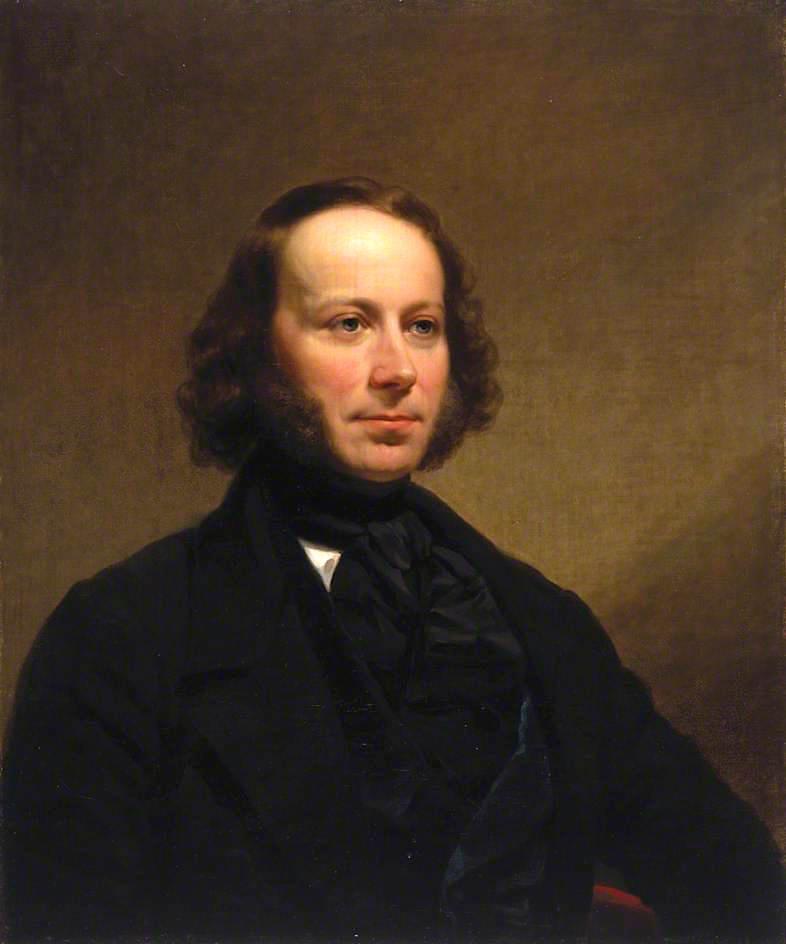
The
John Ericsson painting, created by
Charles Loring Elliott in 1845, is a remarkable example of American portraiture. This oil on canvas piece, measuring 72 x 59 cm, is currently housed at the
Science Museum in the United Kingdom. As a prominent artist of his time,
Charles Loring Elliott was known for his exceptional skill in capturing the likenesses of his subjects.
The Artist's Background
Charles Loring Elliott was an American painter born in 1812 in Auburn, New York. He began his career as a portraitist in central New York before moving to New York City in 1845 to further pursue his artistic endeavors. Elliott was elected to the National Academy of Design in 1846, solidifying his position as a leading artist of his time. You can find more information about
Charles Loring Elliott on
John Ericsson.
The Painting's Significance
The
John Ericsson painting is a testament to Elliott's mastery of portraiture. The subject,
John Ericsson, was a Swedish-American inventor and engineer who designed the USS Monitor, a Civil War-era ironclad warship. The painting showcases Elliott's ability to capture the essence of his subjects with precision and attention to detail. To learn more about other paintings by
Charles Loring Elliott, visit
Charles Loring Elliott.
Key Features of the Painting
Some notable features of the
John Ericsson painting include:
- The subject's serious expression, which conveys a sense of intensity and focus.
- The intricate details of Ericsson's attire, including his suit and tie.
- The masterful use of color, with a predominantly dark palette that adds depth to the portrait.
For more information on American art and artists, you can visit
Science Museum.
The
John Ericsson painting is a remarkable example of American portraiture, showcasing
Charles Loring Elliott's exceptional skill and attention to detail. As a handmade oil painting reproduction available on ArtsDot.com, this piece can be appreciated by art enthusiasts around the world.