Charles Webster Hawthorne was an American painter renowned for his evocative portraits and landscapes, particularly his depictions of New England coastal life. A key figure in the Cape Cod School of Art, he championed plein air painting and influenced generations with his tonal style and dedication to capturing light and atmosphere.
Explore modern & contemporary art at the Hirshhorn Museum in Washington, D.C.! Discover iconic works, sculpture gardens, thought-provoking exhibitions & free admission.
A Window Into Maine’s Soul: Exploring Hawthorne's “The Story”
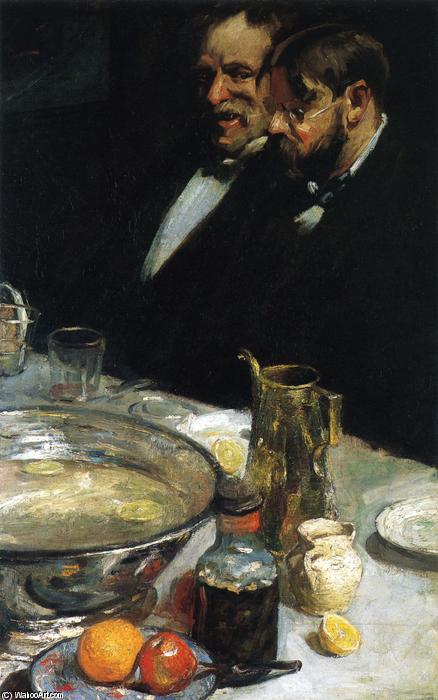
Charles Webster Hawthorne’s “The Story,” or “Pleasures of the Table,” painted in 1898, isn’t merely a depiction of a dining scene; it’s an embodiment of Luminist philosophy—a movement that championed capturing the sublime beauty of nature without overt sentimentality. Situated on the windswept shores of Maine, Hawthorne's canvas reflects the profound influence of his formative years spent observing the dramatic interplay between light and sea.
- Subject Matter: The painting centers around two men seated at a table laden with opulent tableware – wine glasses overflowing with ruby liquid, delicate porcelain cups cradling steaming beverages, bowls brimming with fruit—a tableau designed to celebrate conviviality and shared experience.
- Style & Technique: Hawthorne’s masterful use of oil paint exemplifies Luminist principles. He eschewed brushstrokes that would convey emotion or dramatic gesture, opting instead for subtle gradations of color and meticulous attention to detail. The resulting surface possesses an almost velvety smoothness, achieved through layering thin glazes—a technique crucial in capturing the ethereal quality of light reflecting off surfaces like polished glass and ripening fruit.
- Historical Context: Painted during a period of burgeoning American artistic ambition, “The Story” aligns with Luminism’s reaction against Impressionism's focus on fleeting moments and subjective perception. Luminists sought to depict landscapes as they appeared at a specific time of day—often dawn or dusk—emphasizing the grandeur and immensity of nature while simultaneously conveying a sense of quiet contemplation.
Symbolism Beyond Surface Beauty: Hawthorne’s careful arrangement of objects isn't accidental; it speaks to deeper themes. The abundance of fruit symbolizes fertility and nourishment, mirroring the warmth and generosity inherent in human companionship. The wine glasses represent indulgence and celebration—a deliberate choice to elevate the dining experience beyond mere sustenance into a ritualistic appreciation of life’s simple joys. Furthermore, the muted palette – predominantly browns, creams, and subtle blues – reinforces the Luminist aesthetic's commitment to portraying landscapes with uncompromising realism.
Emotional Resonance: “The Story” transcends its visual description; it evokes a palpable feeling of serenity and intimacy. The soft light bathing the scene creates an atmosphere of warmth and comfort, inviting viewers into a moment of quiet reflection. Hawthorne’s ability to convey this understated emotion underscores his genius as a painter—a testament to his unwavering dedication to capturing not just what he saw but also what he felt about it.
Ultimately, Hawthorne's “The Story” remains an enduring masterpiece because it succeeds in distilling the essence of Luminist philosophy into a single image. It’s a painting that invites us to pause and appreciate the beauty of the natural world alongside the pleasures of human connection—a timeless reminder that true artistry lies in capturing not just appearances but also the profound spirit of its time.