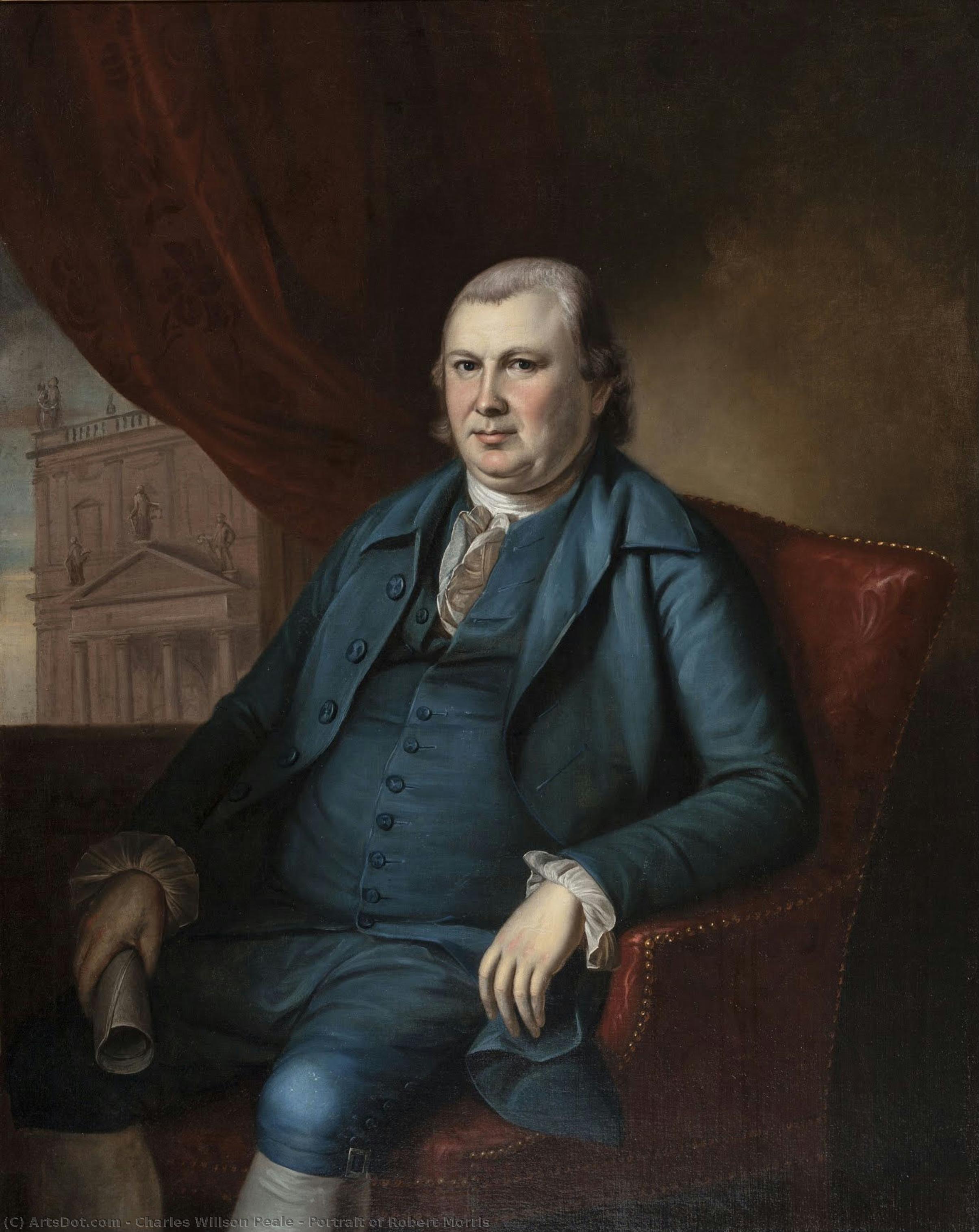
Charles Willson Peale: A Pioneer of American Portraiture
Charles Willson Peale stands as one of the most influential figures in early American art history, recognized not merely for his artistic skill but also for his unwavering dedication to science and civic engagement. Born April 15, 1741, in Chester County, Maryland, Peale’s life unfolded against a backdrop of considerable hardship following his father's untimely demise—a circumstance that ironically propelled him toward a path of artistic exploration.
His formative years were spent apprenticing as a saddler, honing practical skills alongside an innate fascination for visual representation. This initial training laid the groundwork for his burgeoning talent, nurtured further by brief studies with John Singleton Copley and, crucially, under Benjamin West in London (1767-1770). The latter’s influence proved transformative, exposing Peale to European artistic currents—particularly Neoclassicism—which profoundly shaped his distinctive style.
The Style of Neoclassicism: Precision and Idealization
Peale's artistic output is overwhelmingly characterized by Neoclassical principles. This stylistic choice reflects the intellectual fervor of the era, prioritizing reason and order alongside admiration for classical antiquity. Unlike the Rococo’s ornate frivolity, Peale’s portraits eschewed excessive embellishment in favor of meticulous detail and idealized representations of his subjects. Lines are crisp and deliberate, defining facial features with exacting accuracy—a hallmark of West's teachings—while clothing folds are rendered with painstaking realism.
A Masterful Technique: Layered Glazes and Atmospheric Perspective
Peale’s technique involved a sophisticated layering process utilizing thin glazes of oil paint. This method allowed him to build up color gradually, achieving remarkable luminosity and depth. The resulting surface possesses a smooth sheen, reflecting the artist's meticulous attention to texture—particularly evident in depictions of fabrics like coats and cuffs—and skin tones. Furthermore, Peale skillfully employed atmospheric perspective, subtly blurring distant architectural elements like buildings in the background to convey spatial recession and enhance the overall sense of realism.
Portraits of Power: Washington’s Legacy
Peale achieved enduring fame through his prolific portraiture of George Washington—approximately sixty canvases documenting every stage of the Founding Father's life. These portraits are more than mere likenesses; they serve as invaluable historical records, capturing Washington’s dignified countenance and conveying an aura of authority. They exemplify Peale’s ability to imbue his subjects with character and emotion, reflecting the profound impact of Washington on American identity.
Symbolism and Emotional Resonance
Beyond technical mastery, Peale's portraits resonate emotionally due to their symbolic significance. The formal poses adopted by his subjects—often seated in chairs—represent status and gravitas, mirroring the values championed during the American Revolution. Through careful observation of gesture and expression, Peale captured not only physical appearance but also inner spirit, creating images that continue to inspire awe and admiration centuries later.
Charles Willson Peale’s legacy extends beyond his artistic achievements; he was a devoted scientist who established Philadelphia's Museum of Art (later renamed Benjamin Franklin Museum), furthering the dissemination of knowledge and fostering appreciation for both art and science—a testament to his multifaceted brilliance.