A Tender Embrace: Exploring Cimabue’s ‘Kristi Gripande’
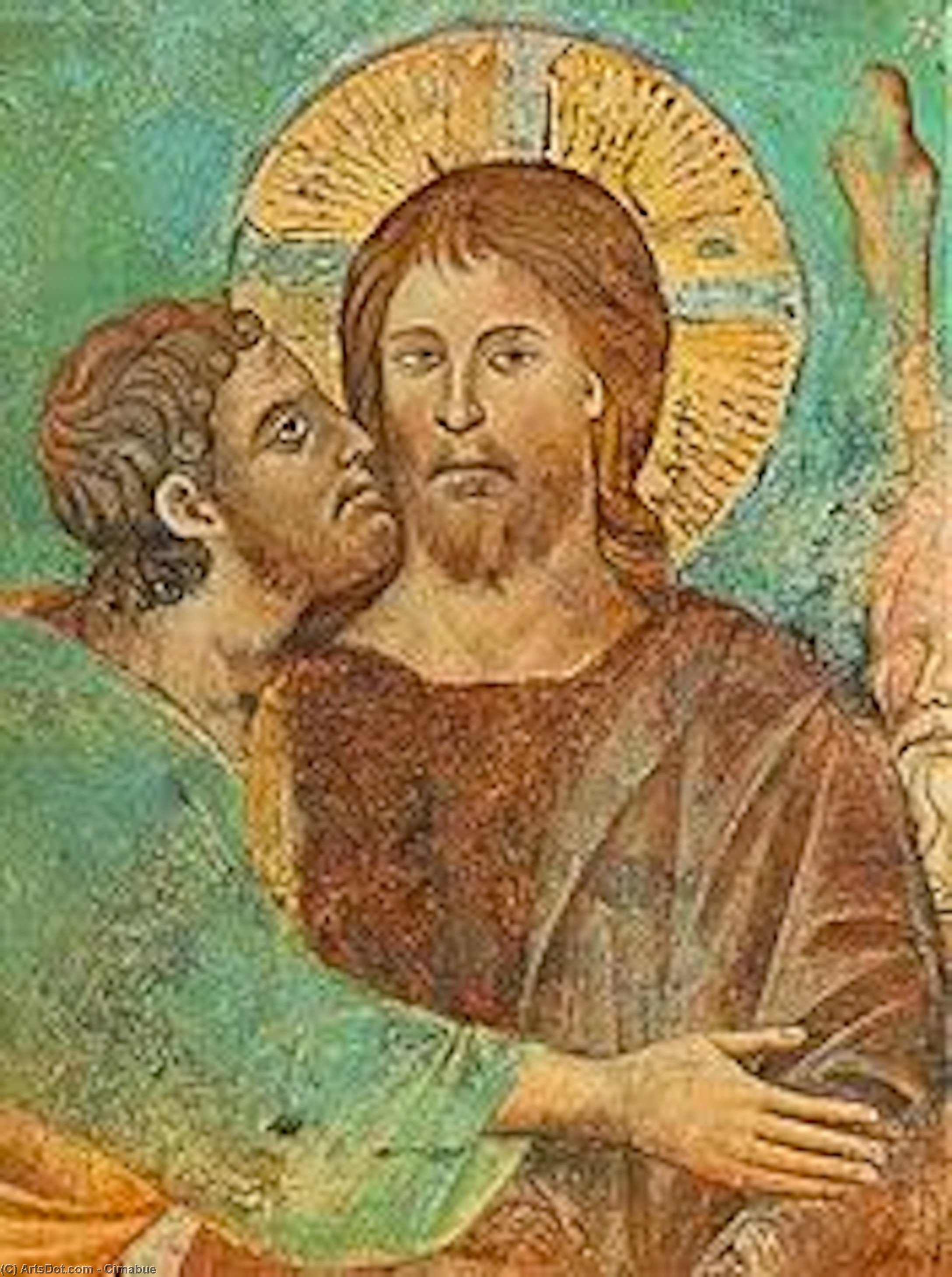
The painting “Kristi Gripande” (detail), attributed to Cimabue, stands as a poignant testament to the artistic ferment occurring in Florence during the early thirteenth century. More than just a depiction of religious iconography—specifically Jesus Christ embracing another man—it represents a pivotal moment in European art history: the tentative step away from Byzantine formalism towards the expressive dynamism that would characterize the Renaissance. Giorgio Vasari’s biographical account, though embellished with romantic embellishments, acknowledges Cimabue's significance as “the Florentine Dawn,” illuminating his role in initiating a transformative shift within artistic sensibilities.
- Subject Matter & Narrative: The scene portrays Jesus Christ extending his arms in an affectionate embrace towards another figure—a gesture laden with spiritual symbolism. While the precise identity of this companion remains debated amongst scholars, it’s universally interpreted as representing humanity itself, embodying compassion and divine grace.
- Byzantine Influence & Innovation: Cimabue's style firmly adheres to Byzantine traditions – characterized by flattened figures, luminous backgrounds achieved through encaustic painting (a technique involving beeswax mixed with pigment), and a deliberate avoidance of naturalistic detail. However, within this established framework, Cimabue subtly introduces elements that foreshadow the Renaissance’s embrace of perspective and anatomical accuracy.
- Technique & Material: Encaustic painting—a method perfected in Byzantium—was employed to create “Kristi Gripande.” This technique involved applying molten beeswax mixed with pigment onto wooden panels, resulting in a surface that is remarkably durable and retains exceptional color vibrancy. The meticulous layering of wax creates depth and luminosity, enhancing the emotional impact of the artwork.
- Symbolism & Spiritual Context: The embrace symbolizes divine love—God’s compassion for humankind—a theme central to Christian theology. The angelic figure positioned in the upper left corner reinforces this spiritual dimension, elevating the scene beyond mere representation and inviting contemplation on themes of faith and redemption.
- Emotional Resonance & Artistic Legacy: “Kristi Gripande” transcends its formal constraints to convey a profound sense of tenderness and serenity. Cimabue’s masterful execution captures not only the visual beauty of the composition but also its emotional core—a reminder that even within religious art, there exists space for expressions of human connection and compassion. It serves as an inspiring precursor to the artistic breakthroughs that would soon reshape Western culture.