Discover the Holy Cathedral of the Dormition of the Virgin in Syros, Greece! Admire a rare 1560s El Greco icon, stunning frescoes & gilded interiors. A must-see landmark for Byzantine art lovers!
Cimabue (c. 1240-1302): Pioneer of Italian painting! Explore his Byzantine & Renaissance blend, realistic figures, and influence on Giotto. Discover masterpieces now!
A Dawn of Byzantine Grace: Exploring Cimabue’s Virgin and Child
Giovanni Cimabue (c. 1240 – 1302), often hailed as “the Florentine Dawn,” stands as an undeniable cornerstone in the transition from the opulent grandeur of Byzantium to the burgeoning artistic fervor that would herald the Renaissance. While Vasari's biographical accounts romanticize his life—painting him as a rebellious visionary—scholarly research confirms Cimabue’s profound influence on subsequent generations of artists, marking him as a pivotal figure who subtly challenged established conventions and paved the way for monumental breakthroughs in Western art. His nickname, “bull-headed,” speaks volumes about his tenacity – a characteristic evident in his courageous experimentation with form and expression, a daring step away from the rigid stylistic norms prevalent at the time. Cimabue’s legacy isn't merely one of artistic innovation; it represents a fundamental shift toward portraying religious subjects with greater emotional depth and humanist sensibilities.
The Byzantine Echoes: Style and Technique
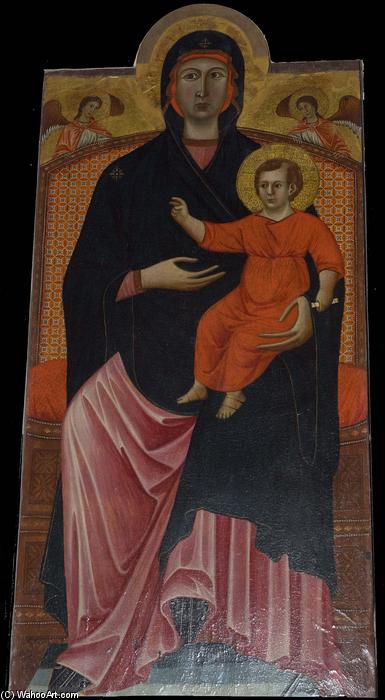
Cimabue’s Virgin and Child exemplifies the enduring impact of Byzantine iconography on Florentine art during his lifetime. Drawing heavily from imperial precedents, particularly those found in churches throughout Constantinople, Cimabue adopted a flattened perspective—a hallmark of Byzantine painting—where figures appear to float against a luminous background rather than occupying realistic space. This technique prioritizes spiritual contemplation over meticulous anatomical accuracy, focusing instead on conveying divine grace and serenity. The artist skillfully utilized tempera paint on panel, applying thin layers of pigment meticulously blended to achieve remarkable luminosity and tonal gradation. These subtle nuances contribute significantly to the painting’s ethereal atmosphere—a deliberate choice designed to evoke feelings of reverence and devotion. Cimabue's mastery of color palettes – dominated by cool blues and golds – further reinforces this Byzantine aesthetic, mirroring the opulent hues favored in imperial churches.
A Symbol of Divine Maternity: Iconographic Significance
The Virgin Mary depicted in Cimabue’s masterpiece embodies the central tenets of Christian theology—specifically, divine motherhood. The crown adorning her head symbolizes her regal status as Queen of Heaven, reflecting the Byzantine tradition of portraying Mary as a celestial figure elevated above earthly concerns. Her serene gaze and gentle posture convey compassion and humility – qualities considered paramount in representing the Virgin’s role as intermediary between God and humanity. The infant Jesus cradled in her arms represents Christ incarnate—the divine Logos made flesh—and symbolizes redemption and salvation. These symbolic elements resonate deeply within the viewer, prompting reflection on themes of faith, purity, and grace—concepts central to Byzantine spirituality.
Historical Context: Florence Embraces Innovation
Cimabue’s work emerged during a period of significant artistic transformation in Florence. While Byzantine influence remained strong throughout the city's artistic landscape, Cimabue’s daring stylistic choices signaled a nascent desire for greater naturalism and expressive dynamism—traits that would soon characterize the burgeoning Renaissance movement. His paintings served as inspiration for younger artists like Giotto di Bondone, who skillfully incorporated Byzantine techniques into his own compositions while simultaneously striving to depict human figures with unprecedented realism. Cimabue’s legacy extends beyond stylistic imitation; he fostered a spirit of experimentation and encouraged artists to push boundaries—a crucial catalyst in shaping the artistic trajectory of Florence and ultimately influencing the entire European art world.
Emotional Resonance: Capturing Sacred Beauty
Ultimately, Cimabue's Virgin and Child transcends mere visual representation, achieving profound emotional resonance. The painting’s luminous colors, delicate brushstrokes, and harmonious composition evoke a sense of tranquility and spiritual contemplation—capturing the essence of Byzantine piety. It speaks to the viewer’s deepest aspirations for beauty, goodness, and divine grace—a testament to Cimabue's ability to translate theological concepts into compelling artistic expression. Reproductions of this iconic artwork continue to inspire artists and collectors alike, ensuring that Cimabue’s contribution to Western art history remains vividly alive for generations to come.