Oscar-Claude Monet (1840–1926) revolutionized painting with his Impressionist style, prioritizing observation and capturing the ephemeral qualities of light.
Explore the world of Claude Monet, the Impressionist master renowned for capturing fleeting light and color through iconic landscapes like Water Lilies & Haystacks.
Explore The Metropolitan Museum of Art: 5,000 years of art from around the world! Discover masterpieces, ancient artifacts & immersive exhibitions – a global art destination awaits.
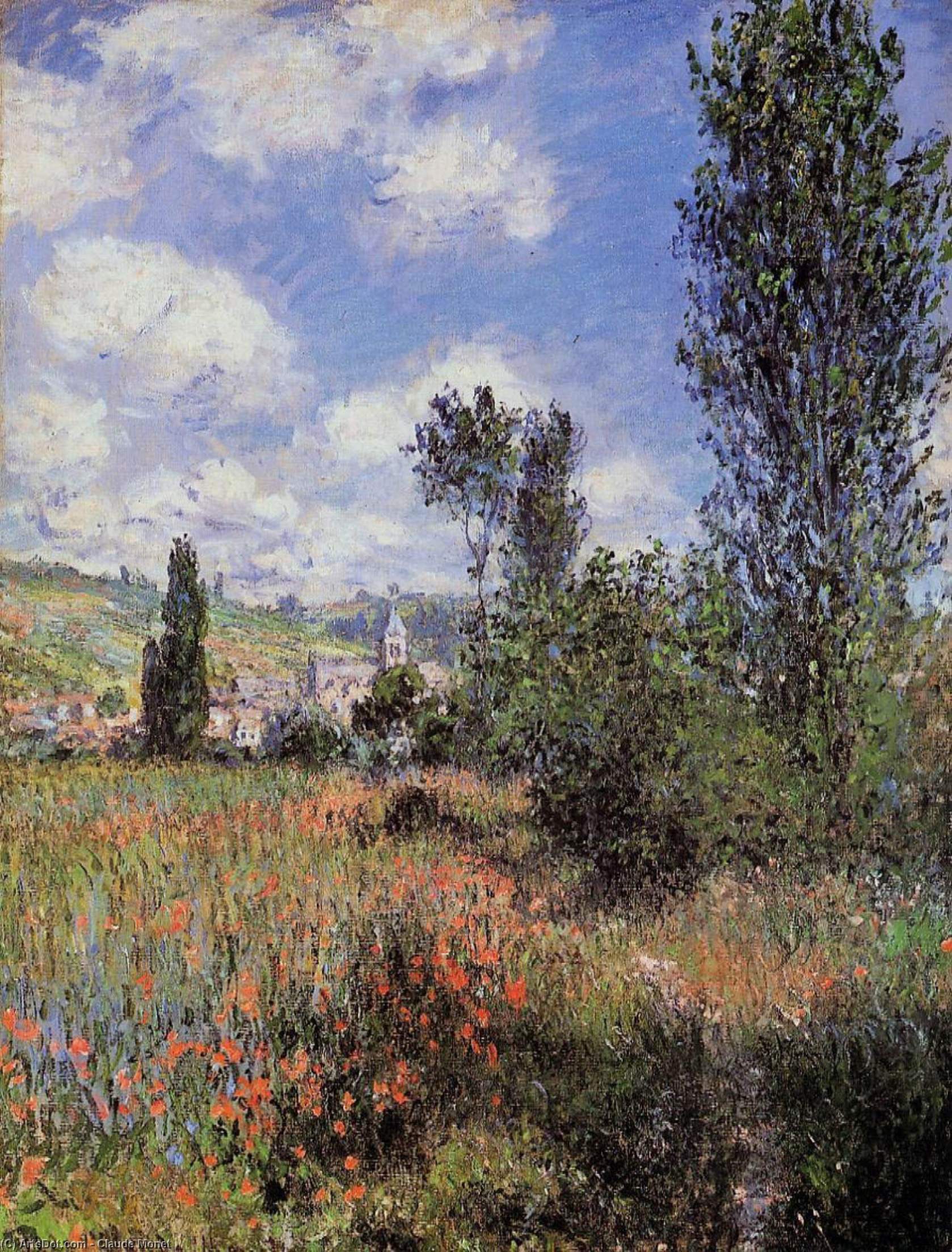
Lane in the Poppy Fields, Ile Saint-Martin – A Symphony of Light and Impression
Claude Monet’s “Lane in the Poppy Fields, Ile Saint-Martin” isn't merely a depiction of a rural scene; it’s an embodiment of Impressionism itself—a movement that sought to capture not just what the eye sees but how it *feels*. Painted in 1880 during his prolific period exploring the landscapes of Normandy, this artwork stands as a cornerstone of Monet’s artistic legacy and exemplifies his revolutionary approach to painting.
Composition and Observation
The canvas presents a tranquil meadow bathed in dappled sunlight, dominated by towering trees that frame the vista. Monet's genius lay in prioritizing direct observation—the *plein air* method—rejecting academic conventions favoring meticulous detail. He eschewed precise shading and blending, opting instead for loose brushstrokes of color to convey the ephemeral qualities of light and atmosphere. Notice how the artist skillfully utilizes complementary colors – blues and oranges – to heighten visual impact and create a sense of vibrancy. Scattered figures add human scale to the landscape, subtly hinting at the beauty of everyday life intertwined with nature’s grandeur. Two dogs playfully roam amongst the poppies, capturing a moment of carefree joy within this idyllic setting.
Monet's Innovative Series Technique
What truly distinguishes Monet from his contemporaries was his dedication to the “Series paintings,” a technique he pioneered and perfected throughout his career. Unlike traditional artists who focused on single subjects rendered in meticulous detail, Monet revisited themes repeatedly over time—haystacks, water lilies, Rouen cathedrals—allowing him to document subtle shifts in light and weather conditions. This methodical approach wasn’t simply about repetition; it was about unlocking the transformative power of color and texture as they responded to changing environmental factors. As Daniel Wildenstein meticulously catalogued Monet's output – nearly 2000 paintings – this systematic exploration solidified his position as one of art history’s most influential figures.
Historical Significance and Artistic Influence
“Lane in the Poppy Fields” resonates deeply within the broader context of Impressionism, which emerged as a reaction against Romantic idealism. Artists like Monet challenged established artistic dogma, prioritizing subjective experience over objective representation. The painting's influence extends far beyond its immediate aesthetic appeal; it paved the way for subsequent movements such as Post-Impressionism and Fauvism, inspiring artists to experiment with bolder colors and expressive brushwork. Its inclusion in museums worldwide—particularly the Metropolitan Museum of Art in New York—testifies to its enduring artistic merit and its ability to captivate audiences across generations.
Symbolism and Emotional Resonance
Beyond its visual beauty, “Lane in the Poppy Fields” carries symbolic weight. The poppies themselves represent remembrance and mourning – a poignant reminder of the Franco-Prussian War’s aftermath, reflecting Monet's personal grief following the death of his wife Camille Morisot. Yet, amidst this solemn undertone, there is an undeniable celebration of life—the vibrancy of color, the warmth of sunlight, and the playful energy of animals. The painting evokes a profound sense of tranquility and nostalgia, inviting viewers to contemplate the fleeting beauty of nature and the passage of time. It’s a testament to Monet's ability to transform observation into emotion – capturing not just what he saw but how it made him *feel*.