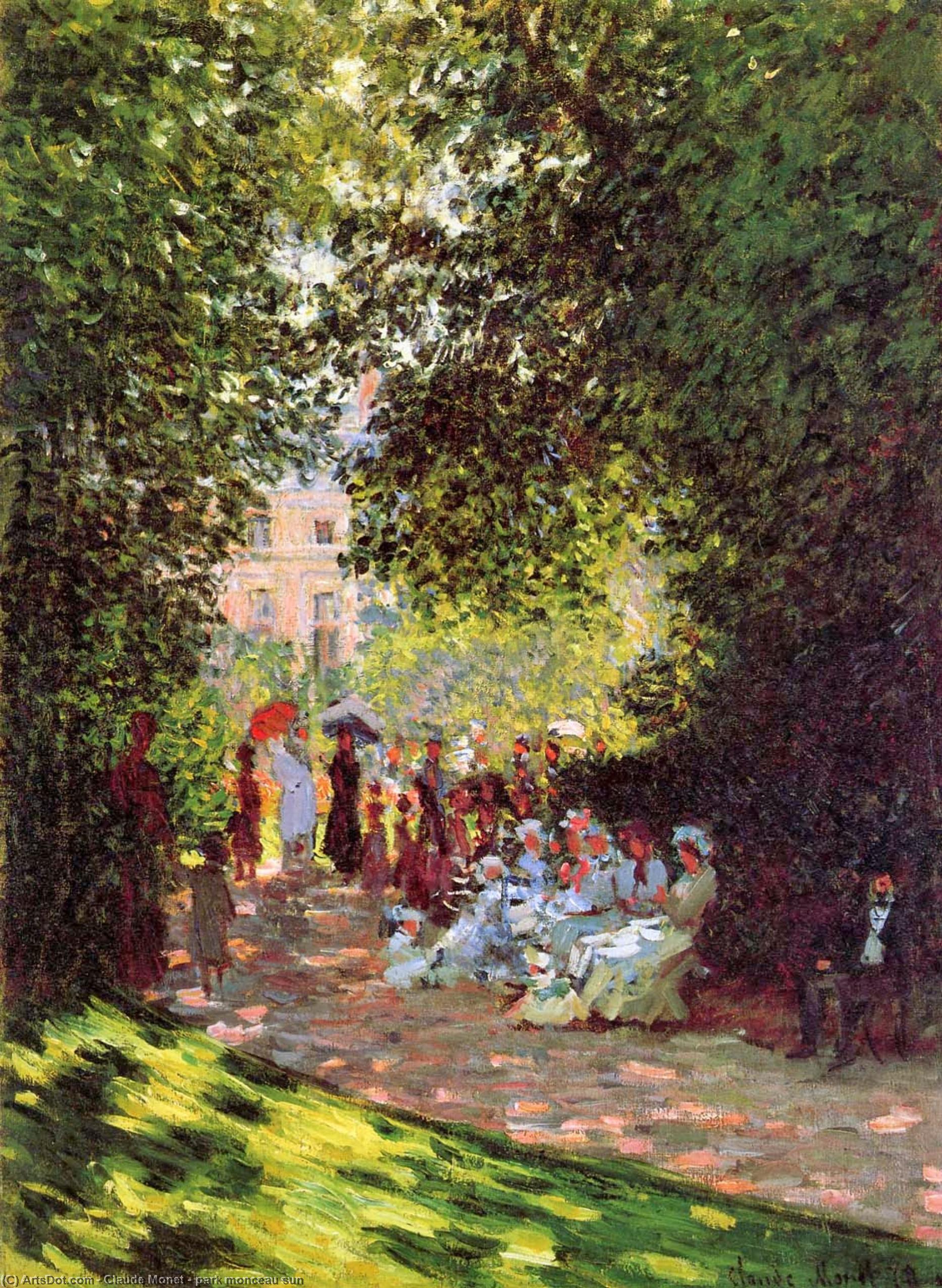
A Snapshot of Parisian Leisure: Claude Monet’s ‘Park Monceau’
Claude Monet's “Park Monceau,” painted in 1878, isn’t merely a depiction of a Parisian garden; it’s an embodiment of Impressionism’s core philosophy – capturing the fleeting beauty of a moment in time. Situated on the boulevard de Courcelles, this park was conceived as an English landscape during the late eighteenth century, representing a deliberate contrast to the formal grandeur of Versailles and embodying the burgeoning desire for naturalistic aesthetics within Parisian society. Monet skillfully rendered this tranquil scene using loose brushstrokes and vibrant hues, prioritizing light and color over precise detail—a hallmark of his artistic approach and a direct response to the revolutionary ideas championed by artists like Boudin.
- Subject Matter: The painting focuses on a group of individuals enjoying a sunny afternoon in Park Monceau. Women dressed in elegant dresses and adorned with hats populate the benches, creating an intimate tableau of Parisian life.
- Style & Technique: Monet’s Impressionistic style is immediately apparent. He employs rapid brushstrokes—often visible to the naked eye—to blend colors seamlessly, simulating the way light refracts through foliage and illuminates skin tones. The palette leans heavily towards greens, yellows, and blues, reflecting the dominant hues of the park environment.
- Historical Context: Painted during the height of Impressionism’s popularity, “Park Monceau” reflects the broader cultural shift toward valuing sensory experience and capturing subjective impressions. It aligns perfectly with Boudin's influence on Monet, who embraced plein air painting as a method for achieving this goal.
Symbolism & Emotional Impact:
The inclusion of umbrellas isn’t just functional; it symbolizes protection from the sun and adds to the overall sense of serenity. More profoundly, Monet's depiction conveys an atmosphere of peaceful contemplation—a celebration of simple pleasures and a testament to the transformative power of natural beauty. The painting invites viewers to pause and appreciate the ephemeral quality of light and color, mirroring Monet’s own artistic quest for capturing the essence of experience.
Detailed Examination: Monet's Brushwork & Color Palette
Monet’s technique is particularly noteworthy. He utilized a layering process—often referred to as “broken color”—where he applied thin washes of pigment alongside thicker strokes, allowing colors to mingle and create luminous effects. Observe how the artist captures the dappled sunlight filtering through the trees; individual brushstrokes are blended together to produce an illusion of shimmering light, demonstrating Monet’s masterful control over texture and luminosity. The dominant greens and yellows convey warmth and vibrancy, while subtle blues contribute depth and coolness—a harmonious blend that exemplifies Impressionism's commitment to representing visual perception.
Replicas & Interior Design Considerations
A high-quality reproduction of “Park Monceau” can bring a touch of Parisian elegance into any interior space. ArtsDot offers exceptional reproductions crafted with archival inks on premium canvas, ensuring that the artwork’s vibrancy and detail endure for generations. Consider framing it in a neutral tone to complement its delicate palette—allowing Monet's masterful depiction of light and color to remain at the forefront.