Claude Monet's "Rue Montorgueil, Paris, Festival of June 30, 1878": A Vibrant Impression
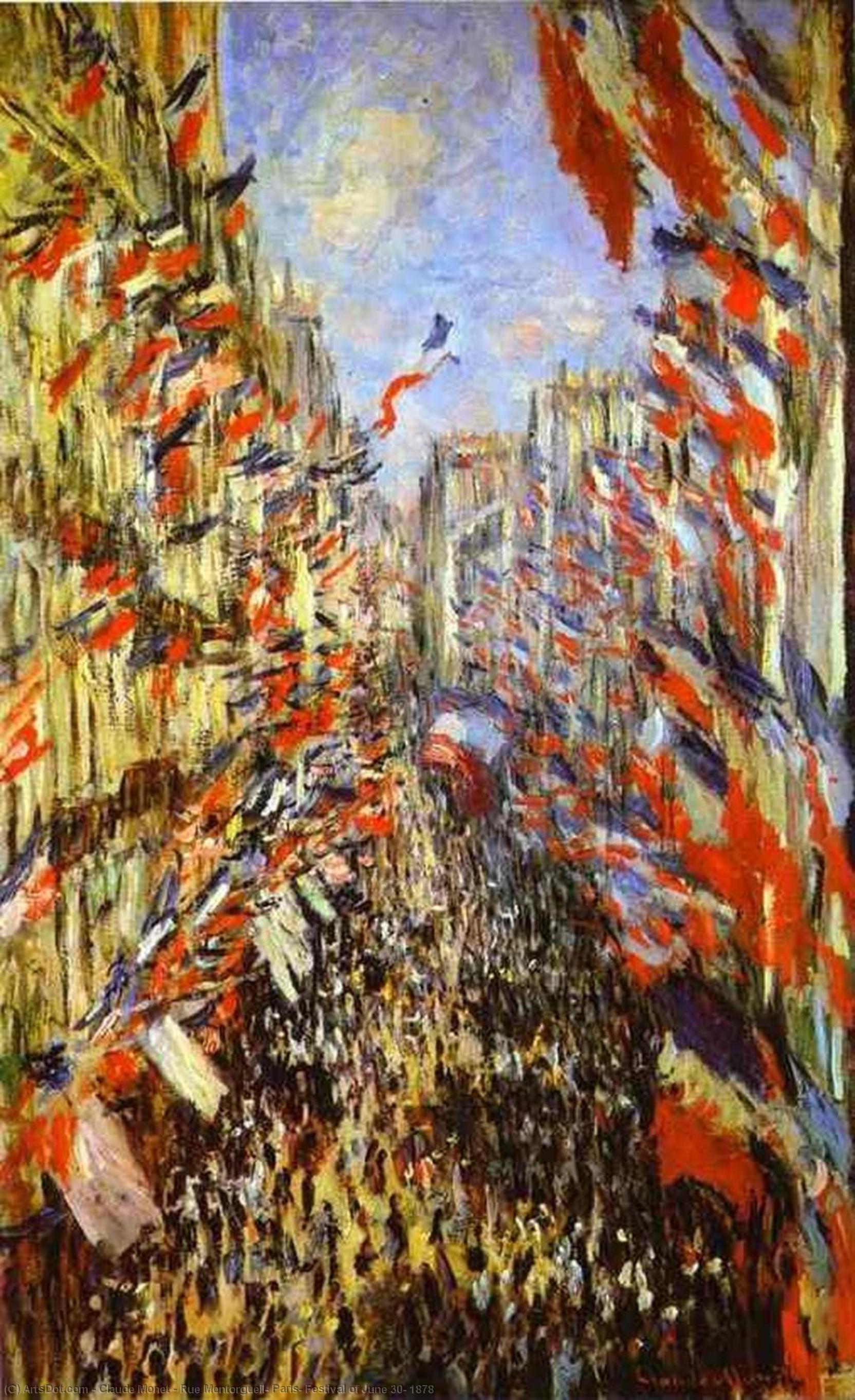
Claude Monet’s “Rue Montorgueil, Paris, Festival of June 30, 1878” is a quintessential example of Impressionist art. Created in 1878, this oil on canvas piece captures the vibrant atmosphere of a street festival in Paris. The painting is characterized by its bold brushstrokes and vivid colors, which evoke a sense of energy and movement.
Background and Inspiration
The painting was inspired by a government-organized festival celebrating "peace and work" after the defeat of France in 1870. Claude Monet was drawn to the colorful flags and banners that adorned the streets, and he set out to capture the scene on canvas. The result is a masterpiece that showcases the artist's unique style and technique.
Key Features and Symbolism
The painting features a bustling street scene, with people milling about and flags waving in the wind. The colors used are bold and vibrant, with a focus on blues, reds, and whites. These colors were significant, as they represented the French flag and symbolized patriotism and national pride.
- The painting measures 81 x 50 cm and is housed at the Musée d'Orsay in Paris.
- Claude Monet was a leading figure in the Impressionist movement, and his paintings continue to be celebrated for their beauty and historical significance.
- For more information on Claude Monet and his works, visit /art/list/?Filter=Claude-Monet.
A Moment in Time
“Rue Montorgueil, Paris, Festival of June 30, 1878” is a testament to the enduring power of art to capture the spirit of a moment in time, and its beauty continues to inspire and delight audiences today. The painting's vibrant colors and bold brushstrokes evoke a sense of energy and movement, while its historical significance adds depth and context to the scene.