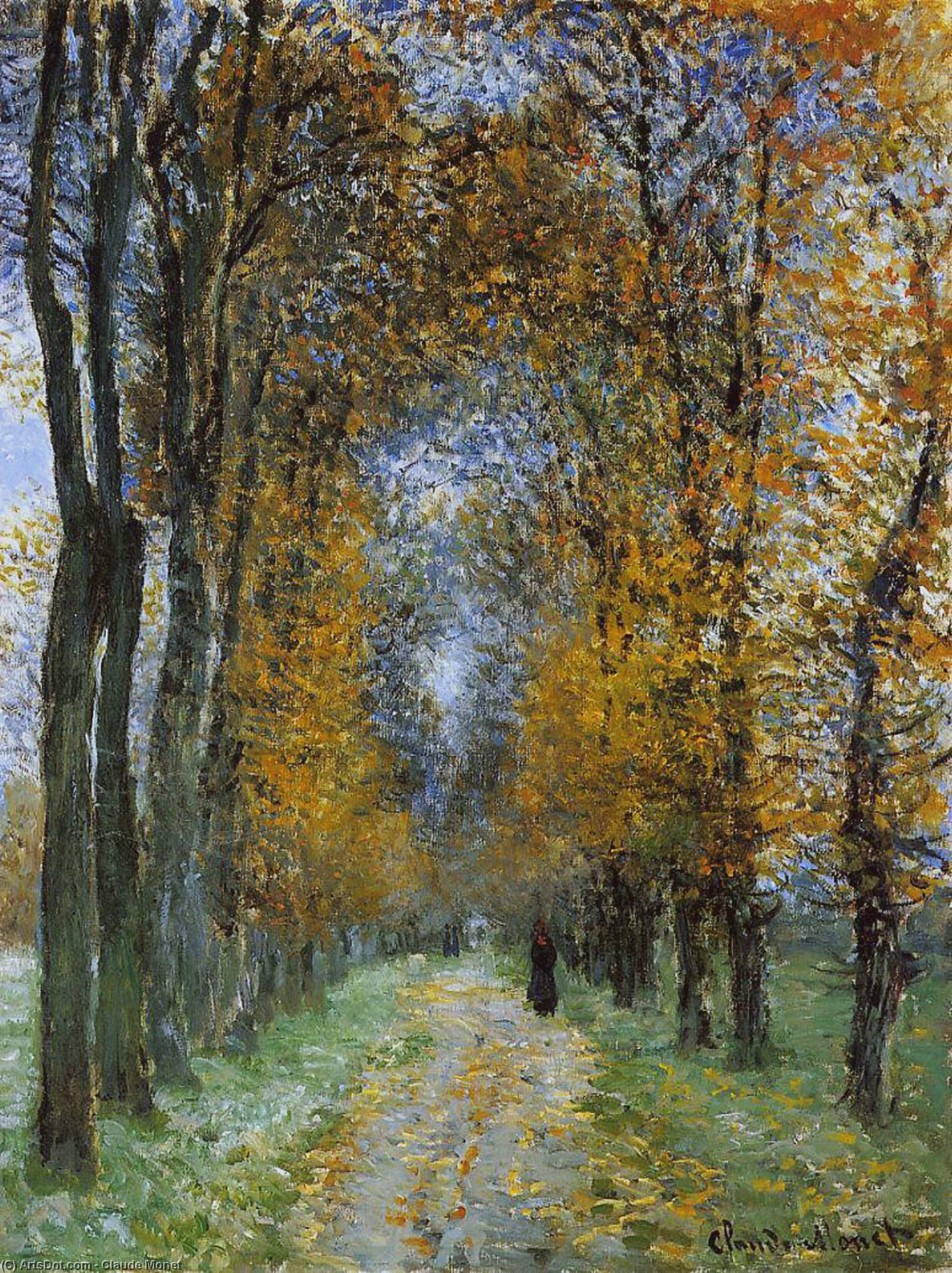
The Avenue: A Symphony of Autumn Light
Claude Monet, one of the most renowned artists of the Impressionist movement, created a masterpiece titled
The Avenue in 1878. This painting is a beautiful representation of a tree-lined path in autumn, showcasing the vibrant colors and serene atmosphere that are characteristic of Monet’s work. It captures not just a visual scene but also an emotional response to nature's fleeting beauty—a core tenet of Impressionism itself.
Artistic Style and Technique
Monet was known for his innovative approach to capturing light and color. In
The Avenue, he employed his signature Impressionist style, using short, broken brushstrokes and vivid colors to depict the scene. The painting is dominated by shades of orange, which reflect the autumnal foliage. These aren’t blended hues but rather individual strokes of pigment laid side-by-side—a technique designed to mimic how light actually affects our perception. Monet meticulously observed the subtleties of color variations throughout the day, striving to convey this dynamism on canvas. The loose brushwork contributes to a sense of movement and immediacy, inviting viewers into the very moment captured by the artist.
Composition and Elements
The composition of
The Avenue is carefully balanced, with the trees forming a natural frame for the path. This framing device draws attention to the central subject—a woman walking down the path—adding a sense of human presence and activity to the tranquil setting. The artist skillfully uses perspective to create depth, guiding the eye from foreground to background. Notice how Monet’s use of light and shadow enhances the three-dimensional effect, drawing the viewer into the scene and emphasizing the warmth of the autumnal colors. Scattered throughout the painting are other figures—perhaps enjoying a leisurely stroll—further enriching the visual narrative.
Context and Significance
The Avenue is part of Monet’s extensive body of work that captures the beauty of nature. His paintings often featured landscapes and outdoor scenes, reflecting his profound love for the natural world—a passion deeply rooted in his upbringing in Normandy. This particular piece is significant because it showcases Monet's ability to capture the fleeting moments of light and color in a rapidly changing environment. It exemplifies Impressionism’s core belief that art should strive to represent not just what we see but how we *feel* when confronted with nature’s splendor.
Museum Collections
The Kunstmuseum Winterthur in Switzerland houses an impressive collection of Impressionist and post-Impressionist art, offering visitors a chance to experience Monet's influence firsthand. For more information about Winterthur and its artistic holdings, visit
Kunstmuseum Winterthur. Exploring this museum provides invaluable insight into the broader context of Monet’s artistic legacy.