A Symphony of Light and Reflection: Exploring Claude Monet’s “Water Lilies (39)”
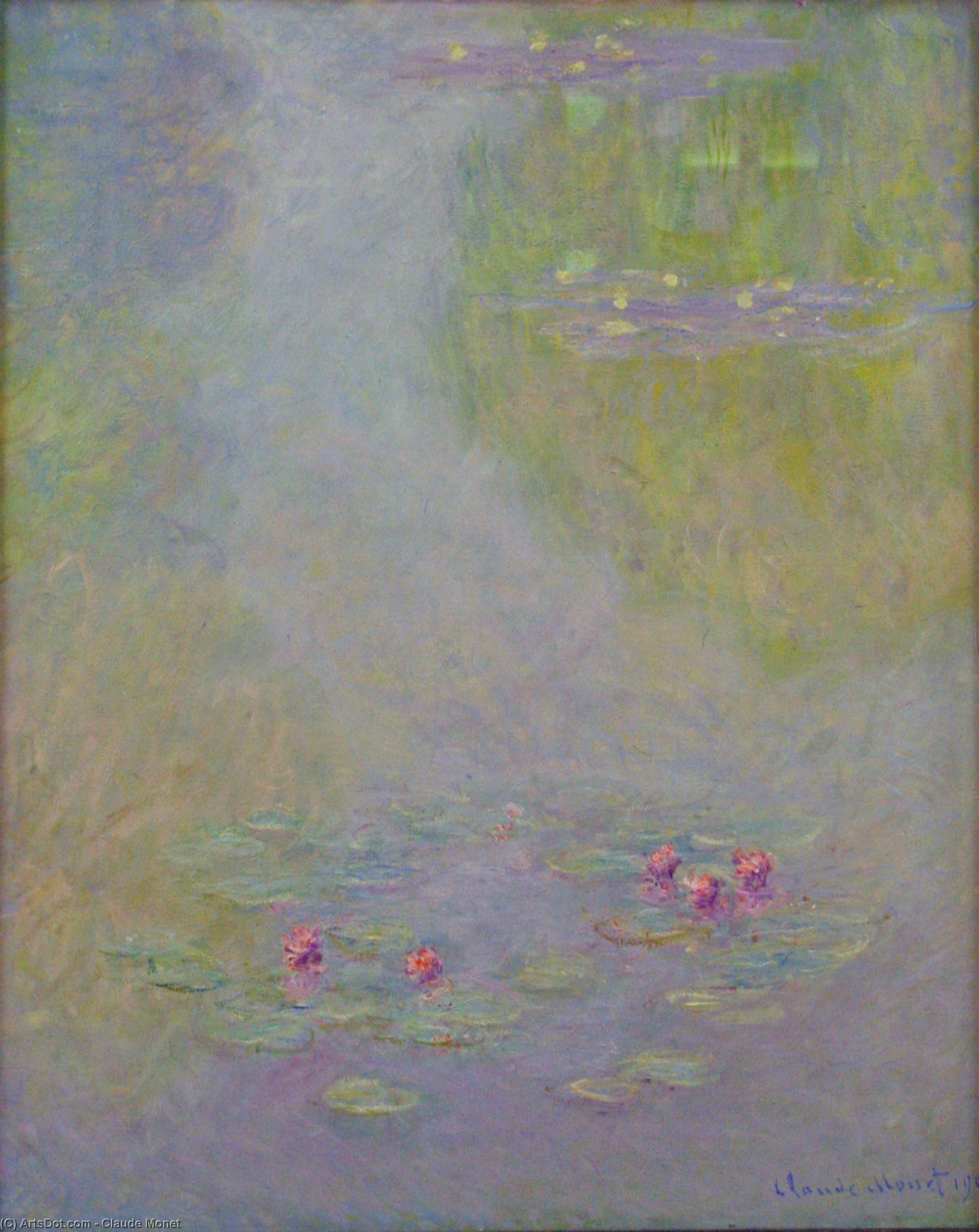
Claude Monet's "Water Lilies (39)" isn’t merely a painting; it’s an immersion, a portal into the heart of Impressionism. Created between 1914 and 1917 during his later years at Giverny, this monumental work transcends the boundaries of landscape art, becoming a meditation on light, color, and the ephemeral beauty of nature. More than just depicting a pond, Monet captures an atmosphere—a shimmering, dreamlike state where reality blurs with reflection and perception. The painting’s scale – typically around 39 x 39 inches – invites viewers to lose themselves within its depths, mirroring the artist's own fascination with capturing fleeting moments of light and color.
Monet’s genius lay in his ability to translate the subjective experience of seeing onto canvas. “Water Lilies (39)” exemplifies this perfectly. He abandoned traditional perspective, opting instead for a flattened space where the boundaries between water, sky, and foliage dissolve into a harmonious blend. The brushstrokes are loose, almost shimmering, creating an effect of diffused light—a hallmark of Impressionism. Notice how Monet doesn’t meticulously render every detail; rather, he focuses on capturing the *impression* of the scene – the way sunlight dances upon the water's surface, the subtle shifts in color as reflections change with the movement of clouds. This deliberate ambiguity is key to the painting’s enduring appeal.
The Garden of Giverny: A World Constructed for Art
To fully appreciate “Water Lilies (39),” it’s essential to understand its context within Monet's life and his meticulously crafted garden at Giverny. After moving to the property in 1883, he embarked on a decades-long project of transforming it into an idealized landscape—a sanctuary dedicated entirely to artistic inspiration. The pond itself was created by diverting a tributary of the Epte River, becoming a carefully designed environment for observing and painting the effects of light and water. The surrounding flower garden, with its meticulously arranged beds of color, provided a constantly evolving backdrop for his work. “Water Lilies (39)” is therefore not simply a depiction of a natural scene; it’s a product of this deliberate artistic creation, a culmination of years spent observing and experimenting.
Decoding the Palette: Color as Emotion
Monet's masterful use of color is central to the painting’s emotional impact. He employs a rich, harmonious palette dominated by blues, greens, and pinks—colors that evoke both tranquility and vibrancy. The subtle shifts in hue create a sense of movement and depth, drawing the eye across the canvas. Observe how he uses lavender and rose tones to capture the reflections of the sky, while deeper blues suggest the depths of the water. It’s not about replicating reality with photographic accuracy; it's about conveying *feeling* through color—a testament to Monet’s belief that art should be an expression of personal perception.
A Legacy of Impressionism: Reproductions and Beyond
At ArtsDot.com, we are proud to offer meticulously crafted oil painting reproductions of “Water Lilies (39)” – a chance to bring this iconic masterpiece into your home or office. Our skilled artists painstakingly recreate every detail, utilizing museum-quality materials and techniques to ensure that the reproduction captures the essence of Monet’s original vision. Beyond simply replicating the image, we aim to evoke the same sense of wonder and tranquility that the painting inspires. Consider exploring other works by Claude Monet, such as “Water Lilies (12)” or “Water Lilies 14,” available through our gallery, or visiting the Musée Marmottan Monet in Paris to experience these works firsthand. Discover the beauty of Impressionism with a handmade oil painting reproduction of “Water Lilies (39)” – a timeless piece that speaks to the enduring power of art and nature.
For more information on Claude Monet and his artistic journey, you can also explore Top 10 Famous Impressionist Artists of All Time.