A Serene Escape: Delving into Monet’s *Water-Lilies (53)*
Claude Monet's *Water-Lilies (53)*, painted in 1908, is more than just a depiction of a garden pond; it’s an invitation to immerse oneself in the tranquil beauty of nature. This captivating work exemplifies Monet’s lifelong dedication to capturing the fleeting effects of light and atmosphere, solidifying his place as a pivotal figure in the Impressionist movement.
Subject & Composition: A World Reflected
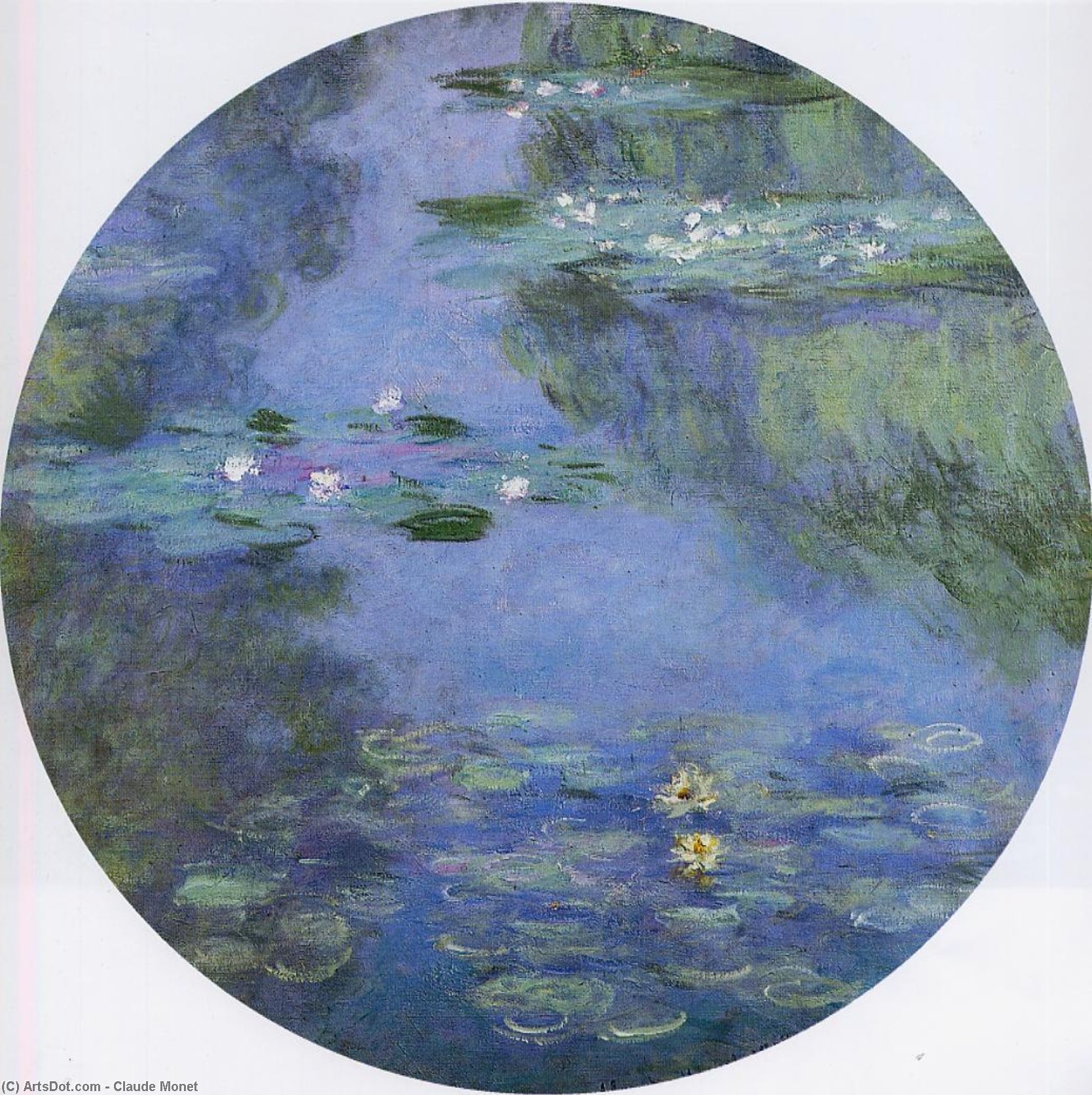
The painting presents a close-up view of Monet's beloved water lily pond at Giverny. White and pale pink water lilies float serenely on the surface, interspersed with vibrant green leaves. The water itself is not merely blue but a complex interplay of reflected sky, foliage, and light, creating an almost abstract field of color. The composition lacks a traditional horizon line, drawing the viewer into the scene and fostering a sense of boundless space.
Impressionistic Technique: Capturing the Ephemeral
Monet’s technique in *Water-Lilies (53)* is quintessentially Impressionistic. He employed short, broken brushstrokes – visible upon close inspection – to build up layers of color and texture. This approach wasn't about precise representation but rather about conveying the impression of light and movement. The colors are not mixed on the palette but blended optically by the viewer’s eye, resulting in a luminous and vibrant surface. This technique allows for a sense of immediacy, as if witnessing the scene unfold in real-time.
Historical Context: The Giverny Years
By 1908, Monet had fully embraced his garden at Giverny as both his sanctuary and his primary subject. After years of painting *en plein air* (outdoors), he began to create these expansive water lily compositions, which would occupy him for the remainder of his life. This period marked a shift towards increasingly abstract explorations of color and light, foreshadowing many developments in 20th-century art. The garden itself was meticulously designed by Monet, reflecting his artistic vision and providing endless inspiration.
Symbolism & Emotional Impact: Peace and Reflection
Water lilies have long been associated with purity, enlightenment, and rebirth. In Monet’s hands, they become symbols of peace, tranquility, and the restorative power of nature. The painting evokes a sense of calm contemplation, inviting viewers to escape the stresses of modern life and find solace in the beauty of the natural world. The lack of defined forms encourages introspection and allows for personal interpretation.
A Timeless Masterpiece for Your Space
- For Art Lovers: A quintessential example of Impressionism, *Water-Lilies (53)* is a must-have for any collection celebrating the beauty and innovation of 19th-century art.
- For Collectors: As part of Monet’s iconic series, this work represents a significant investment in a historically important and highly sought-after artist.
- For Interior Designers: The serene color palette and calming composition make *Water-Lilies (53)* an ideal focal point for bedrooms, living rooms, or meditation spaces. Its soft hues complement a variety of décor styles, adding a touch of elegance and sophistication to any interior.
Experience the enduring beauty of Monet’s Water Lilies – a timeless masterpiece that continues to inspire awe and wonder.