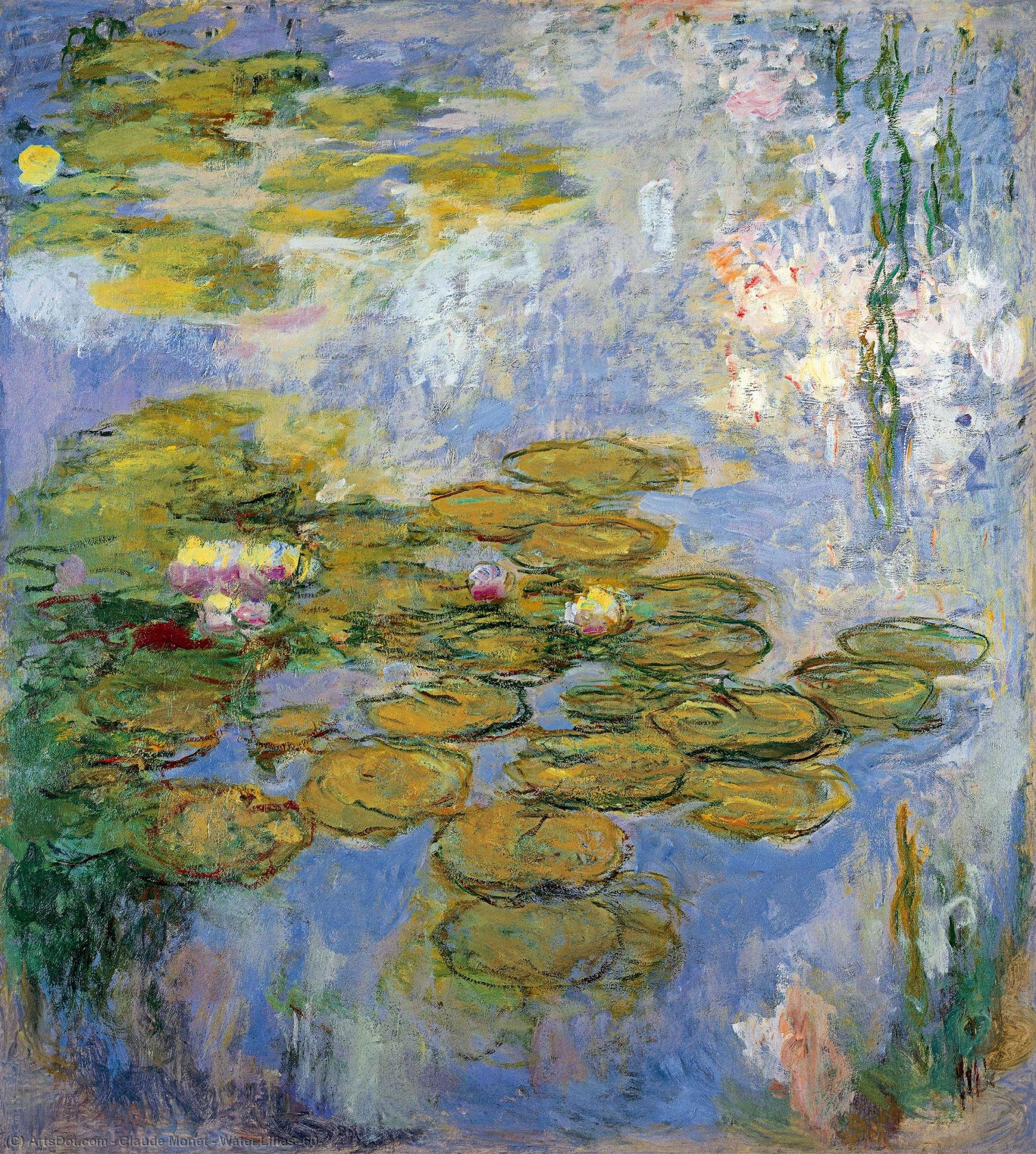
The Serene World Within: Exploring Claude Monet’s Water Lilies
Claude Monet, a name synonymous with Impressionism, wasn't merely a painter; he was an explorer of light and feeling. His *Water Lilies* series – a monumental undertaking spanning decades – represents the culmination of his lifelong fascination with nature, particularly the tranquil beauty of his own garden pond at Giverny. More than just depictions of flowers floating on water, these paintings are portals to a meditative state, capturing not just visual reality but also the ephemeral quality of perception itself. Monet’s genius lay in his ability to translate the fleeting effects of sunlight and atmosphere onto canvas, creating an immersive experience for the viewer that transcends simple representation. The series began in 1897, driven by a desire to document and celebrate this personal sanctuary – a space where he could lose himself in the rhythms of nature and, ultimately, capture its essence with unparalleled sensitivity.
Inspiration Rooted in Giverny
The genesis of the *Water Lilies* series is inextricably linked to Monet’s meticulously cultivated garden at Giverny. He wasn't simply observing a pond; he was shaping it – diverting streams, planting water lilies (of course!), weeping willows, and bamboo groves to create an environment perfectly suited for his artistic vision. This deliberate orchestration of nature reflects a deep connection between the artist and his subject matter. The garden became a laboratory for light and color, a constantly shifting stage upon which Monet could experiment with brushstrokes and hues, striving to capture the ever-changing interplay of reflections, shadows, and atmosphere. It’s crucial to understand that these weren't painted from memory; they were painstakingly rendered observations, each canvas a testament to countless hours spent immersed in this idyllic setting. The Japanese bridge, a deliberate element introduced by Monet, serves as a focal point, grounding the compositions and offering a subtle human presence within the vastness of nature.
A Dance of Light and Color: Monet’s Technique
Monet's technique is instantly recognizable – a vibrant explosion of broken brushstrokes applied in short, rapid movements. He abandoned traditional blending methods, instead layering colors directly onto the canvas to create an effect of shimmering light and diffused tones. This approach, characteristic of Impressionism, aimed to capture the *impression* of a scene rather than a photographic likeness. The *Water Lilies* paintings are particularly remarkable for their use of complementary colors – blues and oranges, greens and reds – which intensify each other and contribute to the overall luminosity. Notice how Monet doesn’t attempt to define edges; instead, he allows forms to dissolve into the surrounding atmosphere, creating a sense of depth and movement. The reflections on the water's surface are rendered with an astonishing degree of detail, mirroring the sky and surrounding foliage with breathtaking accuracy. It is this mastery of capturing transient effects that elevates these paintings beyond mere botanical studies.
Symbolism and Emotional Resonance
Beyond their technical brilliance, the *Water Lilies* series carries profound symbolic weight. The water lilies themselves represent purity, rebirth, and the cyclical nature of life – themes deeply resonant with Monet’s own personal experiences, including his struggles with illness and loss. The paintings evoke a sense of tranquility, serenity, and contemplation, inviting viewers to escape the pressures of modern life and immerse themselves in the beauty of the natural world. There's an almost dreamlike quality to these works, as if they were glimpses into another realm – a space where time stands still and the soul finds solace. The large scale of many of these canvases further enhances this immersive effect, enveloping the viewer in a sea of color and light. They are not simply beautiful paintings; they are invitations to experience a profound connection with nature and with oneself.
Experience the beauty of Claude Monet’s “Water Lilies” series through hand-made oil painting reproductions available at ArtsDot.com. Visit Claude Monet: Water Lilies (60) to explore more of his works and learn about the artist who revolutionized Impressionist painting.