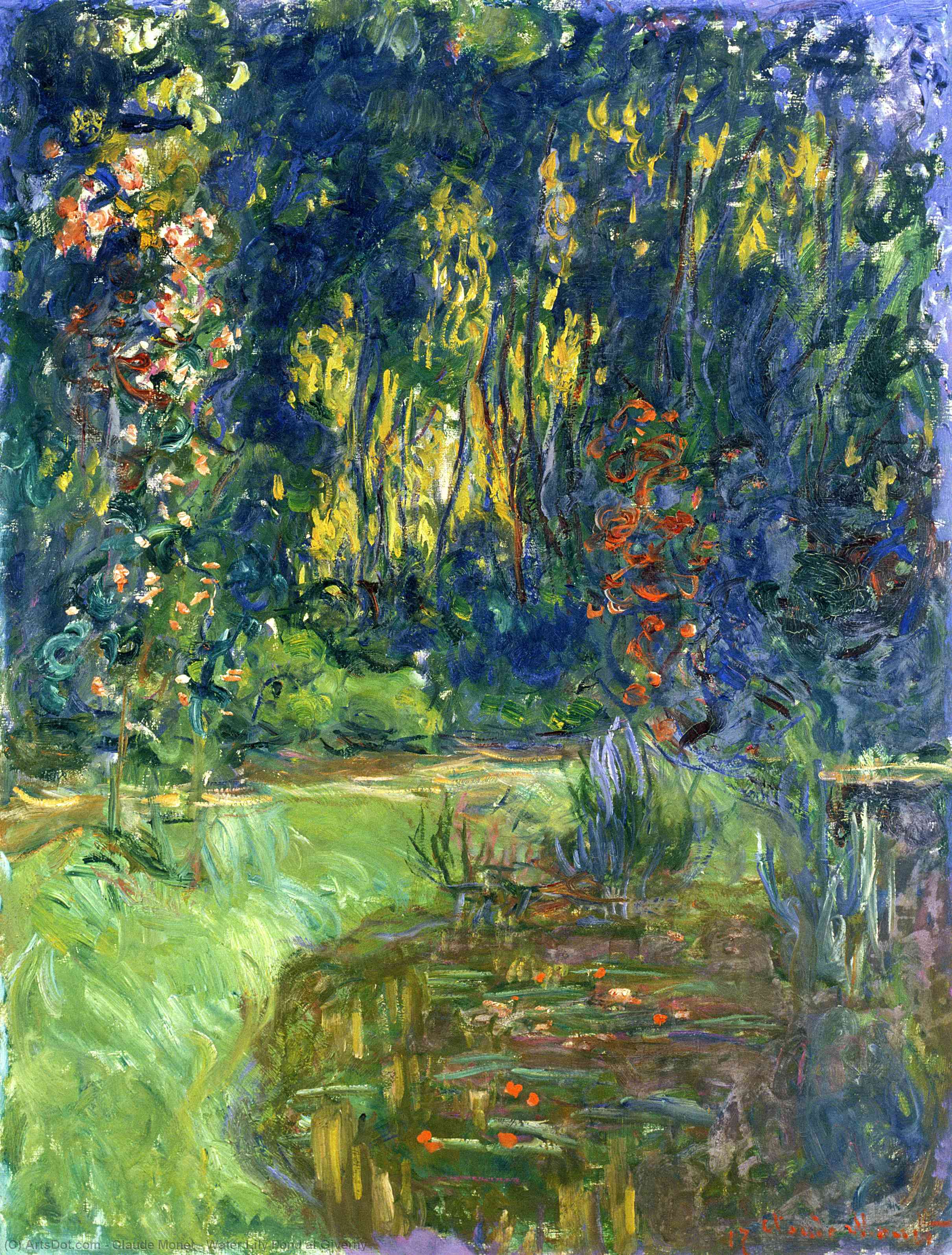
Water Lily Pond at Giverny: A Symphony of Light and Impression
Claude Monet’s *Water Lily Pond* (1919) isn't merely a depiction of a garden; it’s an embodiment of the Impressionist ethos—a fervent pursuit of capturing fleeting moments of beauty and emotion through light and color. Created during Monet’s twilight years at Giverny, his beloved estate near Paris, this monumental canvas transcends mere representation, inviting viewers into a meditative realm where stillness speaks volumes about the transformative power of nature.
The Artist's Vision: Embracing Ephemeral Beauty
Monet’s fascination with light was central to his artistic philosophy and profoundly influenced *Water Lily Pond*. Having painstakingly crafted his garden—a deliberate experiment in creating an environment conducive to artistic inspiration—he sought to translate its ever-changing atmosphere onto canvas. Unlike traditional painters who aimed for precise detail, Monet prioritized conveying the sensation of seeing, prioritizing color palettes that mirrored the nuances of sunlight filtering through foliage and reflecting off the pond’s surface. This approach aligns perfectly with Impressionism's core belief: art should not strive to reproduce reality but rather to evoke its essence. The garden itself served as a catalyst for artistic exploration, prompting Monet to revisit themes he had begun to develop decades earlier.
Composition and Technique: Mastering Plein Air Painting
The painting’s composition is deceptively simple yet remarkably effective. Monet skillfully arranges the lily pads—a multitude of blooms in shades ranging from creamy whites to vibrant yellows—across the expanse of the canvas, creating a dynamic interplay between horizontal bands of foliage and shimmering reflections on the water. His technique – *plein air* painting – demanded immediate responsiveness to changing conditions. Using loose brushstrokes and layering colors wet-on-wet, Monet captured the ephemeral quality of light as it danced across the pond’s surface, producing hazy, luminous effects that are characteristic of Impressionism. The subtle gradations of color and texture contribute to a palpable sense of depth and tranquility, transporting the viewer into Monet's immersive experience.
Historical Context: A Legacy of Innovation
*Water Lily Pond* stands as a culmination of Monet’s lifelong dedication to Impressionist principles—a movement that challenged academic conventions and championed subjective perception. Exhibited alongside his other water lily paintings at the Musée de l’Orangerie in Paris, it cemented Monet's position as one of the most influential artists of the late 19th century. The painting reflects the broader cultural shift toward valuing sensory experience and capturing the beauty of everyday life—a reaction against the rigid formalism of Romanticism. Its enduring appeal lies not only in its aesthetic qualities but also in its embodiment of a revolutionary artistic vision.
Symbolism: Reflections of Inner Peace
Beyond its visual splendor, *Water Lily Pond* resonates with deeper symbolic meanings. The lily pond itself represents serenity and contemplation—a space for observing the natural world without judgment or intrusion. Monet’s meticulous attention to detail—the individual blossoms, the ripples on the water, the reflections in the trees—suggests a desire to capture not just what is seen but also what is felt. Like many Impressionist works, it invites viewers to engage in an emotional dialogue with the artwork, prompting reflection on themes of beauty, stillness, and the passage of time.
- Claude Monet: Water Lily Pond at Giverny
- Claude Monet: Water Lilies (71)
- Claude Monet: Weeping Willow and Water-Lily Pond
These reproductions are available in various sizes and can be ordered on canvas or as prints. They make perfect additions to any art collection or home decor.