Discover Musée Marmottan Monet in Paris! Home to the world’s largest collection of Monet & Impressionist masterpieces, including *Impression, Sunrise*. Explore Morisot, Degas & more in a stunning historic mansion.
Explore the world of Claude Monet, the Impressionist master renowned for capturing fleeting light and color through iconic landscapes like Water Lilies & Haystacks.
A Symphony of Light and Reflection: Decoding Monet’s Watermill at Limetz
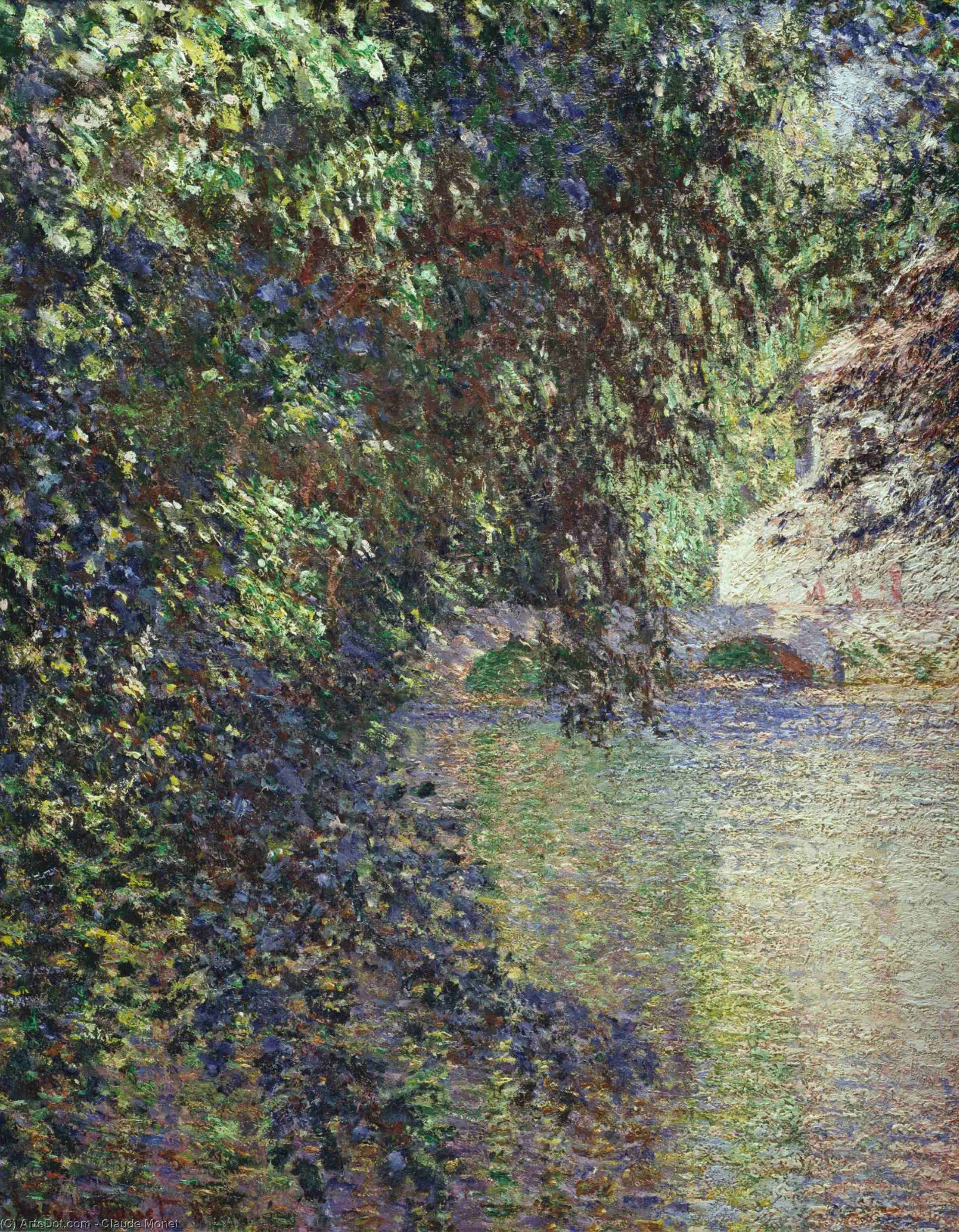
Claude Monet's *Watermill at Limetz*, painted in 1888, isn’t merely a depiction of a riverside scene; it’s an embodiment of Impressionism itself—a movement that sought to capture the fleeting beauty of nature as perceived by the senses. This canvas resides within Musée Marmottan Monet in Paris, offering visitors a chance to immerse themselves in one of the world's most extensive collections of Monet and Impressionist masterpieces alongside luminaries like Morisot and Degas. The mansion’s opulent surroundings serve as a fitting backdrop for contemplating the profound impact of this iconic artwork.
Composition and Observation: Capturing the Moment
The painting immediately draws the eye with its tranquil composition. Monet skillfully arranges elements—a gently flowing river, mature trees flanking its banks, and a modest bridge gracefully spanning across—to create an atmosphere of serene contemplation. Two figures are subtly integrated into the landscape, adding human scale to the grandeur of the natural world. However, what truly distinguishes *Watermill at Limetz* is Monet’s unwavering dedication to portraying light – specifically, how it dances upon the water's surface and illuminates the foliage. He achieves this remarkable feat through short, broken brushstrokes that mimic the way sunlight scatters in reality. This technique isn’t about meticulous detail; rather, it prioritizes conveying an impression of color and luminosity—the very essence of Impressionism.
Technique and Color Palette: Monet's Impressionist Virtuosity
Monet’s mastery extends beyond compositional choices; his brushwork is revolutionary. Using a palette dominated by shades of emerald green, ochre yellow, and cerulean blue, he blends pigments with remarkable fluidity, layering colors to build up tonal variations that subtly shift as the viewer's eye moves across the canvas. The artist deliberately avoids blending colors completely, allowing them to mingle optically—a technique championed by Impressionists like Jean Baptiste Camille Corot who sought to emulate Monet’s style. This approach lends the painting an ethereal quality, mirroring the shimmering reflections of sunlight on the water and enhancing its overall visual richness.
Historical Context: The Dawn of Modern Landscape Painting
Painted during Monet's prolific period in Normandy—a region he revisited repeatedly throughout his life—*Watermill at Limetz* reflects the broader artistic currents of the late 19th century. Impressionism arose as a reaction against academic painting’s emphasis on idealized forms and precise realism, advocating instead for subjective experience and sensory perception. Monet's work aligns perfectly with this ethos, mirroring the burgeoning interest in plein air painting and capturing the spirit of a time marked by scientific advancements and shifting social attitudes. It stands alongside Corot’s paintings as an exemplar of Romanticism’s influence on Impressionist aesthetics.
Emotional Resonance: A Balm for the Soul
Ultimately, *Watermill at Limetz* transcends mere visual representation; it evokes a profound emotional response. The painting's stillness and luminosity invite viewers to pause and contemplate the beauty of the natural world—a sentiment that resonates deeply with audiences today. Consider commissioning a high-quality reproduction from ArtsDot.com – discover the timeless allure of Monet’s vision and bring a touch of Impressionistic serenity into your home!