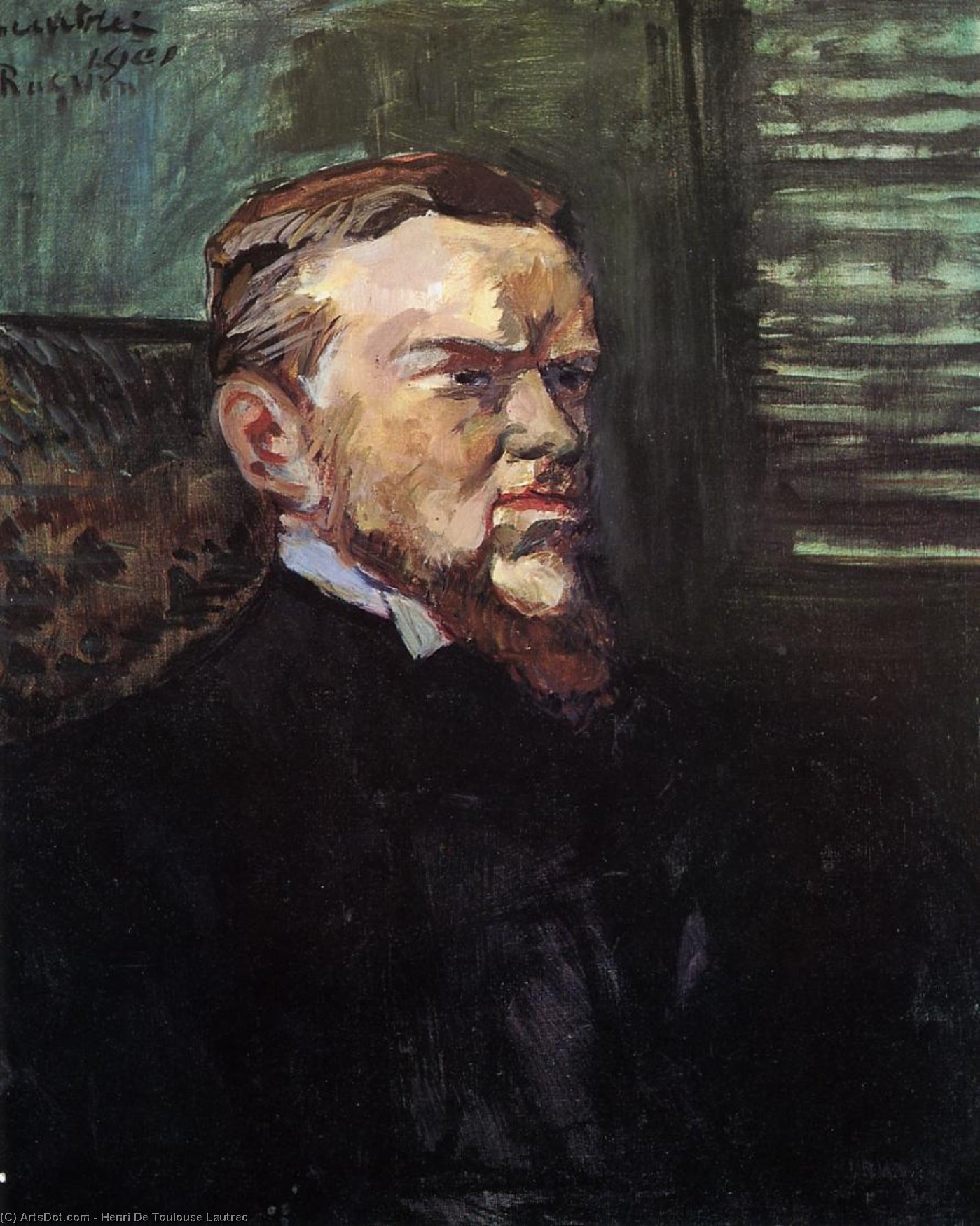
Discover Henri de Toulouse Lautrec’s ‘Portrait of Octave Raquin,’ a captivating post-impressionist masterpiece. Explore its bold style & evocative brushstrokes – a unique art investment.
Discover Toulouse-Lautrec (1864-1901), Post-Impressionist master of Parisian nightlife! Explore iconic paintings, prints & the bohemian world of Montmartre.
Discover MASP São Paulo: an iconic art museum with masterpieces by Renoir, Van Gogh & Brazilian artists, housed in Lina Bo Bardi’s architectural marvel. Explore diverse collections and a vibrant cultural hub!
A Portrait Steeped in Parisian Shadows: Exploring Toulouse Lautrec’s “Portrait of Octave Raquin”
The painting "Portrait of Octave Raquin," executed by Henri de Toulouse-Lautrec in 1901, transcends mere representation; it embodies the spirit of a pivotal moment in artistic history – Post-Impressionism – and captures a poignant glimpse into the soul of its subject. More than just an image on canvas, it’s a testament to Lautrec's singular vision and his ability to distill emotion into form, cementing his place as one of the most distinctive voices of the Belle Époque.
Subject Matter and Composition: A Window Into Montmartre
At first glance, the portrait depicts Octave Raquin, a man rendered with meticulous detail against a backdrop that subtly suggests the smoky intimacy of Montmartre’s bohemian cafes. Lautrec's focus isn’t on grand gesture or dramatic pose but rather on capturing the quiet contemplation of a single individual. The subject sits rigidly in a chair, his gaze averted downwards—a posture indicative not just of physical discomfort but also of inner reflection. This deliberate restraint is countered by the expansive window behind him, flooding the scene with diffused natural light that illuminates Raquin’s face and upper torso, creating an interplay between illumination and shadow that underscores the painting's emotional core. The composition prioritizes visual harmony, utilizing balanced lines and carefully considered placement to draw the viewer’s eye directly to the central figure.
Stylistic Influences: Embracing Impressionism’s Legacy
Toulouse-Lautrec’s style is firmly rooted in the Post-Impressionist movement, a reaction against the academic conventions of its predecessors. Artists like Cézanne and Van Gogh had championed subjective perception and expressive brushwork as pathways to conveying emotion—principles Lautrec wholeheartedly embraced. Unlike Impressionists who sought to capture fleeting moments of light and color, Lautrec employed bold strokes and textured surfaces to imbue his canvases with palpable energy. The visible brushstrokes aren’t merely accidental; they are deliberate choices designed to convey the artist's tactile experience of the subject matter and to communicate a sense of immediacy. Color is used sparingly but powerfully—muted greens and browns dominate the palette, creating an atmosphere of subdued elegance that contrasts sharply with the vibrancy of Montmartre nightlife.
Technique: Impasto and Texture – A Reflection of Inner Turmoil
The painting’s distinctive texture is achieved through Lautrec's masterful use of impasto technique—thickly applied paint that retains its sculptural quality. This method isn’t simply decorative; it serves as a conduit for conveying emotion, mirroring the artist’s own physical limitations and perhaps hinting at an underlying sense of vulnerability. The rough surface of the canvas captures the light in unexpected ways, highlighting contours and creating depth where conventional painting would strive for smoothness. Lautrec's meticulous attention to detail extends beyond mere representation; he strives to capture not just what is seen but also how it feels—a characteristic that distinguishes him from many of his contemporaries.
Symbolism and Emotional Resonance: Beyond Appearance
While seemingly straightforward, “Portrait of Octave Raquin” resonates with subtle symbolic undertones. The averted gaze of the subject speaks volumes about introspection and perhaps unspoken anxieties – a reflection of Lautrec’s own experience as someone grappling with physical disability. The muted color scheme contributes to the painting's melancholic mood, conveying a sense of quiet sorrow amidst the bustling energy of Parisian society. Ultimately, Lautrec invites us to contemplate not just Raquin’s appearance but also his inner life—a feat accomplished through masterful technique and unwavering artistic conviction.
Handmade Oil Painting Reproductions Available: Bringing Toulouse Lautrec's Vision Home
Discover the beauty and artistry of “Portrait of Octave Raquin” with a meticulously crafted handmade oil painting reproduction from ArtsDot.com. Explore more about Henri de Toulouse-Lautrec’s life and legacy at Gilvan José Meira Lins Samico, delving deeper into the artistic landscape of Post-Impressionism.