Jane Morris: A Portrait of Ideal Beauty Embodied
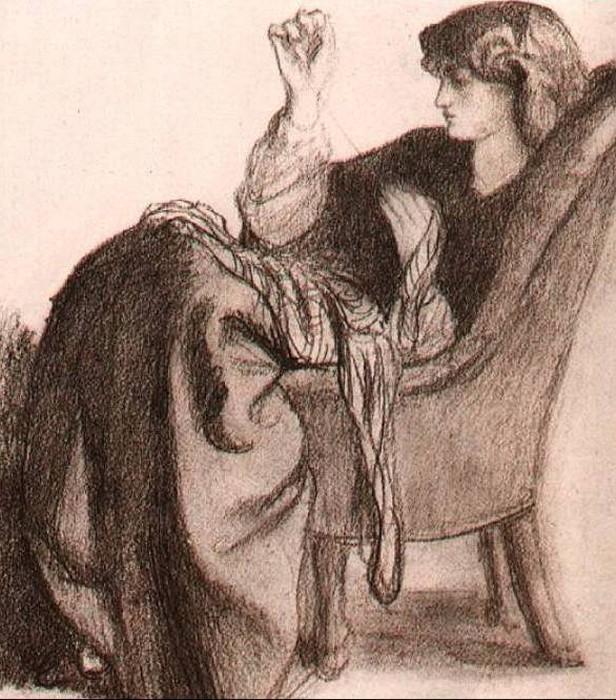
Dante Gabriel Rossetti’s “Jane Morris,” completed in 1857, stands as a cornerstone of Pre-Raphaelite art and embodies the movement's fervent pursuit of idealized beauty—a concept deeply rooted in medieval Christian symbolism. This hauntingly serene depiction captures Jane Burden Morris, William Morris’s wife, seated thoughtfully upon a chair, her hands clasped together in an expression of quiet contemplation.
- Subject Matter: The portrait focuses on Jane Morris herself, portraying her as a symbol of feminine grace and spiritual purity. Her pose—a deliberate gesture mirroring depictions of Mary Magdalene—immediately establishes a connection to biblical iconography, reflecting the Pre-Raphaelites’ fascination with religious themes and their rejection of academic conventions.
- Style: Rossetti's style is distinctly Romantic, prioritizing emotional intensity over precise realism. The muted palette—dominated by browns, creams, and subtle greens—creates an atmosphere of melancholic stillness, mirroring the inner life of its subject. This deliberate avoidance of vibrant color aligns perfectly with the Pre-Raphaelite ethos of rejecting artificiality in favor of capturing genuine feeling.
- Technique: Executed primarily in oil paint on canvas, “Jane Morris” demonstrates Rossetti’s mastery of tonal shading and glazing techniques. Layers of translucent pigment build up to produce a luminous surface that captures the delicate contours of Morris's face and drapery. The artist meticulously rendered details—the folds of her dress, the texture of her hair—highlighting his commitment to capturing visual truth with painstaking accuracy.
Historical Context: The Pre-Raphaelite Brotherhood and Its Ideals
“Jane Morris” emerged from the crucible of the Pre-Raphaelite Brotherhood, founded in 1848 by Rossetti alongside William Holman Hunt and John Everett Millais. Dissatisfied with the prevailing artistic trends of London’s Royal Academy—characterized by polished surfaces and idealized forms—the brotherhood sought inspiration in medieval art and literature, specifically rejecting what they perceived as the distortions introduced by Renaissance artists. They championed a return to the spiritual sincerity and expressive power of artists before Raphael, believing that true beauty resided not merely in visual perfection but also in moral virtue.
- Symbolism: The chair itself serves as a potent symbol—representing stability and contemplation amidst the turbulent currents of Victorian society. Furthermore, Morris’s attire—a simple tunic and cloak—underscores the Pre-Raphaelite ideal of modesty and spiritual devotion. The inclusion of a tie symbolizes unity and connection to tradition, reinforcing the brotherhood's commitment to reviving artistic values rooted in Christian faith.
- Emotional Impact: Rossetti aimed to evoke a profound emotional response from viewers—a feeling of serene beauty mingled with melancholy introspection. “Jane Morris” invites contemplation on themes of femininity, spirituality, and inner peace, capturing the essence of Pre-Raphaelite aesthetics.
Legacy and Influence
"Jane Morris" continues to resonate with audiences today as a testament to Rossetti’s artistic vision and the enduring power of Pre-Raphaelite ideals. Its meticulous technique, evocative symbolism, and profound emotional depth established it as an exemplar of Victorian art—inspiring subsequent artists and writers alike. The painting's influence extends beyond the realm of visual arts, permeating literature and decorative design, cementing its place as a seminal work within British cultural history.