The Blessed Damozel: A Pre-Raphaelite Vision of Eternal Love
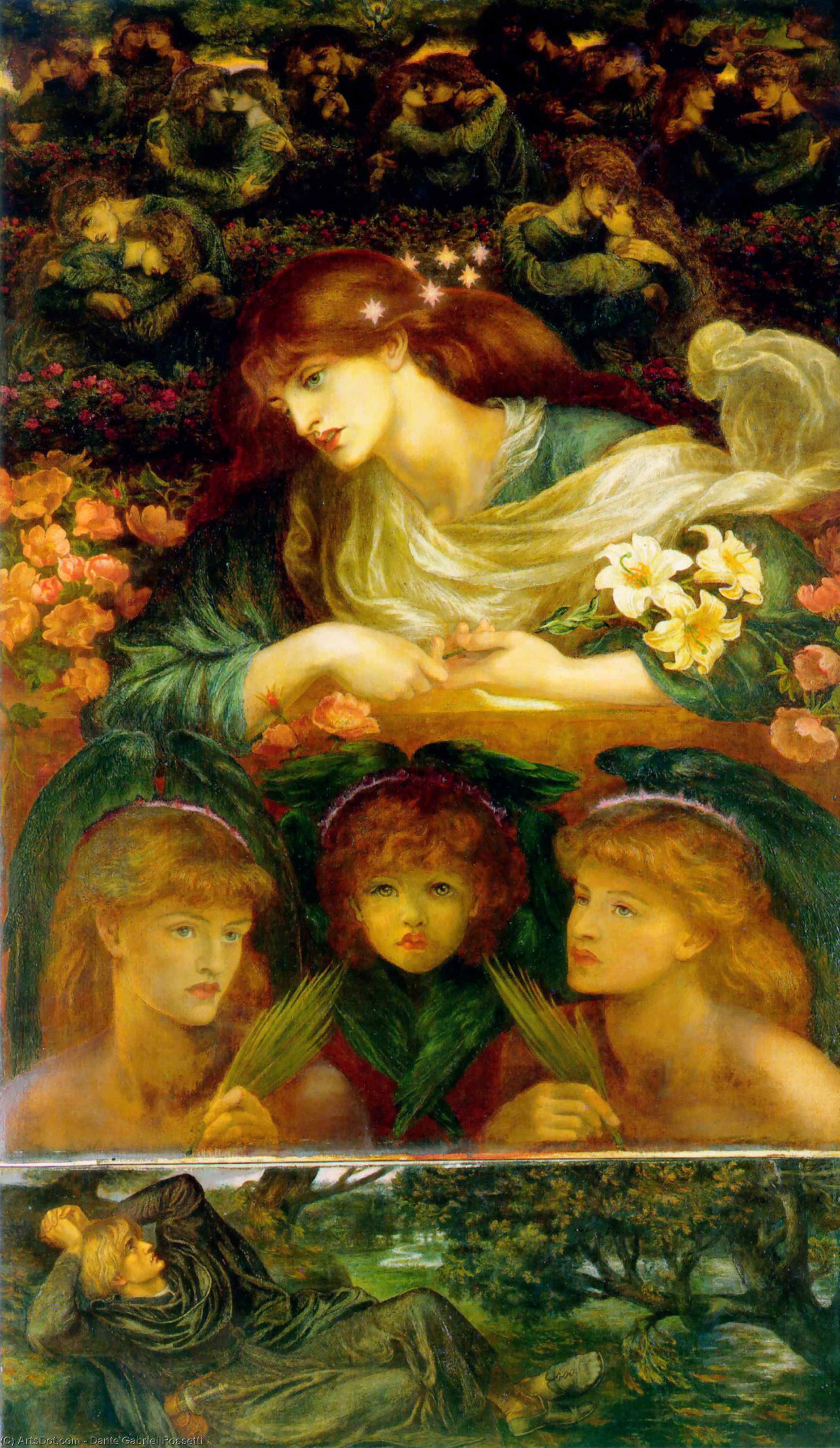
Dante Gabriel Rossetti’s “The Blessed Damozel” stands as one of the most iconic images of the Pre-Raphaelites, embodying their fascination with medieval romance and spiritual yearning. Painted in 1878, this monumental canvas—measuring 84 x 174 cm—captures a scene from Dante’s Paradiso, depicting the ethereal Damozel gazing upon her earthly lover from the celestial realm.
- Subject Matter: The poem itself recounts the tale of a soul longing for reunion with his beloved after death. Rossetti brilliantly translates this narrative into visual form, portraying the Damozel’s sorrowful contemplation and unwavering devotion.
- Style & Technique: Characteristic of the Pre-Raphaelite movement, “The Blessed Damozel” employs meticulous detail and vibrant color palettes—primarily dominated by golds, greens, and pinks—to create an atmosphere of otherworldly beauty. Rossetti’s masterful brushwork conveys a sense of luminous texture, emphasizing the ethereal quality of his subject matter.
- Historical Context: Produced during the Victorian era, “The Blessed Damozel” reflects the broader aesthetic concerns of its time – namely, a rejection of academic conventions in favor of idealized beauty and emotional sincerity. Rossetti’s work aligns with the Pre-Raphaelites' commitment to reviving artistic traditions inspired by medieval art and literature.
- Symbolism: The painting is replete with symbolic elements that underscore its spiritual themes. The lilies represent purity and innocence, mirroring Mary’s role as the Virgin Mother. The stars adorning the Damozel’s hair symbolize divine grace and eternal life. Furthermore, the reclining lover embodies earthly desire and vulnerability—a poignant contrast to the Damozel's serene contemplation.
- Emotional Impact: “The Blessed Damozel” evokes a profound sense of melancholy beauty and longing for transcendence. Rossetti skillfully captures the emotional core of Dante’s poem, conveying the bittersweet ache of separation and the unwavering hope for reunion in paradise. Its luminous colors and intricate composition inspire contemplation on themes of love, loss, and spiritual aspiration.
The Lady Lever Art Gallery houses a stunning replica of this masterpiece, allowing visitors to experience Rossetti’s visionary artistry firsthand.