The Majesty of Philip IV: An Exploration of Velázquez’s Masterpiece
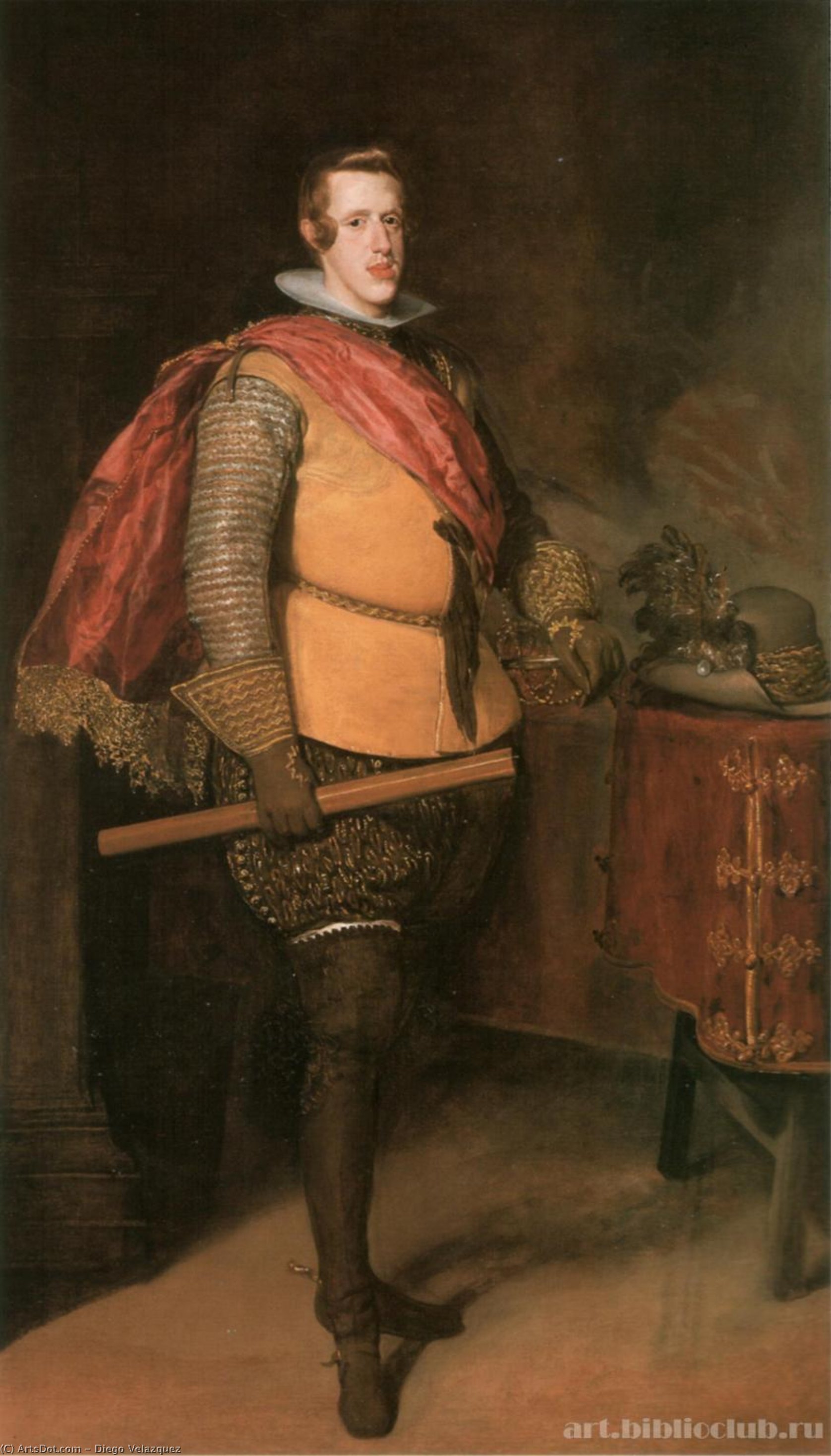
Diego Velázquez's “Felipe IV con armadura 1” (Philip IV in Armor) is more than just a portrait; it’s a meticulously crafted window into the heart of 17th-century Spain. Painted between 1634 and 1635, during Philip IV’s reign, this oil on canvas work transcends mere representation to become a powerful statement about power, authority, and the artist's own position within the royal court. The painting depicts King Philip IV standing in a relatively simple setting – a table bearing a vase – yet it is through Velázquez’s masterful use of light, color, and detail that he elevates this scene into an enduring work of art. It’s a study in controlled grandeur, revealing both the king's formidable presence and the artist’s subtle commentary on the nature of portraiture itself.
)
Felipe IV con armadura 1 by Diego Velázquez
Chiaroscuro and the Drama of Light
Velázquez’s genius lies in his command of chiaroscuro, a technique borrowed from Caravaggio that dramatically contrasts light and shadow. In “Felipe IV con armadura 1,” this is most evident in the way the king's armor – burnished gold and gleaming steel – is illuminated against the darker background. This creates an almost sculptural effect, emphasizing the weight and solidity of his attire while simultaneously drawing the viewer’s eye to his face and posture. The strategic use of light isn’t merely aesthetic; it serves to project an image of strength, confidence, and regal authority. Notice how the folds of the fabric are subtly defined by pools of light, adding depth and realism to the composition.
Realism Redefined: Beyond Idealization
While many royal portraits of the era aimed for idealized representations of their subjects, Velázquez’s approach is strikingly realistic. He doesn't shy away from depicting Philip IV’s aging features – a slight furrow in his brow, a hint of weariness around his eyes – which lends the king an air of humanity and vulnerability. The details are astonishing: the intricate stitching on the armor, the texture of the velvet jacket, even the subtle imperfections in the king's hands. This commitment to realism was revolutionary for its time, challenging the conventions of court portraiture and establishing Velázquez as a leading figure in the development of Western art.
A Royal Presence and Artistic Intrigue
Beyond the obvious symbolism of power and authority, “Felipe IV con armadura 1” is also infused with an element of artistic intrigue. The inclusion of the sword pointed towards the viewer – a gesture common in portraits of monarchs – immediately establishes a connection between the king and his subjects. However, the painting’s composition subtly shifts our focus away from the king himself. The presence of the table with the vase, the two figures in the background (likely members of the royal household), and even the artist's own subtle self-portrait within the scene create a layered narrative that invites interpretation. It’s a masterful demonstration of Velázquez’s ability to infuse his work with both formality and psychological depth.
Legacy and Reproduction
“Felipe IV con armadura 1” remains one of Diego Velázquez's most celebrated works, housed in the Museo del Prado in Madrid. Its influence on subsequent generations of artists is undeniable, particularly Impressionists like Monet and Renoir who were deeply inspired by Velázquez’s innovative use of light and color. ArtsDot offers meticulously crafted, hand-painted oil painting reproductions that capture the essence of this iconic masterpiece. Experience the grandeur and artistry of “Felipe IV con armadura 1” in a stunningly authentic way – visit ArtsDot.com to explore our collection and bring this timeless work of art into your home.