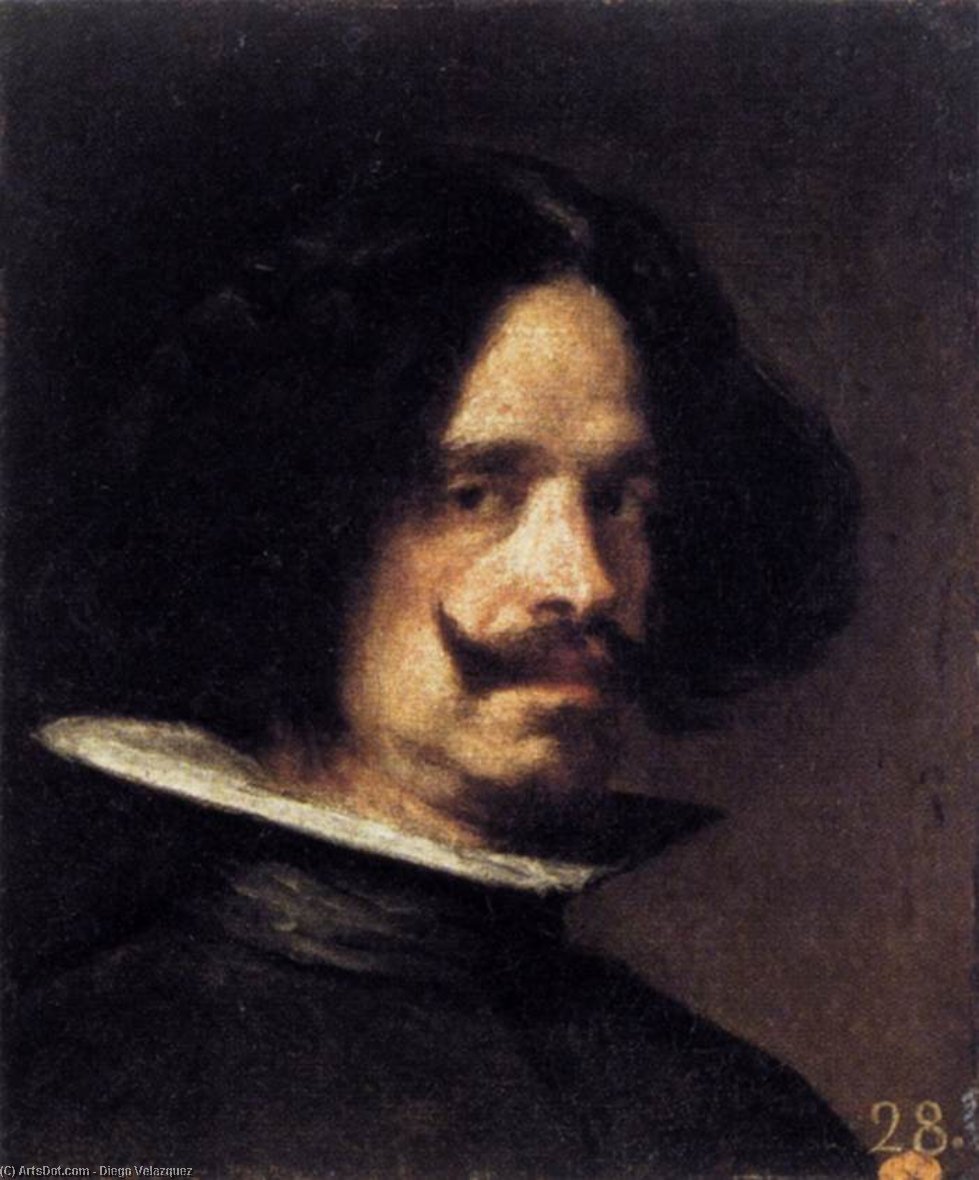
Explore Diego Velázquez’s iconic ‘Self-Portrait,’ a masterpiece of Baroque painting. Discover its chiaroscuro technique & intimate portrayal by the Spanish master.
Diego Velázquez: A master of the Spanish Golden Age! Explore his stunning realism, court portraits & iconic works like ‘Las Meninas.’ Discover the legacy of a Baroque genius.
Discover Spanish art's journey at Valencia’s Museo de Bellas Artes! Explore masterpieces by Velázquez, Goya & Sorolla within the stunning Palacio de San Pio V. Free admission awaits!
A Glimpse into Genius: Diego Velázquez’s 1640 Self-Portrait
Diego Velázquez's *Self-Portrait* of 1640 is more than a likeness; it’s a profound statement about artistry, status, and the very act of seeing. Measuring just 46 x 38 cm, this intimate painting, currently housed in the Museo de Bellas Artes in Valencia, Spain, offers an unparalleled encounter with one of history's greatest masters.
Subject & Composition: Dignity and Introspection
The portrait presents Velázquez in a close-up bust view, seated and gazing directly at the viewer. His expression is remarkably composed – thoughtful, perhaps even slightly melancholic. He wears clothing indicative of his position; not opulent finery, but garments befitting a gentleman and court official. The composition is deliberately restrained, focusing all attention on the artist’s face and upper body. This tight framing intensifies the sense of intimacy and psychological depth.
Masterful Technique: Baroque Brilliance
Velázquez's technical prowess is breathtakingly evident. He employs a masterful use of chiaroscuro, dramatically contrasting light and shadow to sculpt form and create a palpable sense of volume. His brushwork, loose and expressive, isn’t about meticulous detail but rather capturing the *essence* of his features – the subtle lines around his eyes, the texture of his beard. The application of paint is confident and layered, particularly noticeable in the rendering of his collar and hair, showcasing an early form of impasto. This technique lends a remarkable richness and tactility to the surface.
Historical Context: A Painter at the Peak of His Career
Painted around 1640, Velázquez was already firmly established as the leading painter in the court of King Philip IV of Spain. He had served the royal family for decades, and this self-portrait reflects his elevated status – a man of intellect, skill, and influence. It’s important to remember that artists at this time weren't always considered gentlemen; Velázquez actively sought social recognition, and his eventual knighthood was a testament to his achievements. The painting subtly asserts his position within the Spanish aristocracy.
Symbolism & Emotional Resonance
While seemingly straightforward, the *Self-Portrait* is imbued with subtle symbolism. The direct gaze challenges the viewer, demanding engagement. It’s not merely a presentation of self but an invitation to contemplate the nature of portraiture and representation itself. Some scholars suggest the restrained palette and somber mood reflect Velázquez's awareness of his own mortality or perhaps anxieties about maintaining his position at court. The painting evokes a sense of quiet dignity, intellectual curiosity, and introspective calm.
Velázquez’s Legacy & Connections to Other Works
This self-portrait provides valuable insight into the mind of the artist who would later create masterpieces like Las Meninas. While *Las Meninas* is a complex narrative teeming with figures and symbolism, this self-portrait offers a more concentrated and personal view. Both works demonstrate Velázquez’s innovative approach to painting – his ability to capture not just physical likeness but also psychological truth. His influence on subsequent generations of artists, from Goya to Picasso, is undeniable.
For Collectors & Interior Designers
A reproduction of this *Self-Portrait* brings a touch of Baroque grandeur and intellectual sophistication to any space. Its muted color palette complements a variety of interior styles, while its intimate scale makes it suitable for both smaller rooms and larger collections. The painting’s enduring appeal lies in its ability to spark conversation and inspire contemplation – a timeless masterpiece that continues to resonate with audiences today. Explore high-quality reproductions available through ArtsDot, capturing the essence of Velázquez's original vision.