Diego Velázquez: A master of the Spanish Golden Age! Explore his stunning realism, court portraits & iconic works like ‘Las Meninas.’ Discover the legacy of a Baroque genius.
Wellington Museum, nestled in London’s Piccadilly, showcases the grandeur of Robert Adam architecture alongside Diego Velázquez’s captivating portraits and Napoleon memorabilia. Immerse yourself in the atmosphere of Waterloo Gallery and delve into the domestic life of the Dukes of Wellington, preserving a remarkable collection for future generations.
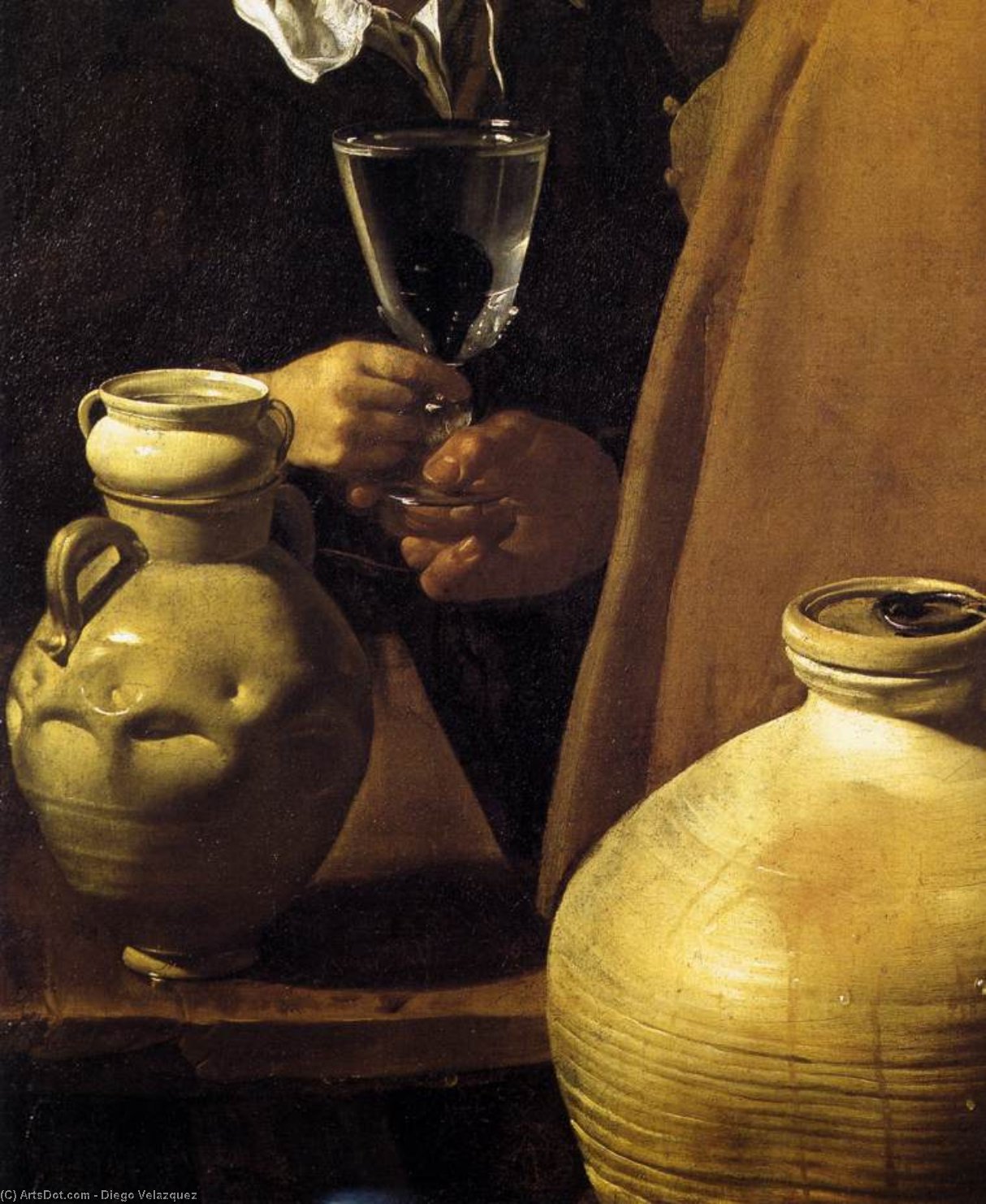
The Waterseller of Seville (detail): A Window into Habsburg Spain
Diego Rodríguez de Silva y Velázquez’s “The Waterseller of Seville,” completed in 1623, stands as a cornerstone of Baroque art and an unparalleled achievement in capturing the essence of everyday life within the opulent court of Philip IV. Housed at the Wellington Museum in London, this painting transcends mere portraiture; it's a meticulously crafted tableau that speaks volumes about artistic innovation, psychological observation, and the cultural landscape of its time.
- Composition & Significance: Velázquez’s genius lies in his ability to distill complex narratives into deceptively simple forms. The central figure—a humble waterseller—is framed against a backdrop of two vases and a bowl, creating a balanced visual harmony that draws the eye inward. This deliberate arrangement isn't merely aesthetically pleasing; it reflects the Baroque preoccupation with illusionism and theatrical presentation – techniques Velázquez honed from his studies under Caravaggio.
- Artistic Techniques & Style: The painting’s brilliance resides in Velázquez’s masterful manipulation of light and shadow, a hallmark of his distinctive style. Known as “tenebrismo,” this technique employs dramatic contrasts between illumination and darkness to heighten emotional impact and sculpt the contours of the subject. Notice how Velázquez subtly illuminates the waterseller's face, conveying an aura of quiet dignity and introspection.
- Historical Context: Created during Philip IV’s reign, “The Waterseller” embodies the spirit of the Spanish Golden Age—a period marked by artistic fervor and royal patronage. Velázquez’s work reflects Caravaggio’s influence, but crucially distinguishes itself through its unflinching realism and psychological depth – qualities that set it apart from many other portraits commissioned during the era.
- Symbolism & Emotion: Beyond its formal beauty, “The Waterseller” carries symbolic weight. The waterseller represents not wealth or nobility, but resilience and perseverance—qualities admired in the Spanish monarchy. More profoundly, Velázquez captures a fleeting moment of human interaction, inviting viewers to contemplate themes of observation, contemplation, and the dignity inherent in ordinary existence.
Velázquez’s legacy extends far beyond its immediate visual impact. He fundamentally altered artistic conventions, establishing a new standard for portraiture that prioritized psychological realism over idealized representation. His influence can be seen throughout European art history, cementing his place as one of the greatest painters of all time.
For those seeking to immerse themselves in the artistry of Diego Velázquez and experience the captivating beauty of “The Waterseller of Seville,” visit The Waterseller of Seville by VELÁZQUEZ, Diego Rodriguez de Silva y on ArtsDot.com. Explore further insights into the artist’s life and oeuvre at Portrait of a Man on Wellington Museum.