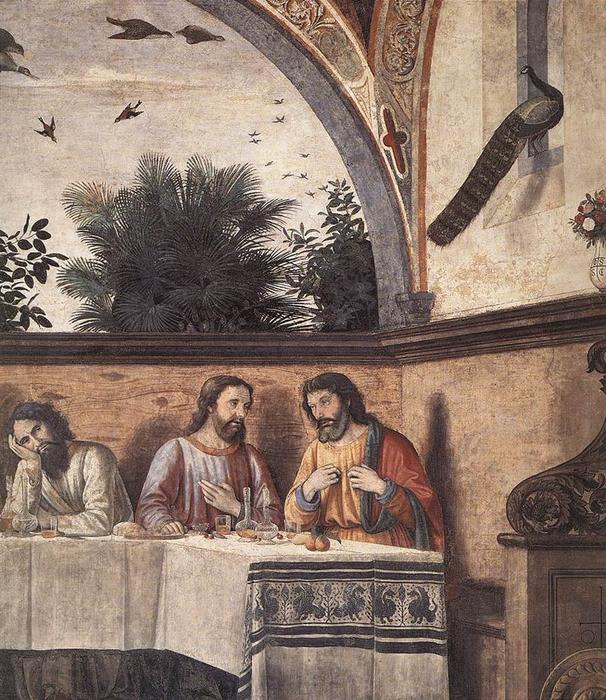
This stunning reproduction captures the essence of Ghirlandaio’s celebrated painting, showcasing a contemplative scene within Ognissanti church. Observe the meticulous depiction of gestures, clothing, and architectural elements—a testament to Florentine artistic excellence.
Domenico Ghirlandaio (1449-1494) was a Florentine Renaissance painter known for realistic portraits & contemporary life woven into religious frescoes. Explore his works like 'St. Jerome' and the Sistine Chapel commissions at ArtsDot.
Відкрийте для себе приховане ренесансне диво Флоренції – церкву Сан Сальваторе Огніссанті! Насолоджуйтесь шедеврами Джотто та Гірландайо, відчуйте атмосферу історії!
A Window Into Florentine Faith: Examining Domenico Ghirlandaio’s “The Last Supper”
The fresco "Last Supper" by Domenico Ghirlandaio, completed in 1480 at Ognissanti Church in Florence, stands as a cornerstone of Renaissance art and a poignant meditation on Christian faith. More than just a depiction of Jesus' final meal with his disciples, it’s a masterful orchestration of visual elements designed to convey profound spiritual truths—a testament to Ghirlandaio’s skill as an artist and his understanding of the humanist ideals that were reshaping Europe at the time.
The Fresco Technique: A Symphony of Color and Light
Ghirlandaio employed the traditional fresco technique, applying pigment directly onto wet plaster – a method demanding meticulous planning and execution. This painstaking process ensured exceptional durability and vibrancy, allowing the colors to penetrate deeply into the substrate and resist fading over centuries. The artist skillfully utilized chiaroscuro—the dramatic interplay of light and shadow—to sculpt form and create an atmosphere of solemn contemplation. Notice how the diffused sunlight filtering through the arched window illuminates the faces of Jesus and his companions, highlighting their expressions and emphasizing the importance of divine illumination in understanding human experience. The subtle gradations of color contribute to a sense of realism, mirroring the natural world outside the church walls.
Historical Context: Florence Under Lorenzo de’ Medici
Florence during Lorenzo de’ Medici's reign was experiencing an unprecedented flourishing of artistic creativity—the High Renaissance was taking root. Patronage from wealthy families like the Medici fueled ambitious projects aimed at glorifying God and celebrating humanist values. Ghirlandaio’s commission reflects this cultural climate, aligning with the broader movement to revive classical ideals while simultaneously reaffirming Christian dogma. The fresco served as a powerful symbol of Florentine civic pride and spiritual devotion—a visual declaration of Florence's commitment to artistic excellence and religious piety.
Symbolism: Gestures and Facial Expressions – Layers of Meaning
Beyond its technical brilliance, “The Last Supper” is laden with symbolic gestures and facial expressions that communicate complex theological concepts. Jesus’ central position at the table signifies his authority and divine grace—he is depicted holding a book open before him, representing scripture and conveying the idea that he embodies God's word. The disciples’ postures are carefully considered; Judas Iscariot sits alone on the periphery of the group, symbolizing betrayal and isolation – a stark contrast to the unity and fellowship expressed by the other figures. Each apostle’s gaze is directed towards Jesus, demonstrating reverence and acknowledging his divine presence. These subtle nuances invite viewers to contemplate themes of faith, repentance, and redemption—elements central to Christian theology.
Emotional Impact: Capturing the Moment of Revelation
The fresco's enduring appeal lies in its ability to evoke a powerful emotional response. Ghirlandaio’s masterful depiction captures the palpable tension and solemnity of that pivotal moment – the announcement of Jesus’ impending sacrifice. The faces of the apostles convey a range of emotions—doubt, apprehension, compassion—reflecting the human condition grappling with profound spiritual questions. As viewers gaze upon this iconic image, they are transported back to fifteenth-century Florence, experiencing firsthand the beauty and depth of Renaissance artistic vision. “The Last Supper” continues to inspire awe and contemplation, reminding us of the enduring power of art to communicate universal truths about humanity’s relationship with God.