A Bold Statement Against Tradition: Examining Édouard Manet’s ‘The Blonde with Bare Breasts’
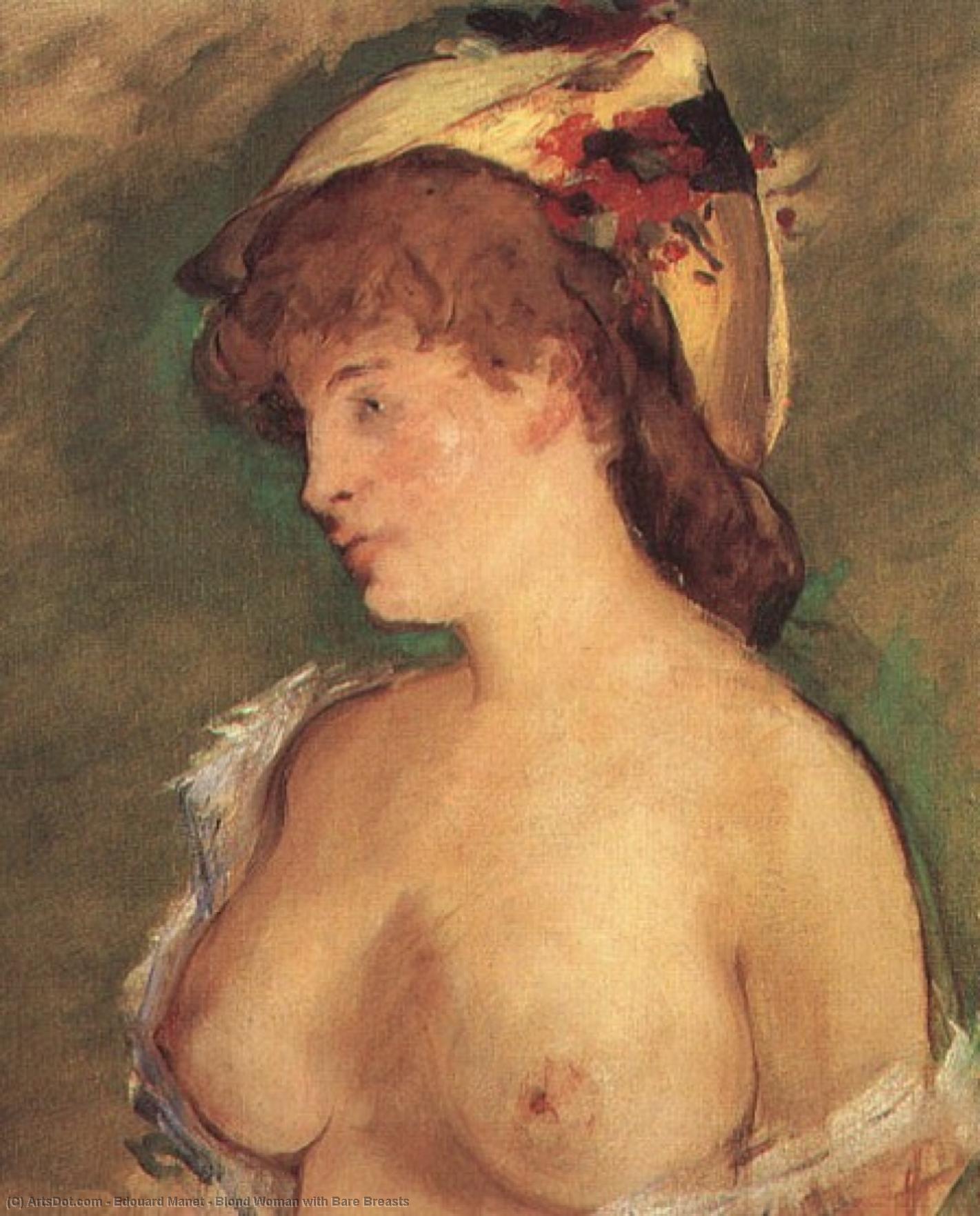
Édouard Manet's 'The Blonde with Bare Breasts,' housed in the Musée d’Orsay, stands as a pivotal moment in Impressionist art history—a defiant challenge to academic conventions and an audacious exploration of modern sensibility. Painted around 1863, this seemingly simple depiction of a nude woman reclining on a chaise lounge captivated audiences upon its debut at the Salon des Refusés, sparking considerable controversy and cementing Manet’s reputation as a rebel artist. The painting isn't merely aesthetically pleasing; it’s a carefully constructed provocation designed to unsettle viewers accustomed to idealized representations of female beauty.
- Subject Matter: The artwork centers on a woman draped in luxurious fabrics, her torso exposed, gazing directly at the viewer with an expression of serene contemplation. This gaze is deliberately confrontational—a rejection of the passive femininity championed by academic painters—and forces the audience to engage actively with the image.
- Style & Technique: Manet employed a technique that departed dramatically from the meticulous realism favored by his predecessors. Instead of painstakingly blending colors to achieve smooth gradations, he utilized visible brushstrokes—a hallmark of Impressionism—to capture fleeting moments of light and atmosphere. The canvas is rendered in muted tones of ochre, beige, and pale pink, creating an illusionistic space that feels both sensual and slightly detached from reality.
Historical Context & Scandalous Reception
The Salon des Refusés—established to showcase artworks rejected by the official Salon—provided Manet with a crucial platform for disseminating his artistic vision. The prevailing artistic climate of the time demanded adherence to idealized forms and mythological narratives, portraying women as symbols of purity and virtue. Manet’s refusal to conform to these expectations ignited outrage among critics who accused him of vulgarity and immorality. They questioned his artistic integrity and condemned his depiction of nudity as disrespectful to religious sensibilities. However, this uproar ultimately served to elevate Manet's reputation and solidify his position as a pioneer of modern art.
- Symbolism: Beyond its visual impact, ‘The Blonde with Bare Breasts’ carries symbolic weight. The woman represents not just physical beauty but also intellectual independence—a refusal to accept societal constraints on female expression. The parasol and vase serve as decorative elements that subtly reinforce the image's atmosphere of refined leisure, yet they are presented in a way that feels oddly sterile and devoid of emotional warmth.
- Influence: Manet’s bold approach profoundly influenced subsequent generations of artists, paving the way for Impressionism and Expressionism. Artists like Claude Monet and Vincent van Gogh embraced his technique of visible brushstrokes and explored themes of everyday life with unprecedented honesty—a legacy that continues to inspire creativity today.
Emotional Impact & Artistic Legacy
Despite its controversial debut, ‘The Blonde with Bare Breasts’ possesses an undeniable emotional resonance. The woman's gaze compels viewers to confront their own perceptions of beauty and desire—a disconcerting experience that underscores Manet’s artistic ambition. More than just a painting, it is a statement about the artist’s role in challenging societal norms and redefining aesthetic standards. Today, reproductions of this masterpiece offer art lovers and interior designers alike an opportunity to appreciate Manet's groundbreaking vision and immerse themselves in the spirit of Impressionist innovation. Explore stunning high-quality prints at ArtsDot.com.