Explore Édouard Manet (1832-1883), a pivotal figure bridging Realism & Impressionism. Discover iconic works like 'Le Déjeuner sur l'herbe' and 'Olympia,' and his lasting impact on modern art.
Explore the Cleveland Museum of Art's diverse collection spanning continents & eras! Free admission, stunning architecture, and engaging exhibits await – a cultural gem in University Circle.
A Portrait of Darkness: Édouard Manet’s Reverie on Poe
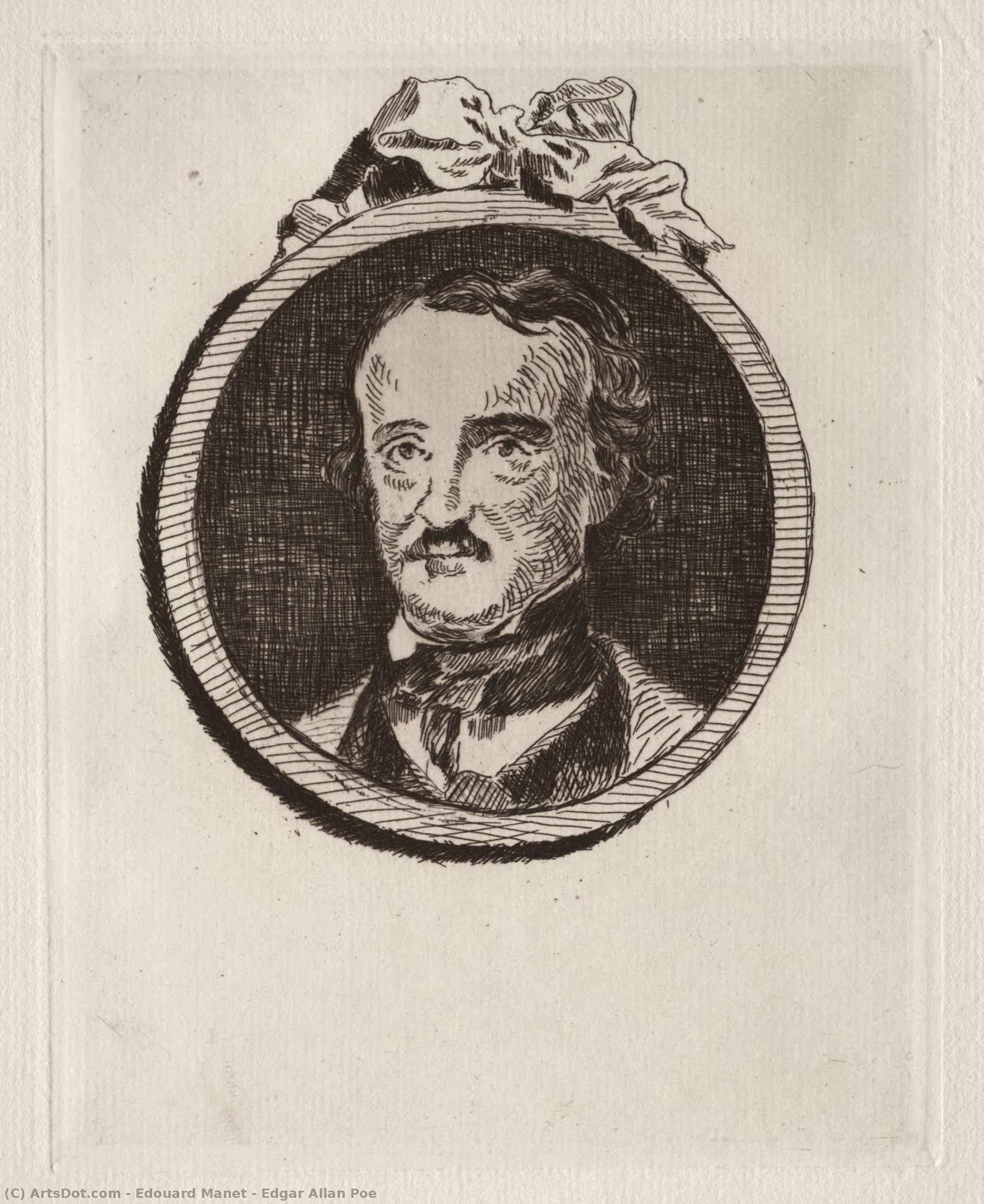
Édouard Manet's depiction of Edgar Allan Poe, completed in 1860, transcends mere likeness; it embodies a profound exploration of psychological depth and artistic innovation within the burgeoning Impressionist movement. The photograph itself captures a moment frozen in time—a stark black and white image that prioritizes tonal nuance over vibrant color, mirroring the somber mood inherent in Poe’s literary legacy. This deliberate choice underscores Manet's commitment to conveying emotion rather than simply documenting reality.
- Subject Matter: The portrait portrays Edgar Allan Poe with meticulous detail—a brooding gaze directed towards the viewer, framed by a prominent beard and mustache that lend him an air of intellectual intensity. Two bows flanking the figure serve as decorative elements, subtly enhancing the composition’s elegance while simultaneously drawing attention to Poe's dignified posture.
- Style & Technique: Manet eschewed academic conventions, opting for a looser brushstroke technique characteristic of Impressionism. Unlike traditional portraiture which aimed for idealized beauty, Manet sought to capture the artist’s inner state—a palpable sense of melancholy and contemplation. The subtle gradations of light and shadow contribute significantly to this effect, creating an atmosphere that feels both realistic and emotionally resonant.
The historical context surrounding Poe's life and work is crucial to understanding Manet’s artistic intentions. Poe was a literary titan grappling with themes of madness, death, and the subconscious—subjects that resonated powerfully within Victorian society. Manet recognized the importance of conveying these ideas through visual art, mirroring the stylistic innovations of artists like Caravaggio and Velázquez who had mastered the manipulation of light to evoke emotion. The artist’s fascination with psychological realism aligns perfectly with Poe's literary explorations.
- Symbolism: Beyond its formal elements, the portrait is laden with symbolic significance. The bows represent respect for Poe’s intellect and artistic achievement, yet their placement—one on the left, one on the right—creates a visual imbalance that subtly reflects Poe's tormented psyche. The dark tones dominate the image, mirroring the pervasive darkness of Poe’s tales and reflecting Manet’s desire to portray not just appearance but also inner turmoil.
Ultimately, Manet’s portrait succeeds in capturing the essence of Edgar Allan Poe—a man consumed by imagination and haunted by anxieties. It is a testament to Manet's artistic vision and his willingness to challenge established norms, cementing his place as one of the most influential figures in Impressionist art history. Reproductions offer an opportunity to appreciate this masterpiece’s nuanced beauty and psychological depth, bringing Poe’s contemplative gaze into any interior space.