A Window into Norwegian Melancholy: Edvard Munch’s Garden in Taarbaek
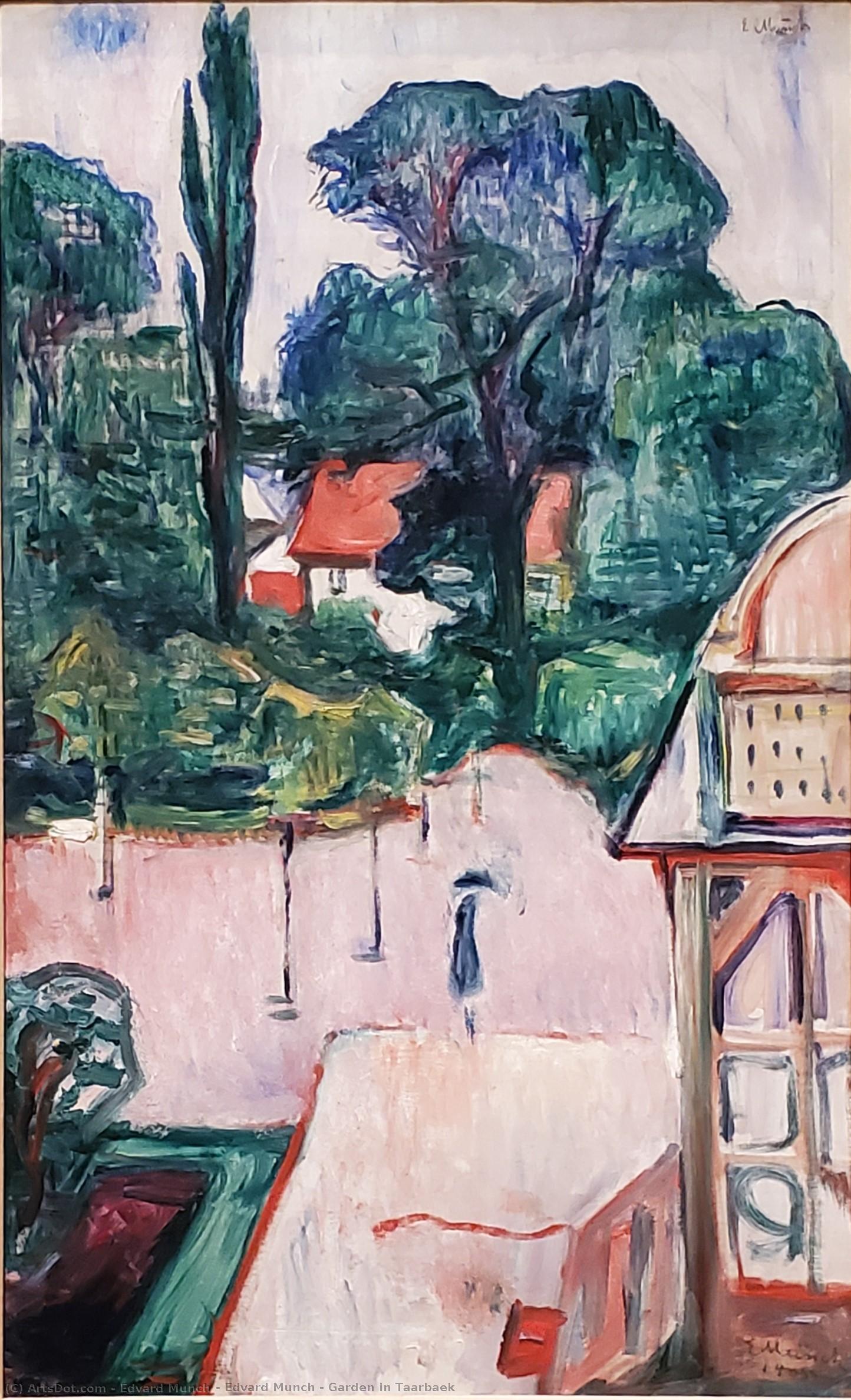
Edvard Munch's "Garden in Taarbaek," painted in 1905, isn’t merely a depiction of a tranquil Oslo street; it’s a profound meditation on the anxieties inherent within everyday life—a cornerstone of Munch’s distinctive artistic vision. Born into a family grappling with tuberculosis and burdened by religious dogma, Munch's formative years instilled within him an inescapable preoccupation with mortality and psychological distress, themes that would relentlessly permeate his oeuvre. This painting encapsulates precisely this sensibility, presenting a deceptively calm exterior concealing layers of emotional complexity.
- Subject Matter & Composition: The scene captures a typical Oslo streetscape—a modest garden nestled amongst residential buildings—populated by figures engaged in mundane activities. Munch eschews grand narratives or dramatic gestures, opting instead for an observational approach that prioritizes capturing the atmosphere of a particular moment. The careful arrangement of trees and benches contributes to a sense of stillness, yet it’s juxtaposed with the presence of people and a car, subtly hinting at the intrusion of external forces into this internal realm.
- Style & Technique: Munch's style aligns firmly within Impressionism, albeit imbued with Expressionist tendencies. He employs loose brushstrokes and vibrant colors—primarily yellows and greens—to convey not just what he sees but how he *feels*. The painting’s surface is textured, reflecting Munch’s deliberate manipulation of pigment to achieve a palpable sense of immediacy and emotional resonance. Unlike traditional landscapes that strive for idealized beauty, “Garden in Taarbaek” embraces imperfection, mirroring the turbulent inner state of its creator.
Historical Context: The Dawn of Expressionism
Painted during a pivotal period in Munch’s artistic development—a time when he was actively experimenting with new stylistic approaches—the canvas reflects the burgeoning influence of Expressionism. This movement sought to depict subjective experience rather than objective reality, prioritizing emotional intensity over visual accuracy. Munch's exploration of psychological themes resonated deeply with contemporaries grappling with disillusionment and uncertainty following the First World War, establishing “Garden in Taarbaek” as a seminal work within this influential artistic tradition. It stands apart from the prevailing aesthetic sensibilities of its era, signaling a decisive break from academic conventions.
Symbolism & Emotional Resonance
Beyond its formal qualities, "Garden in Taarbaek" is laden with symbolic significance. The garden itself represents refuge and tranquility—a fleeting respite from the pervasive anxieties of existence—yet it’s framed by buildings, symbolizing confinement and societal pressures. The solitary figures strolling along the sidewalk embody vulnerability and isolation, mirroring Munch's own struggles with mental illness. Notably, a clock hangs on the wall, serving as a potent reminder of time’s relentless march toward decay and death—a motif recurrent throughout Munch’s work and emblematic of his preoccupation with mortality.
A Reproduction That Captures Essence
ArtsDot offers meticulously crafted reproductions of Edvard Munch's “Garden in Taarbaek,” utilizing archival pigments on premium canvas to faithfully recreate the artist’s original vision. These reproductions allow art enthusiasts and collectors alike to experience the painting’s evocative atmosphere and profound emotional depth—a testament to Munch’s enduring legacy as one of the most influential artists of the 20th century. Bringing this masterpiece into your home transforms it from a mere image onto canvas into an embodiment of Norwegian melancholy and artistic innovation.