Explore Edvard Munch (1863-1944), pioneer of Expressionism! Discover 'The Scream' & art exploring anxiety, mortality, love & psychological themes.
Explore the world's largest collection of Edvard Munch’s art at Oslo’s MUNCH Museum! Discover iconic works like *The Scream*, contemporary exhibits, and stunning architecture on the Oslofjord.
A Haunting Vision of Motherhood & Despair
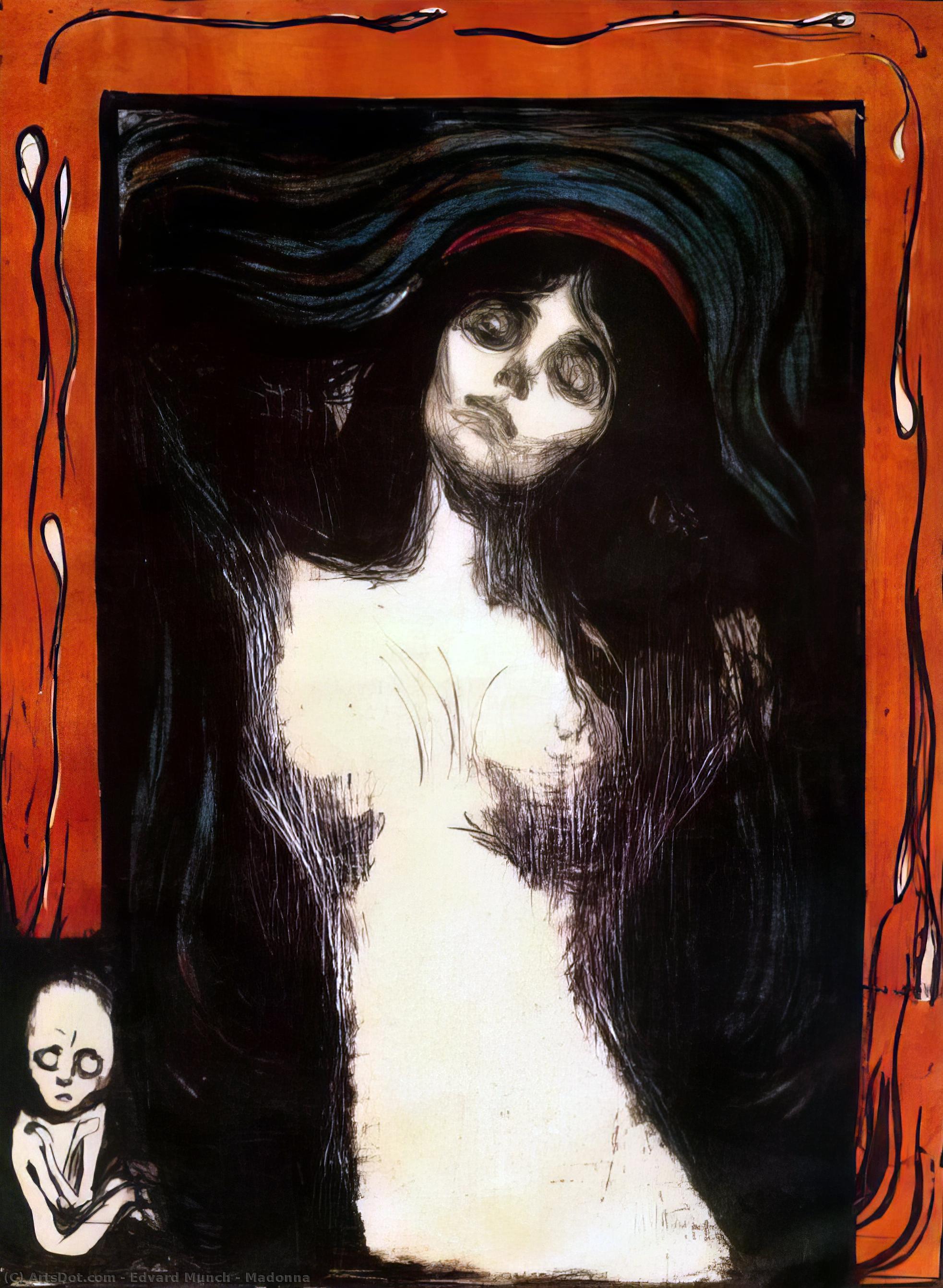
Created in 1894 by Norwegian master Edvard Munch, this powerfully emotive work transcends mere representation to become a visceral exploration of human suffering and the complexities of motherhood. Far removed from idealized depictions, it presents a raw and unsettling vision that continues to resonate with viewers today.
Expressionist Roots & Artistic Technique
This piece stands as a pivotal example of early Expressionism, a movement prioritizing subjective emotional experience over objective reality. Munch eschews traditional artistic conventions, employing swirling lines, distorted forms, and a deliberately jarring color palette to convey inner turmoil. The work likely utilizes oil or tempera on cardboard, contributing to its textured surface and sense of immediacy. Notice the loose brushstrokes and bold application of paint – techniques designed not to replicate visual accuracy but to amplify emotional impact.
Decoding the Symbolism
At the heart of the composition lies a woman, rendered with skeletal features and an expression of profound anguish. Her partially unclothed state speaks to vulnerability and exposure. Above her head, swirling lines create a halo-like form, yet instead of sanctity, it evokes chaos and oppression. To the left, a ghostly infant figure – skull-like and seemingly weeping – introduces themes of loss, inherited suffering, and the burdens of motherhood. The double framing—a dark rectangle within an irregular orange shape—heightens the sense of confinement and isolation.
Historical Context & Munch’s Inner World
Munch's personal life was deeply marked by tragedy – the early deaths of his mother and sister from tuberculosis, coupled with a family history of mental illness. These experiences profoundly shaped his artistic vision. Created during a period of intense psychological struggle for the artist, this work reflects not only universal themes of grief and anxiety but also Munch’s own internal demons. It foreshadows the broader anxieties of the modern age, capturing a sense of existential dread that would become increasingly prevalent in 20th-century art.
Emotional Resonance & Interior Impact
This artwork is not designed to offer comfort; it confronts and disturbs. Its intense emotional charge makes it a compelling focal point for any space. The somber color palette – deep blacks, fiery oranges, sickly yellows – creates a dramatic atmosphere, while the swirling lines inject dynamic energy. A reproduction of this piece would be particularly impactful in a study, library, or living area where contemplation and introspection are encouraged. It serves as a powerful reminder of the complexities of the human condition and the enduring power of art to express our deepest emotions.