A Window Into Lost Worlds: The Ethereal Soul of Hollywood Portrait
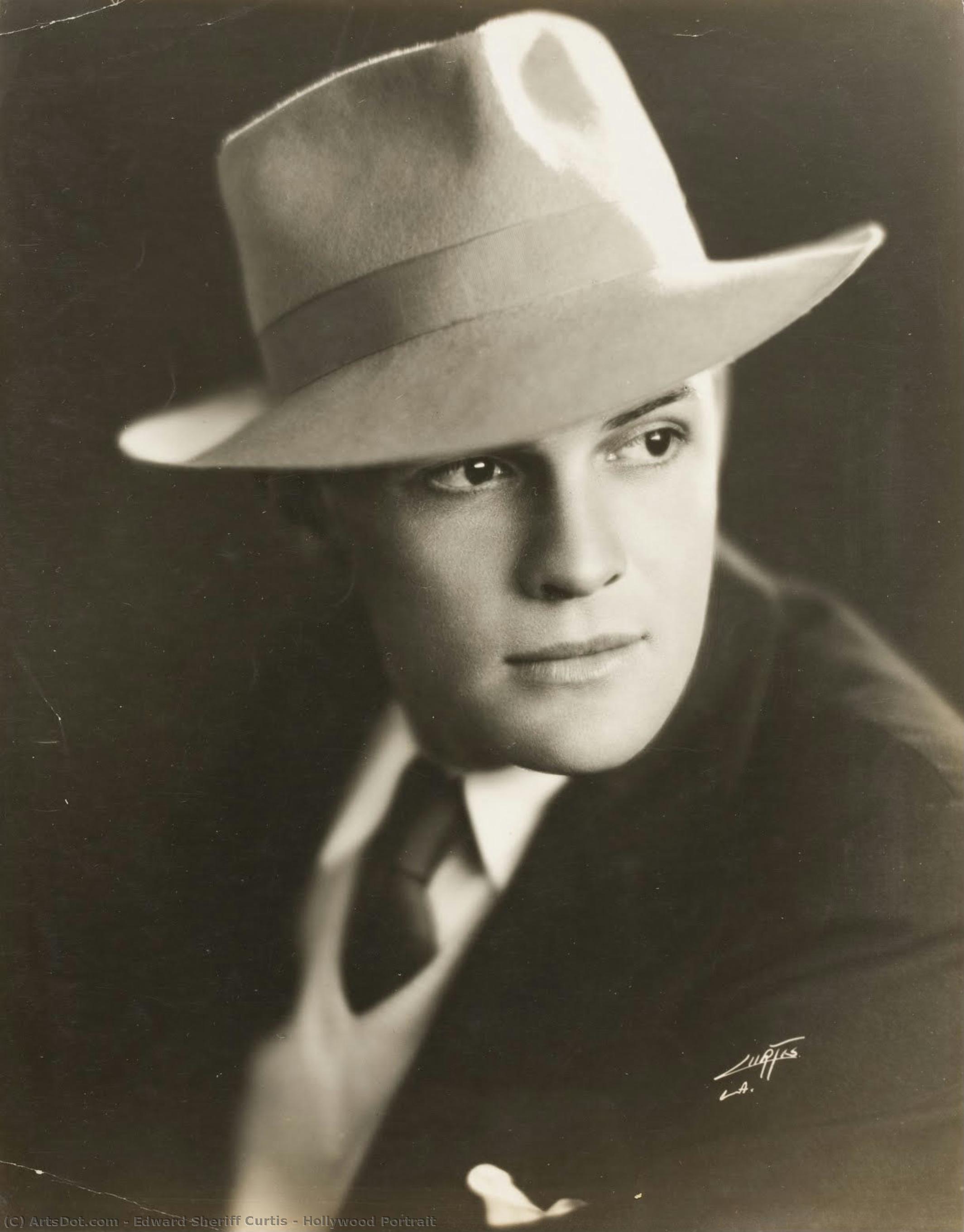
In the quiet stillness of Edward Sheriff Curtis’s 1926 masterpiece, Hollywood Portrait, time does not merely stand still; it breathes with a profound, nostalgic grace. This is far more than a photographic record; it is a meticulously crafted relic of the American West, an evocative window into a vanishing era. At first glance, the viewer is met with the serene presence of a man—often identified as Chief Joseph—seated with a quiet dignity beneath the protective canopy of a sprawling oak tree. The backdrop of hazy California hills suggests a landscape that is both vast and intimate, wrapping the subject in a soft, atmospheric embrace that blurs the line between historical documentation and dreamlike poetry.
The emotional resonance of this piece lies in its ability to evoke a sense of melancholy beauty. Curtis, often referred to as the "Shadow Catcher," possessed a singular ability to capture not just the physical likeness of his subjects, but their very spirit. Through his lens, we witness a moment of profound contemplation, where the strength of the individual is mirrored by the enduring presence of the natural world. For the collector or the interior designer, this artwork offers a sophisticated focal point that brings a sense of historical depth and soulful tranquility to any curated space.
Mastery of Light and the Art of Soft Focus
Technically, Hollywood Portrait is a triumph of early 20th-century photographic innovation. Utilizing a large-format camera, Curtis employed the wet collodion printing process to achieve an exceptional tonal range. This method allowed for a breathtaking interplay of light and shadow, capturing subtle nuances that smaller, more modern cameras would have undoubtedly lost. His deliberate use of a soft-focus aesthetic—a hallmark of his signature style—elevates the portrait from simple representation to something much more ethereal. This technique softens the edges of reality, imbuing the image with a romantic idealism that feels as though it were pulled from a cherished memory.
The composition is a masterclass in balance and symbolic weight. The positioning of the man against the ancient oak tree creates a powerful visual anchor. In this context, the tree serves as a potent symbol of resilience, strength, and an unbreakable connection to ancestral lands. This organic element provides a structural counterpoint to the human figure, suggesting that while cultures may face the pressures of rapid industrialization, the essence of their identity remains rooted in the earth itself. The interplay between the sharp details of the subject's presence and the hazy, receding hills creates a sense of immense depth, inviting the viewer to linger within the frame.
A Legacy Preserved for the Modern Collector
To understand Hollywood Portrait is to understand the historical urgency of the Progressive Era. Created during a period of intense westward expansion and industrial growth, Curtis’s work was driven by a monumental mission: to document the traditions of Indigenous peoples before they were irrevocably altered by change. This photograph embodies that very tension—the desire to preserve the sacred and the disappearing amidst a world in flux. It is an ethnographic treasure wrapped in the cloak of fine art.
For those seeking to adorn a home or gallery with pieces that tell a story, this reproduction offers more than mere decoration. It provides a conversation piece that bridges the gap between history and contemporary aesthetics. Whether placed in a study filled with leather-bound books or as a striking monochromatic element in a modern minimalist interior, Hollywood Portrait commands attention through its quiet power. It is an invitation to reflect on the enduring nature of dignity, the beauty of the natural world, and the timeless allure of the American West.