The
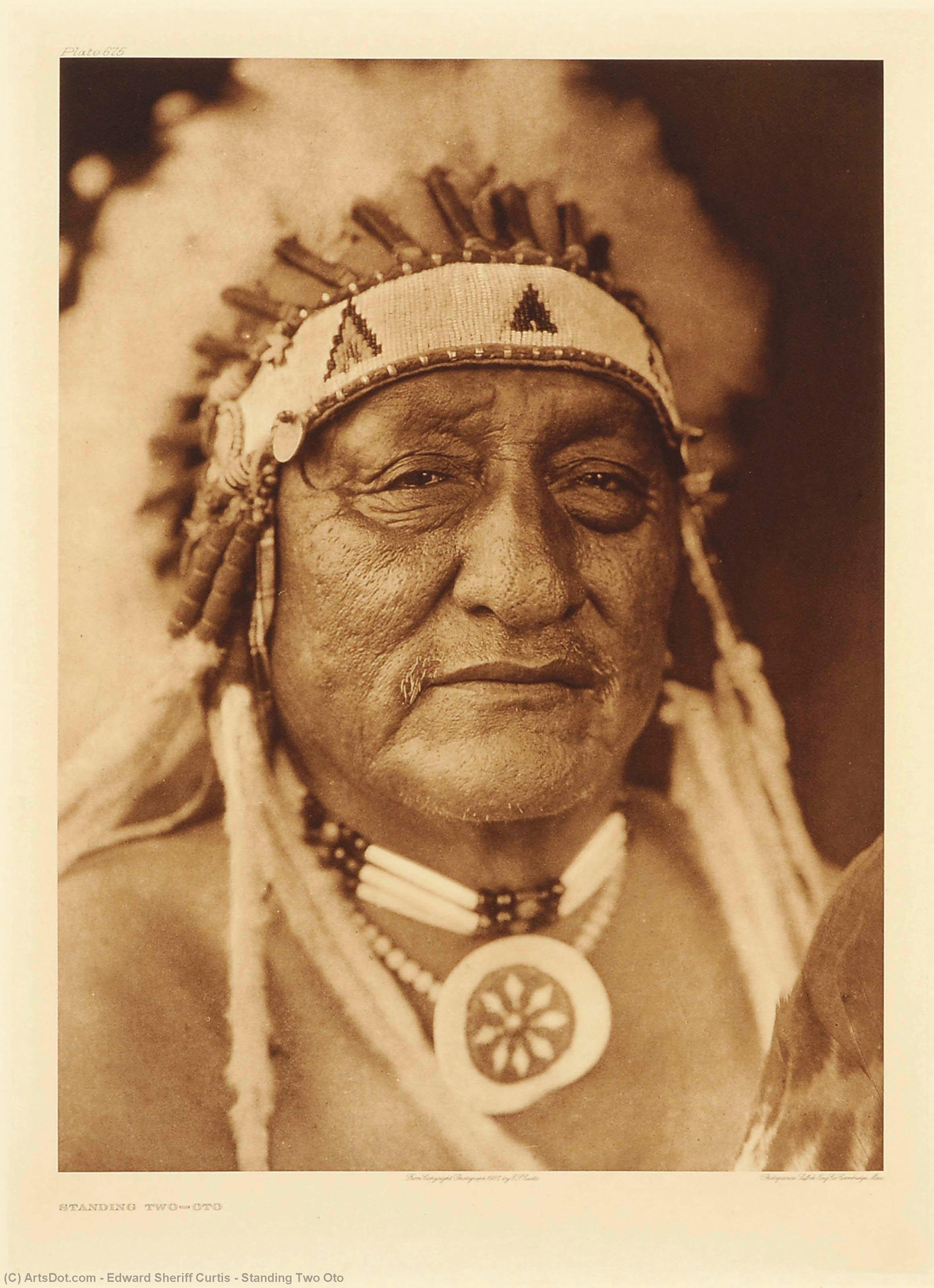
Smithsonian American Art Museum is home to a plethora of stunning artworks, including the captivating photograph
Standing Two Oto by renowned artist
Edward Sheriff Curtis. Created in 1927, this photogravure on tissue is a testament to Curtis's exceptional skill in capturing the essence of Native American culture.
The Artist and His Work
Edward Sheriff Curtis was a prolific artist who dedicated his life to documenting the lives of North American Indians. His work is a significant contribution to the field of photography and anthropology, providing a unique glimpse into the traditions and customs of Native American tribes. The
Standing Two Oto photograph is part of Curtis's extensive portfolio, which includes works such as
Wakonda Oto and
Pipe Stem Oto, all available on
ArtsDot.com.
The Painting's Significance
The
Standing Two Oto photograph is not only a beautiful work of art but also an important historical document. It showcases the traditional attire and customs of the Oto tribe, providing valuable insights into their culture and way of life. The photograph's significance extends beyond its aesthetic appeal, as it serves as a window into the past, allowing us to appreciate the richness and diversity of Native American heritage.
Key Features of the Painting: - The photograph measures 42 x 31 cm, making it an intimate and detailed portrait.
- The subject's traditional headdress and attire are meticulously captured, highlighting the importance of cultural preservation.
- The photogravure technique used by Curtis adds a level of depth and texture to the image, making it a truly unique piece.
For more information on
Edward Sheriff Curtis and his works, visit
ArtsDot.com or the
Smithsonian American Art Museum website.
The
Standing Two Oto photograph is a testament to Curtis's exceptional skill and dedication to preserving Native American culture. As a work of art, it continues to captivate audiences with its beauty and historical significance, making it an essential part of any art collection.