The
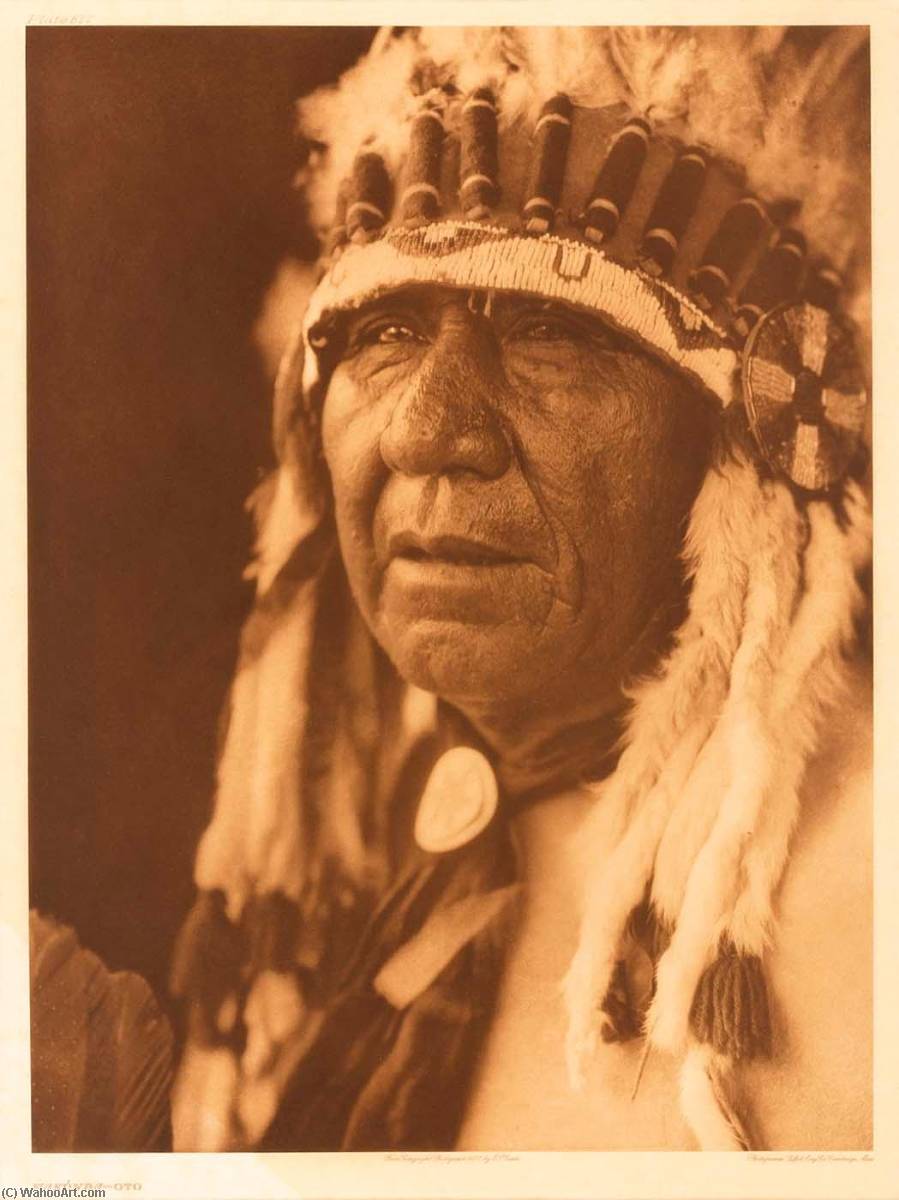
Smithsonian American Art Museum is home to a plethora of stunning artworks, including the captivating photograph
Wakonda Oto by renowned artist
Edward Sheriff Curtis. Created in 1927, this black and white portrait showcases the artist's exceptional skill in capturing the essence of Native American culture.
The Artist's Vision
Edward Sheriff Curtis was a prolific photographer who dedicated his life to documenting the lives of Native American tribes. His work is characterized by a deep respect for the subject matter and a commitment to preserving the history and traditions of these communities.
Wakonda Oto is a testament to his artistic vision, presenting a poignant portrait of a Native American man adorned in traditional attire.
Key Features of the Painting: - The photograph measures 42 x 32 cm, making it an intimate and personal portrayal of the subject.
- The use of black and white photography adds a sense of timelessness to the image, emphasizing the enduring nature of Native American culture.
- The subject's attire, including a headdress and necklace, is meticulously detailed, highlighting the artist's attention to cultural authenticity.
Exploring the Artist's Oeuvre
Edward Sheriff Curtis's body of work is extensive, with notable pieces like
Lutakawi, Zuni Governor and
From the Threshing Floor San Juan showcasing his mastery of photography. To learn more about his artwork, visit
ArtsDot.com and discover the beauty of handmade oil painting reproductions.
Experience the Artistic Excellence: For those interested in exploring more artworks by
Edward Sheriff Curtis, the
Smithsonian American Art Museum is an excellent resource. With a vast collection of his photographs, including
Wakonda Oto, visitors can gain a deeper understanding of his artistic vision and contribution to the world of photography.
To delve deeper into the world of art, visit
ArtsDot.com and discover an extensive range of handmade oil painting reproductions, including works by prominent artists like
Jamie Okuma and
Oscar Howe.