Explore the emotionally charged Expressionist art of Egon Schiele (1890-1918): bold portraits, psychological themes & unique lines. Discover reproductions now!
Explore art history's treasures at the Albertina Museum in Vienna! Discover stunning prints, drawings & masterpieces spanning centuries within its unique architectural spaces.
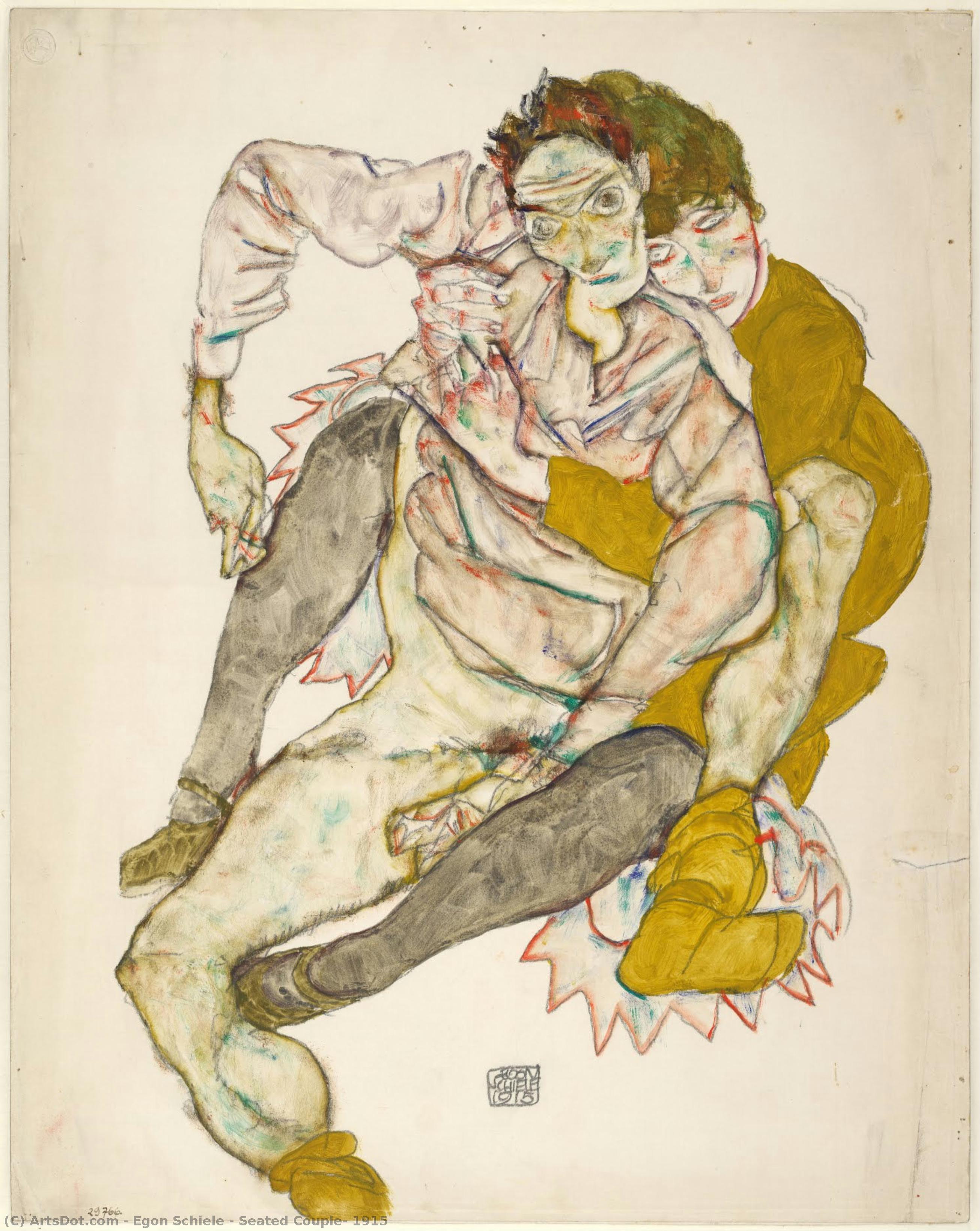
A Moment Frozen in Time: Exploring Egon Schiele’s “Seated Couple”
The painting "Seated Couple," completed in 1915 by Austrian Expressionist Egon Schiele, transcends mere depiction; it embodies a profound exploration of intimacy and vulnerability against the backdrop of a turbulent era. This striking watercolor captures two figures seated close together, their bodies intertwined in an embrace that speaks volumes about unspoken emotions—a gesture simultaneously comforting and fraught with anxiety. The artist’s masterful use of bold lines and vibrant hues contributes to the painting's arresting visual impact, drawing viewers into a scene brimming with psychological intensity.
Style and Technique: Expressionist Boldness
Schiele’s signature style is instantly recognizable – characterized by angular figures rendered in simplified forms, conveying raw emotion rather than precise anatomical accuracy. He eschewed traditional academic conventions, prioritizing expressive distortion to communicate inner turmoil. The watercolor medium itself lends an ethereal quality to the composition, allowing for subtle gradations of color and creating a sense of immediacy that captures the fleeting nature of human connection. Notice how Schiele employs hatching and cross-hatching techniques to sculpt form and texture, emphasizing the contours of the figures’ bodies and conveying a palpable tension beneath the surface calm.
Historical Context: Vienna at the Precipice
“Seated Couple” was created during a period of significant artistic ferment in Vienna—a city grappling with anxieties surrounding World War I and burgeoning modernist ideas. Schiele's work reflects this intellectual climate, aligning with the Expressionist movement’s preoccupation with psychological realism and its rejection of idealized beauty. The painting’s unsettling gaze and compressed posture resonate with the pervasive sense of unease that gripped Europe at the time, hinting at anxieties about sexuality, mortality, and the fragility of relationships amidst societal upheaval.
Symbolism: Intimacy and Uncertainty
Beyond its formal qualities, “Seated Couple” is laden with symbolic significance. The seated position itself represents closeness and vulnerability—a desire for connection tempered by apprehension. The woman’s averted gaze suggests a hidden emotion or perhaps a reluctance to confront the intimacy of the moment. Schiele's deliberate cropping emphasizes the figures' isolation within their surroundings, amplifying the painting’s emotional core. The watercolor’s luminous palette contributes to this feeling of vulnerability, mirroring the delicate balance between comfort and fear inherent in human relationships.
Emotional Impact: A Portrait of Inner Struggle
Ultimately, “Seated Couple” succeeds in conveying a powerful emotional resonance. It's not merely a depiction of two people sitting together; it’s an exploration of unspoken desires, anxieties, and the complexities of human experience. The painting compels viewers to contemplate themes of love, loss, and the inescapable awareness of mortality—subjects central to Schiele’s artistic vision. Reproductions of this masterpiece offer a captivating glimpse into the artist's psyche and invite contemplation on the enduring questions surrounding intimacy and vulnerability.