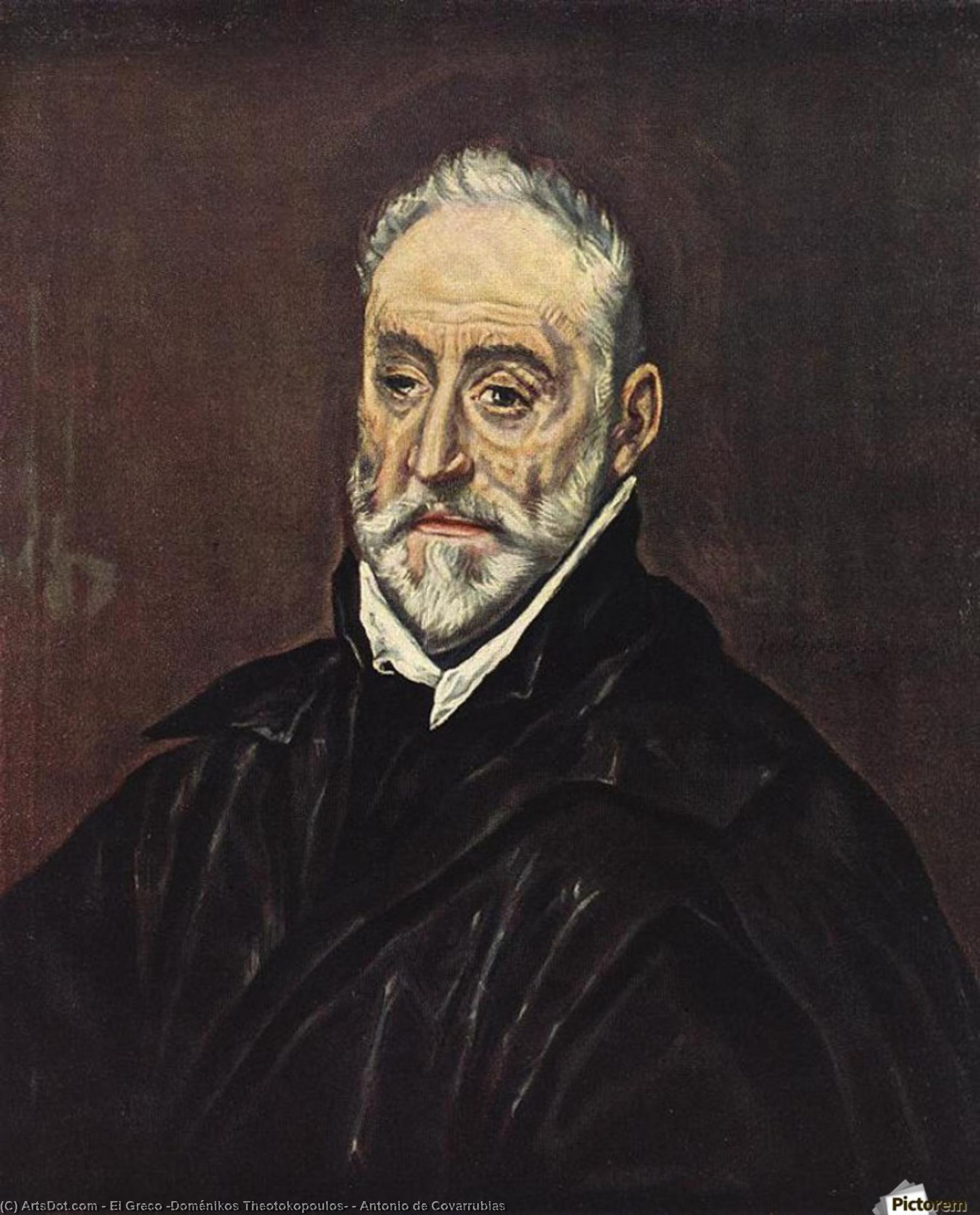
A Portrait of Dignified Resolve: Exploring El Greco’s Antonio de Covarrubias
Doménikos Theotokópoulos, universally recognized as El Greco – “the Greek” – stands apart in the annals of European art history. Born in Crete in 1541 amidst the Venetian dominion, his artistic odyssey traversed Venice and Rome before establishing itself firmly within the spiritual landscape of Toledo, Spain. This journey wasn’t simply geographical; it represented a transformative fusion of influences that birthed a style utterly inimitable – one that foreshadowed the emotional fervor of Expressionism and the fractured aesthetics of Cubism, anticipating movements decades later. His formative years steeped in Byzantine tradition instilled within him an unwavering dedication to meticulous detail and a profound grasp of religious iconography, shaping his artistic sensibilities from their earliest stages. Yet, El Greco refused to remain tethered to convention; he boldly embraced experimentation, signing his canvases with “Krḗs” – Cretan – as a defiant assertion of identity as he ventured into uncharted artistic realms.
- Subject Matter: The painting depicts Antonio de Covarrubias, a prominent Spanish nobleman and humanist scholar. His dignified pose embodies the ideals of Renaissance humanism—reason, intellect, and virtue—values central to El Greco’s worldview.
- Style: El Greco's distinctive style is characterized by elongated figures, dramatic lighting, and ethereal backgrounds. These stylistic choices elevate the portrait beyond mere representation, transforming it into a vehicle for conveying spiritual contemplation and emotional depth.
Technique and Material Considerations
El Greco’s masterful technique involved layering thin glazes of oil paint over preparatory underdrawings—a method common in Venetian painting but pushed to extraordinary heights by El Greco. This painstaking process allowed him to achieve luminous colors and subtle gradations, creating an illusionistic depth that defies the limitations of traditional portraiture. The use of tempera pigments for the initial sketch provided stability and ensured accurate tonal values before the glazing technique was applied. Furthermore, the muted browns and greens of the background wall contribute to the overall atmosphere of solemnity and introspection—a deliberate choice designed to emphasize Covarrubias’s contemplative gaze.
Historical Context: Toledo and Renaissance Humanism
Painted in 1594, Antonio de Covarrubias reflects the intellectual currents of the Spanish Renaissance, specifically the humanist movement championed by figures like Erasmus and Pico della Mirandola. This era witnessed a renewed interest in classical learning and philosophy alongside a fervent devotion to Christian faith—a duality that finds expression in El Greco’s artistic vision. Toledo, chosen as El Greco's studio location, served as a bastion of Catholicism during the Reformation, fostering an environment conducive to spiritual contemplation and artistic innovation. The painting speaks to this cultural milieu, portraying Covarrubias not merely as an individual but as a representative of humanist ideals striving for moral excellence.
Symbolism and Emotional Impact
The stern gaze of Antonio de Covarrubias is imbued with symbolic significance—representing fortitude, wisdom, and unwavering conviction. The white collar symbolizes nobility and piety, reinforcing the portrait’s message of virtue and intellectual pursuit. El Greco's expressive brushstrokes convey a palpable sense of inner turmoil mingled with serene contemplation, capturing the complexities of human experience. More than just a likeness, Antonio de Covarrubias is an embodiment of spiritual aspiration—a testament to El Greco’s ability to transform visual representation into profound emotional resonance. It invites viewers to contemplate themes of faith, intellect, and moral responsibility, leaving an indelible impression on anyone who encounters its captivating beauty.