A Vision of Serenity Amidst Suffering
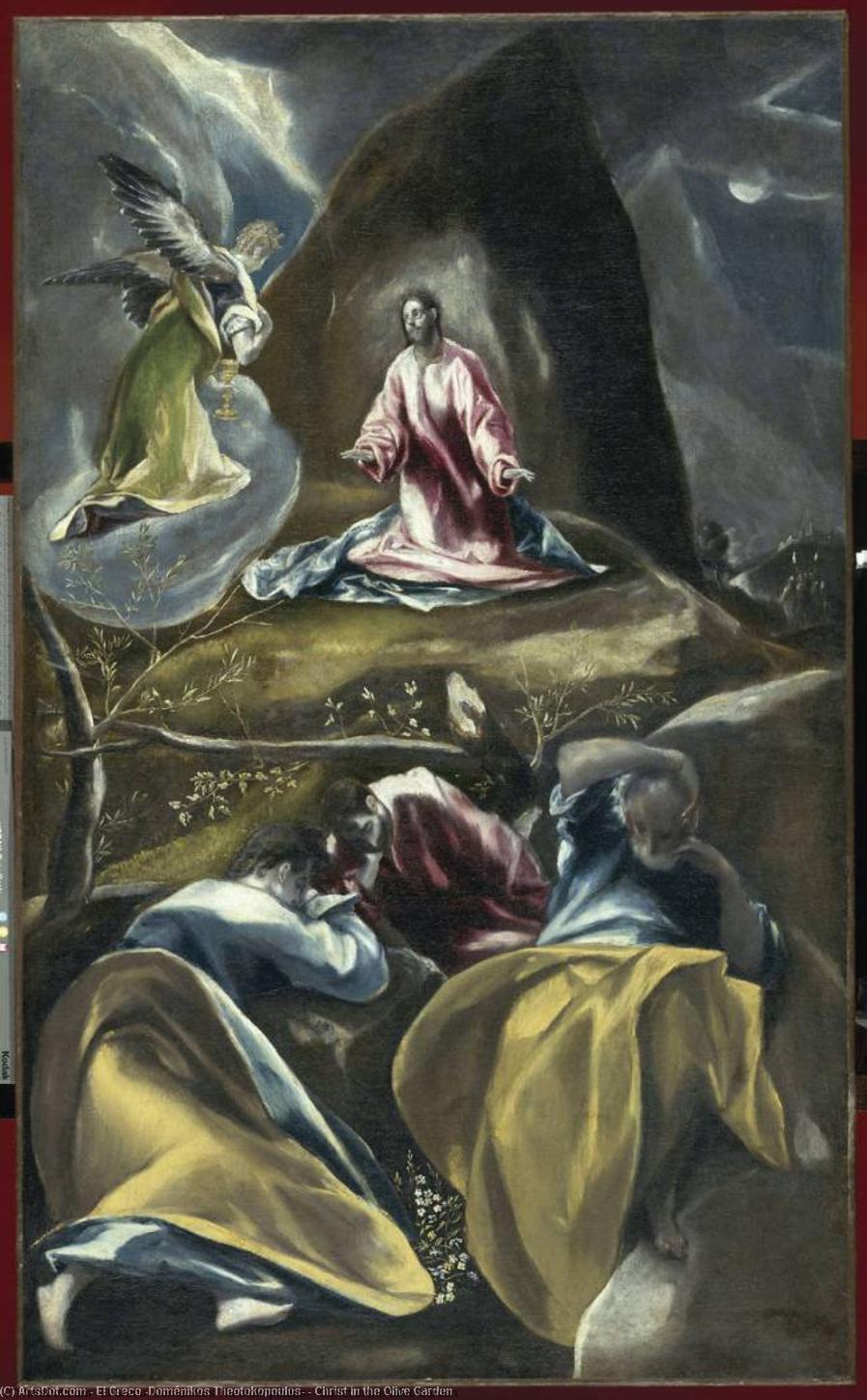
In the quiet, shadowed depths of El Greco’s “Christ in the Olive Garden,” viewers are invited into a realm where the boundaries between the earthly and the divine begin to dissolve. This masterpiece, painted around 1600, captures a moment of profound spiritual tension, presenting a poignant juxtaposition of divine majesty and human vulnerability. Within an ethereal olive garden that seems to pulse with its own supernatural light, Jesus Christ is depicted amidst a scene of deep contemplation. The setting is not merely a landscape but a sacred stage where the weight of sacrifice meets the promise of peace. As one gazes upon the canvas, the atmosphere of Toledo’s spiritual landscape—a city defined by intense Catholic piety during the Counter-Reformation—becomes palpable, offering a meditative window into the soul of the late Renaissance.
The composition is anchored by a sense of profound sorrow and humility. On the ground, three figures lie prone, their postures conveying a heavy, rhythmic grief that mirrors the central figure's own impending sacrifice. Believed to be Saint Mary Magdalene, Saint John the Evangelist, and Nicodemus, these figures symbolize the universal themes of repentance and the acceptance of salvation. Their presence adds a layer of human intimacy to the divine drama, grounding the celestial vision in recognizable human emotion. The olive trees themselves serve as powerful symbols; within Christian tradition, they represent hope, resurrection, and the enduring nature of peace, providing a symbolic anchor that connects the suffering of the moment to the eternal triumph of faith.
The Mastery of Mannerist Innovation
To behold this work is to witness the height of Mannerism, a style where El Greco deliberately departed from the balanced proportions of the High Renaissance to pursue a more expressive, spiritual truth. The artist employs elongated figures and distorted perspectives that seem to stretch toward the heavens, creating a sense of upward motion and spiritual yearning. This was not an error in anatomy but a deliberate aesthetic choice intended to convey inner turmoil and religious fervor. Through vibrant, almost unnatural colors and a flickering light, El Greco creates an otherworldly glow that illuminates the drapery and facial expressions, capturing subtle nuances of emotion that transcend mere visual representation.
The technical execution of this oil on canvas is nothing short of masterful. El Greco utilized a sophisticated layering process, employing both delicate glazes and thick impasto to build a rich, tactile texture. This technique allows light to interact with the surface of the painting in a way that creates a luminous, vibrating effect, as if the figures themselves are radiating light from within. For the discerning collector or interior designer, such a piece offers more than just visual beauty; it provides a profound emotional resonance. A high-quality reproduction of this work brings a sense of historical depth and sophisticated drama to any space, serving as a focal point that invites quiet reflection and celebrates the enduring power of artistic genius.