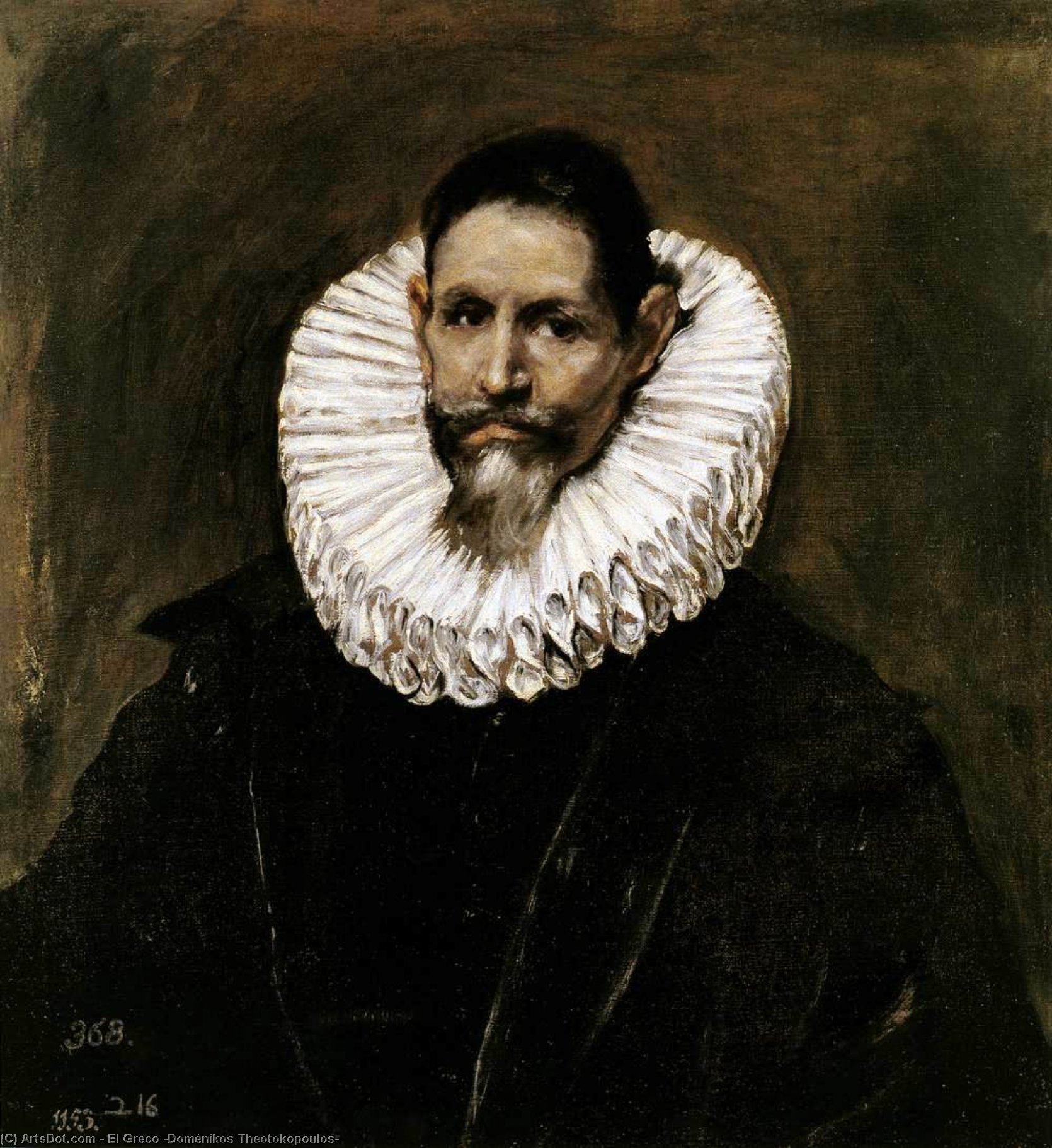
Admire El Greco's 'Portrait of Jerónimo de Cevallos' (1613), a masterful Mannerist painting housed at the Prado Museum. Witness intricate detail & regal poise in this captivating portrait.
Explore El Greco's dramatic art! Discover Mannerist masterpieces, religious scenes & elongated figures. A pioneer of Expressionism & Cubism – view his iconic paintings!
Portrait of Jeronimo de Cevallos: A Masterpiece of Mannerism
The Portrait of Jerónimo de Cevallos, painted by El Greco (Doménikos Theotokopoulos) in 1613, stands as a testament to the artist’s unparalleled skill and unwavering dedication to capturing human emotion within the confines of formal artistic conventions. Measuring 65 x 54 cm and currently residing at the Museo del Prado in Madrid, this oil on canvas artwork transcends mere representation; it embodies the spirit of Mannerism—a stylistic movement that prioritized expressive distortion and psychological depth over strict adherence to Renaissance ideals.
### Subject Matter and Context
The painting depicts Jerónimo de Cevallos, a distinguished jurist of natural law who frequently traveled to Toledo for legal business as a secretary and councillor for the city. Beyond his professional accomplishments, Cevallos held a significant place in El Greco’s personal life—he was the patron and protector of Jorge Manuel, El Greco's son. Originally intended for display within the Quinta del Duque del Arco – a lavish suite of rooms in the Royal Palace of El Pardo – the portrait reflects the opulent tastes of the Spanish monarchy during its Golden Age. The deliberate positioning of Cevallos’ gaze directly toward the viewer underscores the artist’s intention to engage the spectator emotionally, inviting contemplation and conveying an aura of dignified composure.
### Artistic Influences and Technique
El Greco's stylistic approach was profoundly shaped by his exposure to Venetian artistic traditions, particularly Titian’s masterful use of color and luminosity. This influence is subtly evident in the muted palette of the background—a deliberate choice designed to heighten the prominence of Cevallos’ figure. The artist skillfully employs elongated proportions and dramatic lighting – hallmarks of Mannerist technique – to create a sense of dynamism and psychological tension. Notice how El Greco utilizes sfumato, a blurring technique that softens contours and blends colors seamlessly, contributing to the painting's ethereal quality. Furthermore, the meticulous rendering of Cevallos’ facial features—characterized by subtle distortions and expressive shading—demonstrates El Greco’s mastery over anatomical detail while simultaneously conveying inner emotion.
### Symbolism and Emotional Impact
The ruffled collar worn by Cevallos serves as a visual symbol of social status and authority, reflecting the aristocratic milieu in which he operated. The dominant color scheme – primarily white and red – evokes associations with purity and nobility respectively, reinforcing the portrait’s overarching message of dignity and refinement. El Greco's masterful execution captures not only the physical likeness of Cevallos but also his inner spirit—a quiet contemplation that speaks to the enduring human desire for introspection and understanding. The painting continues to resonate with viewers today as a poignant reminder of artistic brilliance and its ability to transcend temporal boundaries.
### Notable Works by El Greco & Conclusion
Considered alongside other seminal works such as “The Burial of the Count of Orgaz,” “The Immaculate Conception with Saint John the Evangelist,” and “The Tears of Saint Peter,” “Portrait of Jerónimo de Cevallos” solidifies El Greco’s position as one of the most innovative artists of his era. Its presence at the Museo del Prado ensures that this captivating artwork remains accessible to art enthusiasts worldwide, inspiring admiration for its technical prowess and emotional depth. For those seeking a tangible connection to artistic heritage, ArtsDot offers meticulously crafted oil painting reproductions—allowing you to experience the beauty and grandeur of El Greco’s vision firsthand.