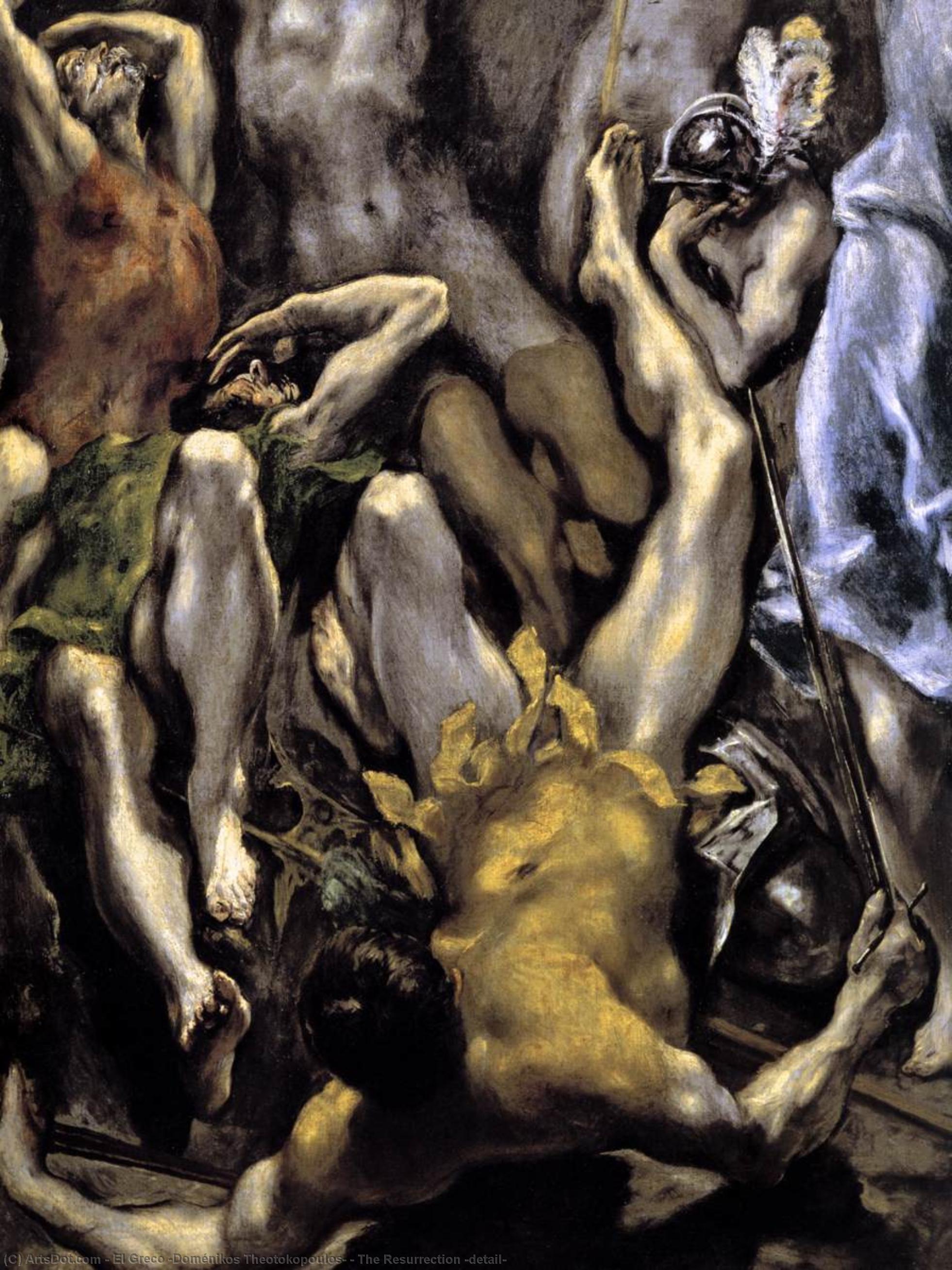
A Vision of Resurrection: Examining El Greco’s Dramatic Detail
Doménikos Theotokópoulos, universally known as El Greco – “the Greek” – stands apart from his contemporaries as a painter whose artistic journey transcended geographical boundaries and stylistic conventions. Born in Crete in 1541, under the dominion of Venice, he embarked on an odyssey that propelled him through Venetian ateliers and ultimately anchored him in the spiritual fervor of Toledo, Spain. This multifaceted artist didn’t simply absorb influences; he brilliantly synthesized them into a style that foreshadowed movements like Expressionism and Cubism centuries ahead of their time—a testament to his unparalleled creative vision. His formative years within the Byzantine tradition instilled in him an unwavering dedication to meticulous detail and a profound grasp of religious iconography, shaping the bedrock upon which his distinctive artistic explorations would flourish.
- Style: El Greco’s style is characterized by elongated figures, distorted perspectives, and vibrant colors—a deliberate departure from academic realism. This stylistic hallmark distinguishes him from other artists of his era and contributes to the painting's arresting emotional impact.
- Technique: Employing a technique known as “tenebrism,” El Greco skillfully utilized dramatic contrasts between light and dark, creating an ethereal atmosphere that intensifies the spiritual significance of the scene. This masterful manipulation of chiaroscuro draws viewers into the heart of the artwork’s narrative.
Historical Context: Toledo and Baroque Spirituality
Painted in 1596 during the height of the Spanish Baroque period, “The Resurrection” reflects the fervent religious piety prevalent at the time. Toledo served as a crucible for artistic innovation, attracting artists eager to express profound spiritual convictions through visual mediums. The painting’s setting—a walled city steeped in Catholic tradition—underscores the importance of faith and divine intervention within the artist's worldview.
Symbolism: Angels, Weapons, and Temporal Reflection
The composition itself is laden with symbolic resonance. Angels surrounding Jesus Christ represent divine grace and protection, while the weapons held by some figures symbolize resistance against evil forces—a visual metaphor for the ongoing struggle between good and bad. Notably, the inclusion of a clock on the wall serves as a poignant reminder of mortality and the fleeting nature of earthly existence, prompting contemplation about eternal life.
Emotional Impact: Capturing Divine Majesty
“The Resurrection” transcends mere depiction; it aspires to evoke profound emotion. El Greco’s masterful use of color and form conveys a palpable sense of awe and reverence—a testament to his ability to capture the sublime beauty of divine majesty. The painting's dramatic lighting and expressive gestures invite viewers into an immersive experience, fostering contemplation on themes of faith, hope, and redemption.