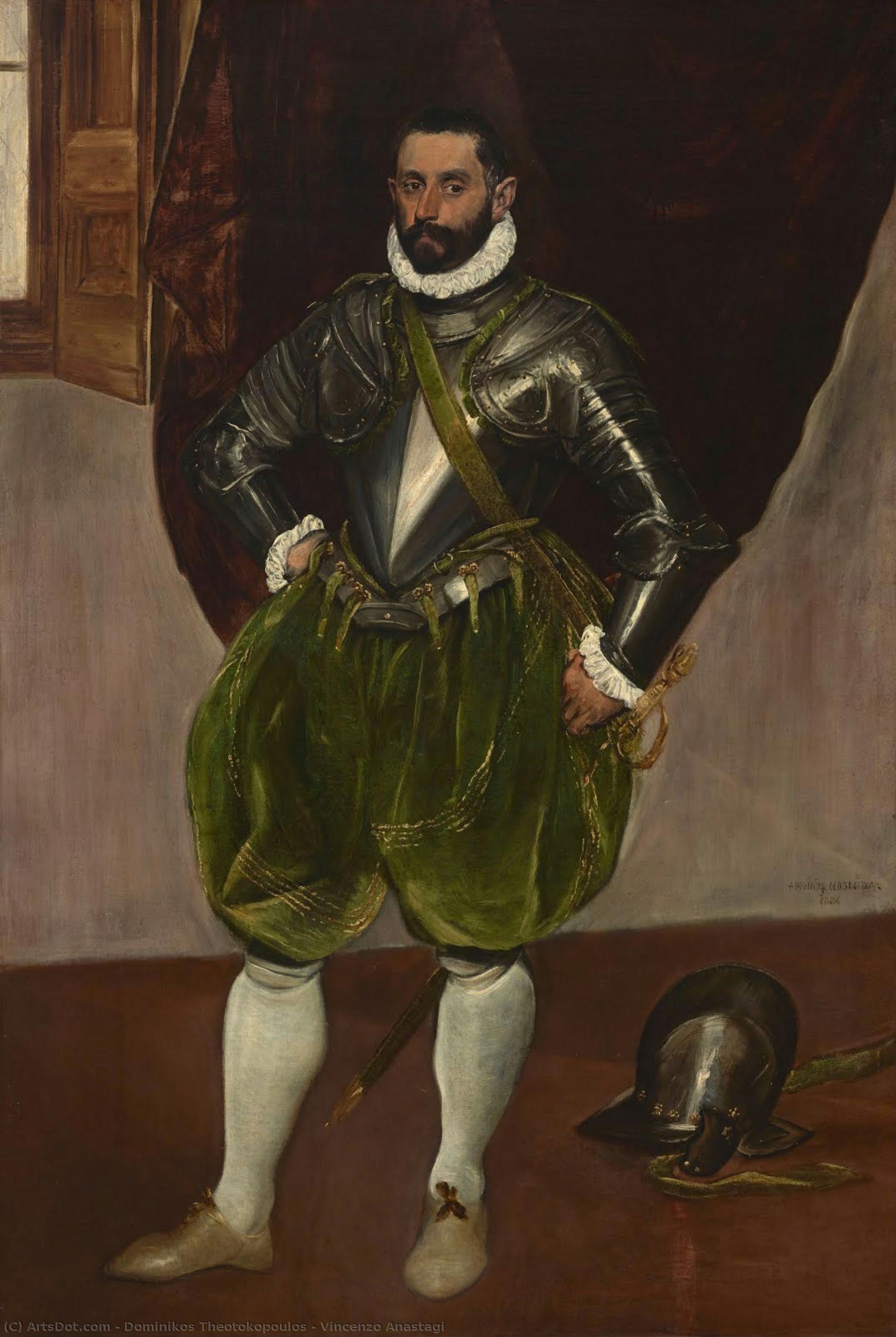
A Knight’s Dignity Captured in Light and Shadow
Doménikos Theotokópoulos, universally known as El Greco— “the Greek”—was a painter whose life and artistic output defied easy categorization. Born in Crete around 1541, then under Venetian rule, his journey took him through Venice and Rome before finding its final destination in the spiritual heartland of Spain: Toledo. El Greco wasn’t merely responding to stylistic trends; he fundamentally reshaped them, forging a style that anticipated the expressive fervor of Expressionism and the fractured forms of Cubism centuries ahead of their time. His formative years spent within the Byzantine tradition instilled in him an unwavering dedication to meticulous detail and a profound understanding of religious iconography—a foundation that wouldn’t confine his ambition. He signed his canvases with Greek, appending “Krḗs”—Cretan—as a defiant assertion of identity, even as he embraced new artistic horizons. The genesis of El Greco's distinctive style resided in the confluence of influences from both East and West, resulting in an unparalleled visual language.
- Subject Matter: This portrait depicts Vincenzo Anastagi, a Knight of Malta who played a pivotal role in defending Malta against the Ottoman siege of 1565. The depiction captures him in a moment of solemn contemplation before a window—a deliberate choice reflecting the artist’s preoccupation with spiritual themes and conveying an aura of nobility and responsibility.
- Style: El Greco's style is instantly recognizable for its elongated figures, ethereal drapery, and dramatic use of chiaroscuro – the interplay between light and dark – techniques borrowed from Byzantine art but radically transformed to express intense emotion. The artist’s approach prioritized conveying psychological depth over realistic representation.
- Technique: Executed in oil on canvas, Anastagi's portrait exemplifies El Greco’s mastery of pigment manipulation and layering. He employed a glazing technique—applying thin translucent layers of paint over previous coats—to achieve luminous effects and imbue the artwork with an otherworldly glow.
Historical Context: Toledo and Papal Patronage
Painted in 1575, Anastagi’s portrait emerged during El Greco's final years in Italy, specifically within the context of Toledo—a city steeped in religious fervor and serving as a favored residence for papal patrons. This commission underscores El Greco’s desire to align himself with influential figures and institutions, demonstrating his commitment to artistic excellence and furthering his reputation as one of Spain’s foremost painters. The portrait reflects the broader artistic climate of the period, characterized by an interest in portraying individuals with psychological complexity and conveying spiritual significance.
Symbolism: Light and Reflection – Representations of Faith
The window behind Anastagi serves as a powerful symbolic element—representing divine illumination and introspection. El Greco frequently utilized windows to symbolize enlightenment and the gaze of God, emphasizing the subject’s moral fortitude and spiritual devotion. The sword held by Anastagi symbolizes courage and defense of faith—a testament to his heroic contribution during the siege of Malta.
Emotional Impact: Intensity and Dignity
Anastagi's portrait transcends mere likeness; it communicates a profound sense of dignity, solemn contemplation, and inner strength. El Greco’s masterful rendering captures not only Anastagi’s physical appearance but also his psychological state—a gaze directed inward, conveying an unwavering conviction and embodying the artist’s signature blend of spirituality and dramatic expression. It is a piece that invites viewers to contemplate themes of honor, faith, and resilience – qualities deeply valued during El Greco's time and continuing to resonate with audiences today.