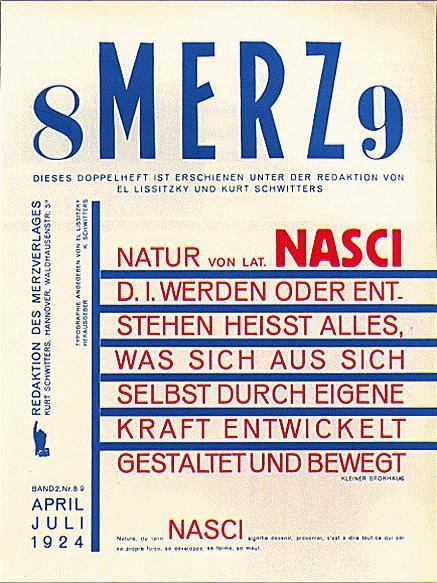
El Lissitzky’s iconic Merz' Magazine Layout, a groundbreaking Constructivist design from 1924, showcases bold typography and geometric forms reflecting the modernist movement. Discover this influential artwork and bring its timeless aesthetic into your space.
El Lissitzky’s Pioneering Vision: Merz' Magazine Layout (1924)
This striking poster, advertising El Lissitzky’s seminal Merz' Magazine, represents a watershed moment in the history of graphic design and a crucial expression of Constructivism. Created in 1924, just a year after its initial conception, the layout embodies Lissitzky’s revolutionary approach to art – one that sought to dismantle traditional representational forms and build new visual languages based on geometric abstraction and the fundamental elements of form. The poster isn't merely an advertisement; it’s a carefully constructed manifesto for a new aesthetic sensibility, reflecting the dynamism and intellectual ferment of the interwar period.
- Constructivist Principles: Lissitzky was a key figure in the Constructivist movement, which aimed to use art as a tool for social transformation. The Merz' Magazine layout exemplifies this with its emphasis on modularity, repetition, and the exploration of spatial relationships – core tenets of Constructivism.
- Typography as Architecture: Lissitzky’s masterful manipulation of typography elevates the text beyond mere communication to become an integral element of the composition. The bold, geometric lettering isn't just legible; it actively contributes to the overall structure and rhythm of the design.
- Color and Composition: The strategic use of blue, red, and white creates a powerful visual impact. Blue evokes feelings of stability and intellect, while red injects energy and dynamism. The carefully balanced composition – with its distinct sections – reflects Lissitzky’s belief in the power of rational organization.
A Window into the World of Merz
Merz' Magazine itself was a groundbreaking publication that sought to synthesize art, architecture, and design. It featured collages created by artists from around the world – hence the name “Merz,” derived from the German word for “mixture.” Lissitzky’s poster serves as an introduction to this vibrant and experimental project, showcasing the diverse range of materials and techniques employed within its pages. The layout anticipates the magazine's core concept: a dynamic, ever-evolving collage of images and text that challenged conventional notions of artistic creation.
- Collage Technique: The poster’s design directly reflects the collage technique used in the magazine. Lissitzky employed various materials – including paper, cardboard, and found objects – to create layered compositions that blurred the boundaries between different visual elements.
- International Collaboration: Merz' Magazine was a truly international project, bringing together artists from Russia, Germany, France, and beyond. The poster’s diverse imagery hints at this global exchange of ideas and influences.
Symbolism and the Pursuit of “Proun”
While seemingly straightforward, the Merz' Magazine layout contains subtle symbolic references to Lissitzky’s broader artistic concerns. The design anticipates his later development of the "Proun" series – a set of abstract paintings that explored the relationship between two-dimensional and three-dimensional space. The layered composition of the poster can be seen as a precursor to Proun, demonstrating Lissitzky's ongoing investigation into the fundamental principles of visual perception.
- Geometric Abstraction: The dominant use of geometric shapes – squares, rectangles, circles – reflects Lissitzky’s commitment to abstraction and his desire to strip away representational illusion.
- Spatial Dynamics: The overlapping and intersecting elements create a sense of spatial dynamism, suggesting movement and transformation – key themes in Lissitzky's work.
Emotional Impact and Artistic Legacy
The Merz’ Magazine Layout is more than just a visually arresting design; it’s a testament to El Lissitzky’s visionary thinking and his profound impact on the development of modern art and graphic design. Its bold simplicity, combined with its intellectual depth, continues to resonate today. A hand-painted reproduction offers an unparalleled opportunity to experience this pivotal work firsthand, bringing Lissitzky's revolutionary vision into your space.