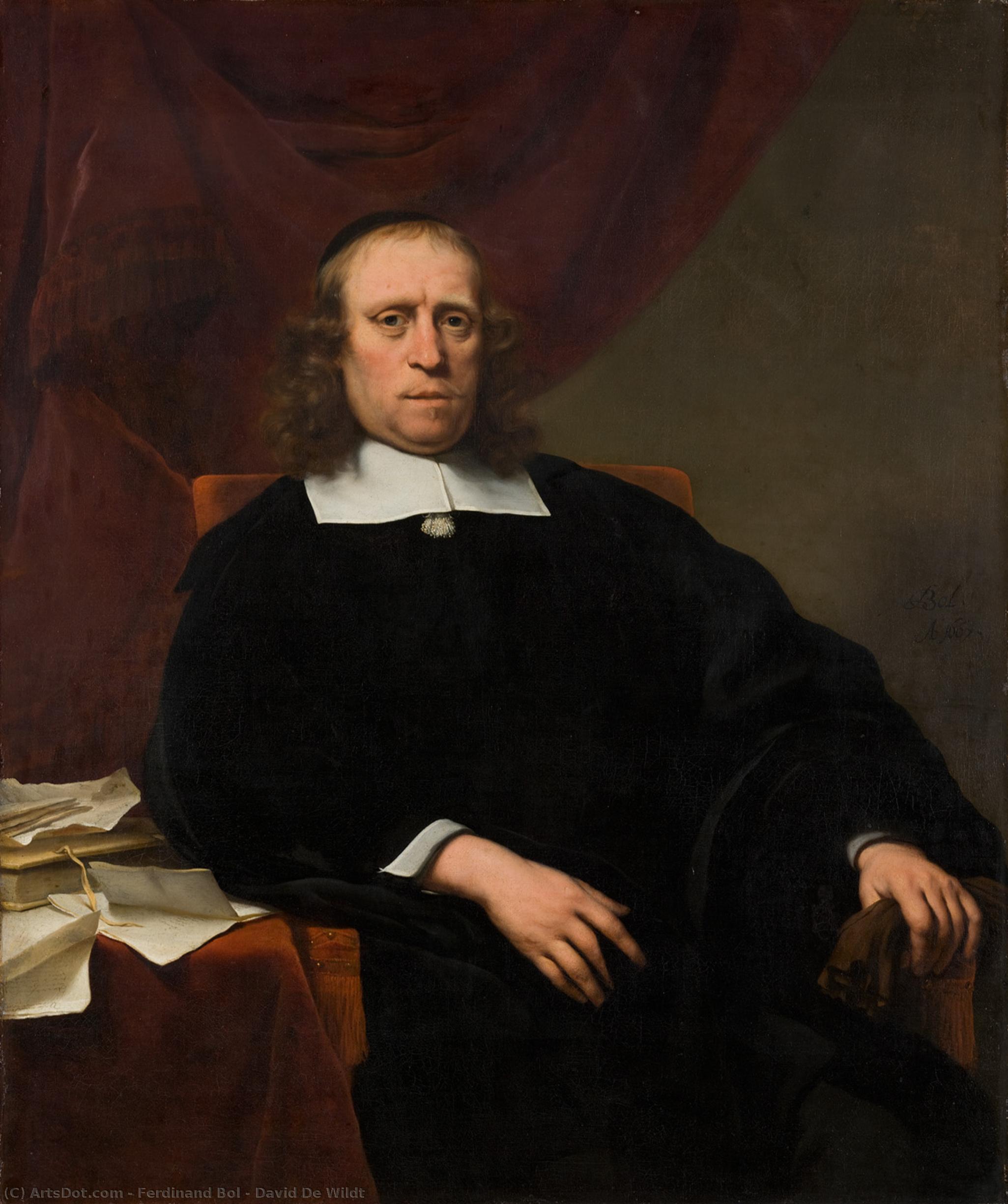
Ferdinand Bol (1616-1680) was a Dutch Baroque painter deeply influenced by Rembrandt. Renowned for historical scenes, striking portraits & dramatic light, he was a prominent Amsterdam artist. Explore his captivating, yet rare, artworks!
Rijksmuseum
(Amsterdam, Netherlands)
Explore Dutch art & history at the Rijksmuseum Amsterdam! Marvel at Rembrandt, Vermeer & Van Gogh masterpieces in an iconic landmark – a journey through 800 years of culture.
A Quiet Scholar Amidst Baroque Grandeur: Examining Ferdinand Bol’s “David De Wildt”
Ferdinand Bol, a figure often relegated to the footnotes of Dutch Golden Age art history, deserves a deeper appreciation for his contribution to the artistic landscape. While Rembrandt van Rijn commanded attention with dramatic chiaroscuro and emotive portraits, Bol carved out a distinct path—one characterized by meticulous realism and an uncanny ability to capture psychological nuance—particularly evident in works like “David De Wildt,” painted circa 1667.
- Subject Matter: The portrait depicts David De Wildt, a gentleman of considerable intellect, seated thoughtfully before a table laden with papers. This deliberate positioning speaks volumes about Bol’s artistic intention—to portray not merely appearance but also character and intellectual pursuits.
- Style & Technique: Bol's style firmly anchors itself within the Baroque tradition, yet diverges subtly from Rembrandt’s more overtly theatrical approach. The artist employs a masterful technique of sfumato – a hazy blending of tones – to soften contours and create an atmosphere of contemplative serenity. Fine details meticulously rendered in the subject’s face and clothing underscore Bol's commitment to realism, mirroring the exacting standards upheld by Rembrandt himself.
Bol’s apprenticeship under Rembrandt undoubtedly instilled a profound understanding of tonal modulation and psychological observation. However, “David De Wildt” transcends mere imitation; it embodies Bol’s own artistic sensibilities—a quiet confidence in conveying inner life through visual representation.
Historical Context & Artistic Influences
Painted during the height of Amsterdam’s cultural flourishing, “David De Wildt” reflects the broader preoccupation with humanist ideals prevalent at the time. The Baroque era championed grandeur and drama, yet Bol skillfully tempered these impulses with a sensitivity to human emotion. Rembrandt's influence is palpable in the subdued palette and masterful use of light—a hallmark of Rembrandt’s oeuvre—but Bol distinguishes himself through his nuanced portrayal of De Wildt’s gaze, conveying both seriousness and introspection.
- Location: Currently housed within the Rijksmuseum in Amsterdam, “David De Wildt” serves as a testament to Bol's enduring legacy. Its presence amongst other masterpieces underscores its significance within Dutch Baroque art history.
- Symbolism: The red curtain serving as backdrop is more than mere decorative element; it symbolizes prestige and formality—fitting for a portrait depicting a scholar of noble lineage.
Emotional Resonance & Artistic Legacy
"David De Wildt" transcends its formal constraints to evoke a powerful sense of contemplation and intellectual curiosity. Bol’s ability to capture the subtle expressions of thought—the furrowed brow, the steady gaze—demonstrates his profound understanding of human psychology. This portrait stands as an exemplar of Baroque realism, securing Bol's place amongst the most accomplished artists of his era.
Its enduring appeal lies in its quiet dignity and its invitation to contemplate the complexities of intellect and character – qualities that continue to resonate with viewers today. Bol’s meticulous technique and masterful composition solidify “David De Wildt” as a cornerstone of Dutch Baroque art, ensuring its continued fascination for generations to come.