Ferdinand Bol (1616-1680) was a Dutch Baroque painter deeply influenced by Rembrandt. Renowned for historical scenes, striking portraits & dramatic light, he was a prominent Amsterdam artist. Explore his captivating, yet rare, artworks!
Rijksmuseum
(Amsterdam, Netherlands)
Explore Dutch art & history at the Rijksmuseum Amsterdam! Marvel at Rembrandt, Vermeer & Van Gogh masterpieces in an iconic landmark – a journey through 800 years of culture.
A Quiet Dignity: Ferdinand Bol’s Portrait of a Man
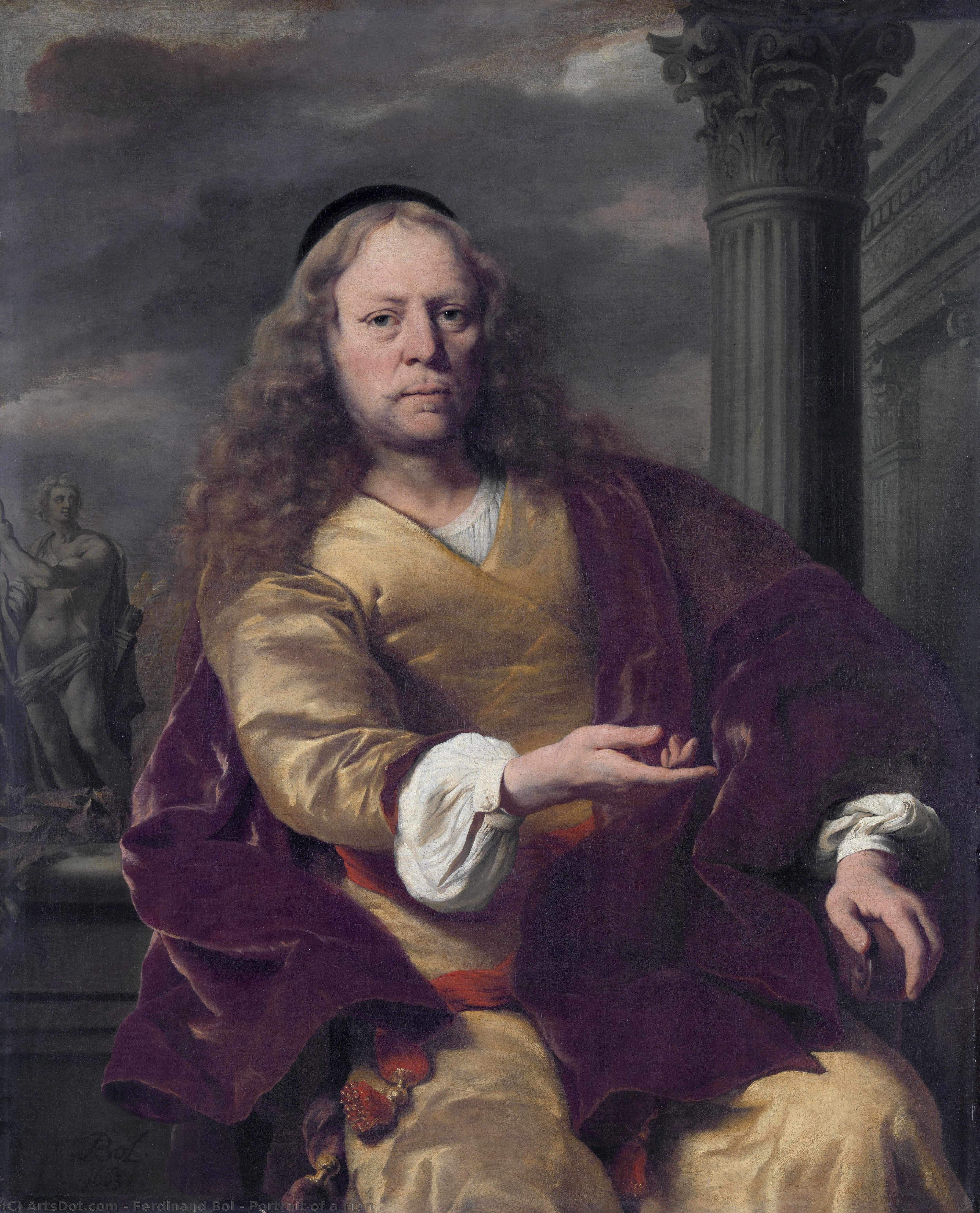
Ferdinand Bol, despite his relative obscurity compared to the titans of Rembrandt and Vermeer, stands as a cornerstone of Dutch Golden Age portraiture—a testament to understated brilliance and masterful observation. This captivating depiction, completed in 1663, transcends mere likeness; it embodies the spirit of its era and speaks volumes about humanist ideals prevalent during the period. Bol’s artistic journey began under Rembrandt's tutelage in Amsterdam, an association that instilled within him a profound understanding of chiaroscuro—the dramatic interplay of light and shadow—a technique undeniably reminiscent of Rembrandt’s groundbreaking style. However, Bol swiftly distinguished himself as an independent artist, forging his own path while retaining the foundational principles learned from his mentor.
- Subject Matter & Composition: The portrait presents a man seated with dignified posture, gazing directly at the viewer—a gesture that conveys confidence and invites contemplation. Two statues flanking him contribute to a carefully balanced composition, anchoring the figure within a classical framework indicative of humanist thought. A chair positioned subtly in the lower left corner adds depth to the scene.
- Style & Technique: Bol’s brushwork is characterized by meticulous detail and subtle tonal gradations—a hallmark of his distinctive style. He skillfully employs chiaroscuro, expertly manipulating light to sculpt the man's face and torso, highlighting musculature and conveying an impression of inner strength. The muted palette – predominantly yellows and reds – reinforces the solemn mood.
- Historical Context: Painted during Bol’s formative years, this portrait reflects the burgeoning interest in humanism and scientific inquiry that characterized the Dutch Golden Age. Statues like those depicted served as symbols of intellectual aspiration and civic virtue—values championed by thinkers such as Descartes and Spinoza.
- Symbolism: The red sash around the man’s neck symbolizes honor and nobility, reflecting the social status of its subject. The object held in his hand remains unidentified but could represent a symbol of profession or personal significance – an element that invites speculation and adds to the portrait's enigmatic allure.
- Emotional Impact: Bol achieves remarkable psychological realism, capturing not just physical appearance but also conveying a sense of inner seriousness. The man’s gaze commands attention, prompting viewers to consider his thoughts and emotions—a feat accomplished through masterful use of light and shadow and subtle facial expressions.
Further Exploration & Artistic Legacy
The Rijksmuseum Amsterdam houses a stunning reproduction of “Portrait of a Man,” allowing visitors to appreciate Bol’s artistry firsthand. Examining this piece alongside Rembrandt's oeuvre illuminates the evolution of portraiture during the Golden Age and underscores Bol’s contribution to establishing a new standard for artistic excellence. Consider commissioning a high-quality print from ArtsDot.com to bring this timeless masterpiece into your home or workspace—a beautiful reminder of Dutch artistic heritage.