Discover Fernand Léger (1881-1955): Pioneer of Cubism & 'Tubism'! Explore bold paintings celebrating modern life, machinery, and the human form – a key forerunner to Pop Art.
A Symphony of Form and Texture: Exploring Fernand Léger’s “Nude Model in the Studio”
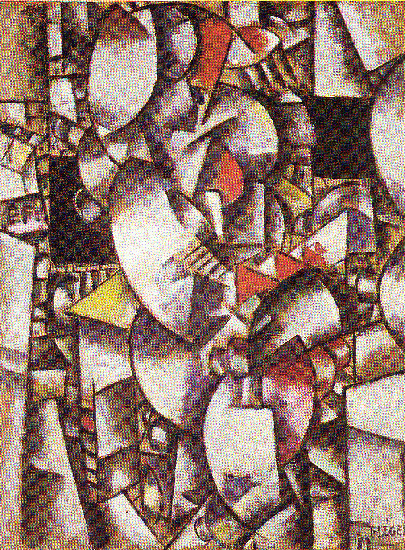
Fernand Léger's "Nude Model in Studio," completed between 1912 and 1913, stands as a cornerstone of Cubist painting—a movement that irrevocably shattered traditional artistic conventions and ushered in an era of radical experimentation. More than just a depiction of the human figure; it’s a meticulously crafted manifesto of modernity itself, embodying Léger's profound fascination with industrial processes and his desire to translate their geometric rhythms onto canvas. The artwork resides at the Solomon R. Guggenheim Museum in New York City, ensuring its enduring presence within the global art canon.
The Genesis of Geometric Abstraction
Léger’s artistic trajectory began amidst the fertile soil of Normandy's agricultural traditions—a stark contrast to the burgeoning urban landscape of Paris. Initially drawn to architecture, he swiftly transitioned to painting, immersing himself in the burgeoning avant-garde circles that championed new visual languages. Influenced by Cézanne and Picasso, Léger embraced Cubism’s revolutionary approach: dismantling objects into fragmented planes and presenting multiple perspectives simultaneously. Unlike Picasso's explorations of psychological depth, Léger prioritized capturing the *visual* impact of mechanized forms—the repetitive patterns of factory floors, the angularity of machine components—transforming them into pulsating geometric abstractions.
Technique and Material Innovation
The painting’s execution is characterized by a masterful blend of oil paint and collage techniques. Léger painstakingly applied thick impasto strokes—heavy layers of pigment—creating palpable textural surfaces that mimic the roughness of industrial materials. These textured planes are punctuated by meticulously adhered fragments of corrugated cardboard, mirroring the ubiquitous presence of corrugated boxes in urban environments. This innovative use of collage wasn’t merely decorative; it served as a deliberate symbolic gesture, grounding Léger's abstract explorations in tangible realities—a conscious effort to bridge the gap between art and everyday life. The artist’s meticulous attention to detail underscores his commitment to conveying not just visual information but also emotional resonance.
Symbolism Embedded Within Geometric Precision
Beyond its formal qualities, “Nude Model in Studio” is laden with symbolic significance. Léger deliberately positioned a nude female figure—a recurring motif throughout his oeuvre—within the confines of a studio space dominated by geometric shapes and textures. This juxtaposition speaks to Léger’s preoccupation with reconciling femininity and industrial progress—suggesting that beauty and creativity could coexist alongside technological advancement. The bird perched atop the canvas adds another layer of interpretation, representing freedom and aspiration—a visual embodiment of Léger's belief in humanity's capacity for transcendence amidst the constraints of the machine age.
Emotional Resonance: Capturing the Spirit of an Era
Ultimately, “Nude Model in Studio” transcends mere representation; it communicates a profound emotional response to its subject matter. The painting’s assertive geometric forms convey a sense of dynamism and energy—reflecting Léger's conviction that art should capture the pulse of contemporary experience. Simultaneously, the textured surfaces evoke tactile sensations—drawing viewers into the materiality of the artwork and fostering an intimate connection with its visual language. It is precisely this fusion of formal precision and emotional depth that secures Léger’s place as one of the most influential artists of the early 20th century—a visionary who dared to reimagine art's role in shaping our understanding of the world around us.