A Moment of Reverent Contemplation: Analyzing Filippino Lippi’s Annunciation Detail
The fresco “Annunciation” by Filippo Lippi, executed in 1489 and housed within Santa Maria sopra Minerva in Rome, stands as a cornerstone of High Renaissance artistic achievement. While the entirety of the chapel’s decoration is breathtaking, this particular detail—focusing on Mary—captures an essence of spiritual grace that continues to resonate with viewers centuries later. It's more than just paint; it’s a distillation of humanist ideals and theological contemplation into visual form.
- Subject Matter: The fresco depicts the pivotal biblical narrative – Gabriel announcing to Mary that she will conceive Jesus Christ, marking the beginning of Christian theology. This scene embodies themes of divine grace, humility, and faith—concepts central to Renaissance humanism’s exploration of human potential alongside God’s influence on earthly affairs.
- Style: Lippi adheres rigorously to the stylistic conventions established by Leonardo da Vinci and Michelangelo, reflecting the prevailing artistic sensibilities of his time. The composition is carefully balanced, prioritizing clarity and harmonious proportions—a hallmark of Renaissance aesthetics designed to elevate the viewer's experience beyond mere visual pleasure.
- Technique: Employing fresco painting – a technique utilizing pigments mixed with lime plaster – Lippi achieved remarkable durability and luminosity. This method allowed for subtle gradations of color and shading, creating an illusionistic depth that convincingly portrays the figures within their architectural setting. The meticulous layering of paint demonstrates unparalleled skill in mastering the medium’s complexities.
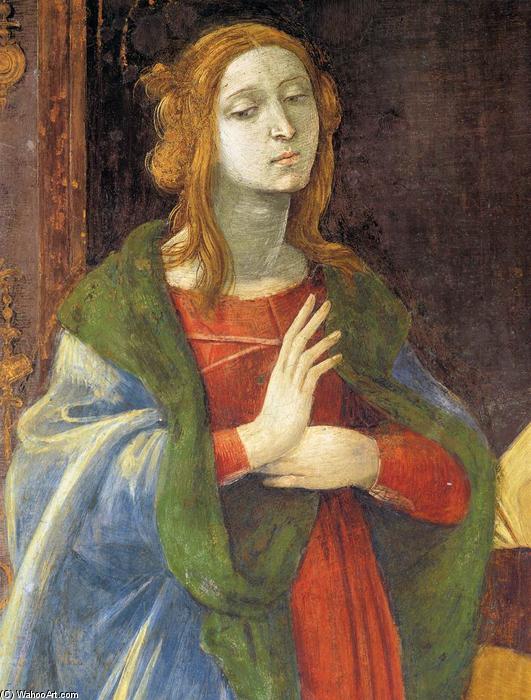
The depiction of Mary herself is particularly noteworthy. Her head tilts slightly downwards as she gazes upon Gabriel, conveying a palpable sense of surprise mingled with profound reverence. Lippi skillfully captures this emotion through nuanced facial expressions and subtle gestures—elements that underscore the importance of psychological realism within Renaissance art. The artist’s attention to detail extends beyond mere representation; he strives to convey Mary's inner state, inviting contemplation on themes of divine revelation and human humility. Her flowing red hair cascades around her shoulders, symbolizing purity and royal dignity – traditions rooted in Christian iconography. The drapery is rendered with exquisite precision, utilizing folds and creases that contribute to the fresco’s overall textural richness.
- Symbolism: Color plays a crucial role in conveying symbolic meaning. Mary's crimson robe represents her virginity and divine grace, while the emerald cloak symbolizes hope and resurrection—references to biblical prophecies concerning Christ’s incarnation. The azure mantle held before her signifies heavenliness and spiritual transcendence.
- Historical Context: Created during Lorenzo de Medici’s reign in Florence, “Annunciation” reflects the burgeoning humanist spirit of the era, which championed classical learning alongside Christian faith. Lippi's work stands as a testament to the artistic fervor of the Renaissance—a period characterized by unprecedented innovation and ambition in visual arts.
Ultimately, Filippino Lippi’s Annunciation detail transcends mere depiction; it embodies an ideal of spiritual beauty that continues to inspire artists and collectors alike. The painting's serene atmosphere and masterful execution invite viewers to engage with profound theological concepts—a legacy that secures its place as one of the most enduring masterpieces of High Renaissance art. Its impact on subsequent artistic traditions is undeniable, demonstrating the power of visual art to communicate complex ideas and evoke powerful emotions.