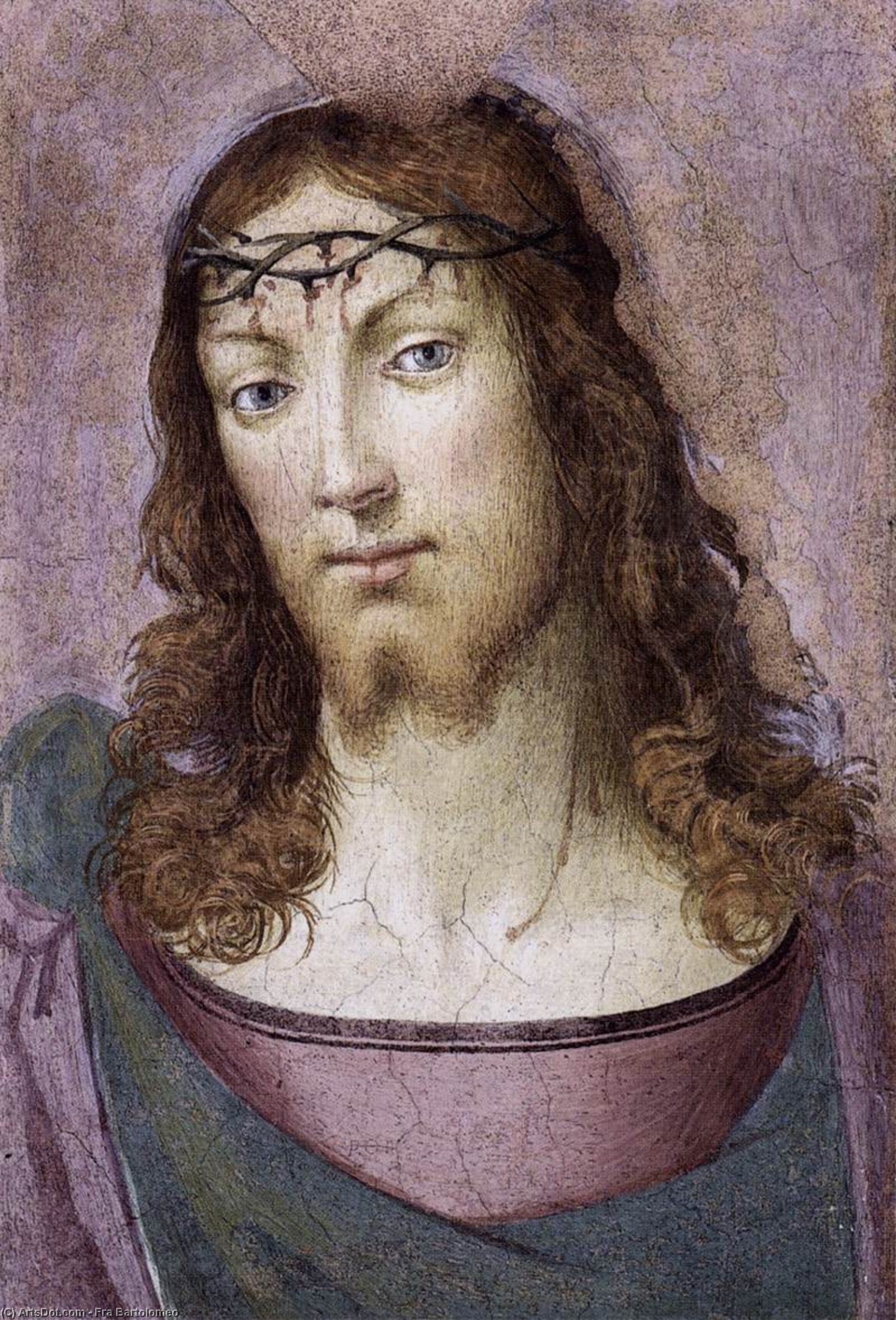
Fra Bartolomeo’s Christ Crowned with Thorns: A Study in Serene Suffering
Fra Bartolomeo’s “Christ Crowned with Thorns,” completed around 1507, stands as a testament to the artist's mastery of High Renaissance portraiture and his profound engagement with theological contemplation. Held within the Museo Nazionale di San Marco in Florence—a treasure trove of Florentine art—this painting transcends mere visual representation; it embodies an ethos of dignified sorrow and spiritual introspection that continues to resonate with viewers today.
- Subject Matter: The artwork depicts Jesus Christ, crowned with thorns by Roman soldiers after his arrest in Jerusalem. This iconic image from the Passion narrative captures a pivotal moment of humiliation and sacrifice—a theme central to Christian theology.
- Style & Technique: Bartolomeo’s style aligns seamlessly with the prevailing artistic currents of his time, demonstrating an unwavering commitment to anatomical accuracy and naturalistic observation. He skillfully employs “sfumato,” a technique pioneered by Leonardo da Vinci, layering thin glazes of paint to achieve remarkable tonal subtlety and depth. The resulting surface possesses a velvety texture punctuated by delicate brushstrokes—a hallmark of Renaissance painting that elevates the artwork beyond simple depiction.
- Historical Context: Painted during Savonarola’s fervent crusade against artistic idolatry in Florence, “Christ Crowned with Thorns” reflects the artist's own spiritual convictions. Bartolomeo’s workshop was under Savonarola’s influence, and he sought to convey a solemn reverence for religious iconography—a reaction to the perceived excesses of contemporary art.
- Symbolism: The composition is laden with symbolic significance. The serene expression on Christ's face contrasts sharply with the violent intent of the soldiers surrounding him, emphasizing his unwavering fortitude in the face of adversity. The crown of thorns itself serves as a potent reminder of suffering and redemption—a central motif within Christian scripture.
- Emotional Impact: Viewing “Christ Crowned with Thorns” evokes a palpable sense of solemnity and dignity. Bartolomeo’s masterful rendering captures not merely the physical act of crowning but also the profound spiritual essence of Christ's sacrifice—inspiring contemplation on themes of compassion, humility, and divine grace.
The painting’s enduring appeal lies in its ability to communicate complex theological ideas through deceptively simple visual elements. Bartolomeo’s meticulous attention to detail—from the precise delineation of facial features to the subtle gradations of color—underscores his artistic genius and cements “Christ Crowned with Thorns”' place as a cornerstone of Florentine Renaissance art.
Its presence in the Museo Nazionale di San Marco ensures that this masterpiece continues to inspire awe and contemplation for generations to come.