A Vision of Italian Romanticism – The Heart of Hayez’s “The Kiss”
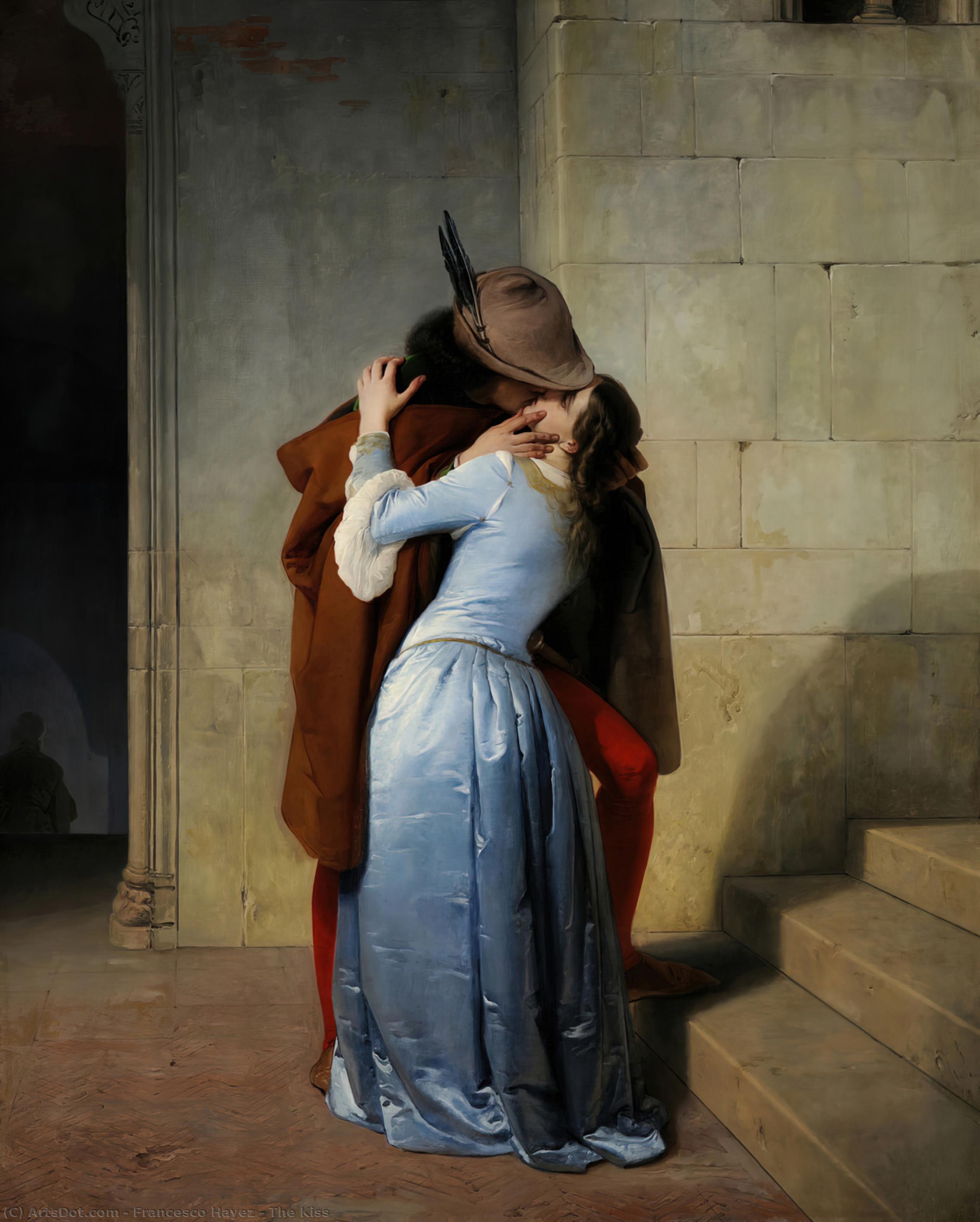
Francesco Hayez's "The Kiss," painted in 1859, isn’t merely a depiction of a romantic embrace; it’s a potent distillation of the Italian Romantic movement and a poignant reflection of the Risorgimento – Italy’s struggle for unification. This iconic work transcends its immediate subject matter to become a symbol of passionate longing, patriotic fervor, and the enduring power of love amidst turmoil. Commissioned by Alfonso Maria Visconti di Saliceto, it quickly gained recognition and was later entrusted to the prestigious Pinacoteca di Brera in Milan, where it continues to captivate viewers with its emotional depth and technical brilliance. Hayez masterfully employed a Venetian-influenced style, characterized by rich color palettes, dramatic lighting, and an emphasis on emotive storytelling – elements that firmly establish “The Kiss” as a cornerstone of Italian art history.

The Scene Unfolds: Composition, Setting, and Narrative
At first glance, “The Kiss” presents a seemingly simple tableau – a young man about to depart, embracing a woman in a moment of profound intimacy. However, the painting’s power lies in its meticulously constructed composition. Hayez utilizes converging diagonals, drawing the viewer's eye towards the central figures and amplifying the intensity of their connection. The setting, a dimly lit stone wall with an archway hinting at a grand staircase, evokes a sense of historical drama and adds to the overall atmosphere of mystery and romance. Notice the subtle details: the man’s dark coat and high collar suggest a formal attire, while the woman's flowing blue dress creates a striking contrast. The presence of three shadowy figures in the background – often interpreted as conspirators or symbols of impending danger – subtly underscores the political context of the work, hinting at the sacrifices made in pursuit of national unity.
Decoding Symbolism: Color, Gesture, and Hidden Meanings
Beyond its romantic narrative, “The Kiss” is laden with symbolism. The color palette, dominated by earthy tones and punctuated by the vibrant blue of the woman’s dress, contributes significantly to the painting's emotional impact. Interestingly, early versions of the painting incorporated the colors of the French flag – a deliberate reference to the crucial alliance between France and Sardinia that fueled Italy’s unification efforts. The man’s gesture, poised to depart, is particularly poignant, representing both the promise of love and the potential for loss. The dagger concealed beneath his cloak serves as a potent reminder of the political struggles underlying the romantic scene – a subtle allusion to the violence and sacrifice inherent in the Risorgimento. Hayez's masterful use of light and shadow further enhances the drama, creating a sense of intimacy and suspense.
A Legacy of Romanticism: Hayez’s Artistic Influence
Francesco Hayez was a pivotal figure in Italian art, renowned for his ability to seamlessly blend historical narrative with emotional intensity. “The Kiss” stands as arguably his most celebrated work, embodying the core tenets of Italian Romanticism – an emphasis on emotion, imagination, and the glorification of heroic ideals. His influence can be seen throughout subsequent generations of Italian artists, who continued to explore themes of love, patriotism, and historical drama. Reproductions of “The Kiss” by ArtsDot.com offer a remarkable opportunity to experience this masterpiece firsthand, bringing its timeless beauty and profound symbolism into your home or studio. It remains a testament to Hayez’s artistic genius and a powerful symbol of the enduring spirit of Italy.