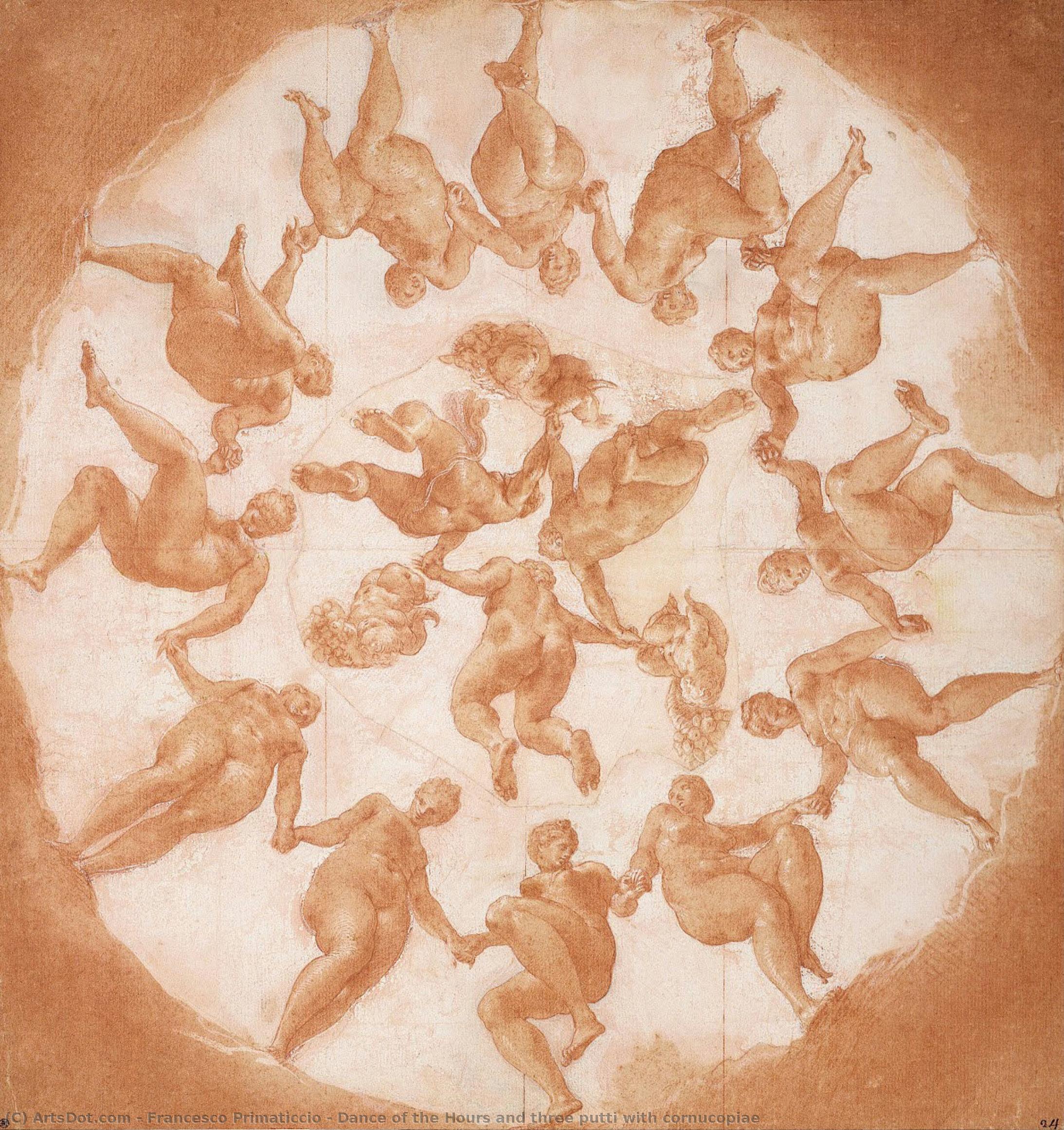
Francesco Primaticcio’s Dance of the Hours captures the ethereal beauty of Mannerism, portraying nude figures engaged in graceful movement within a luminous circle—a hallmark of Renaissance artistry—inviting viewers to explore this captivating masterpiece.
Discover Francesco Primaticcio: Italian Mannerist painter & architect known for opulent Fontainebleau designs & influential compositions. Explore his legacy!
Explore 700 years of art at the Städel Museum in Frankfurt! From Renaissance masterpieces to modern creations, discover iconic paintings & sculptures in a stunning architectural setting.
A Celebration of Fertility and Grace: Francesco Primaticcio’s Dance of the Hours
Francesco Primaticcio's "Dance of the Hours" is more than just a decorative fresco; it embodies the spirit of Renaissance Italy—a fervent belief in humanist ideals intertwined with profound religious devotion. Painted in 1549 for Palazzo Farnese in Rome, this monumental artwork represents a pivotal moment in Mannerist art, marking a departure from the idealized beauty championed by Raphael’s predecessors and embracing a more sensual exploration of form and movement. The fresco depicts twelve figures engaged in an elaborate dance around a central circular medallion adorned with three putti—winged angelic beings—and overflowing cornucopiae – symbols of abundance and prosperity.
Style and Technique: Embracing Mannerist Sensuality
Primaticcio’s masterful technique exemplifies the stylistic hallmarks of Mannerism, prioritizing expressive distortion over strict adherence to classical proportions. Unlike the serene compositions favored by Raphael, whose work sought harmony and balance, Primaticcio deliberately manipulates perspective and anatomy to heighten emotional impact. The figures are rendered with exaggerated musculature and poses that defy natural grace, conveying a palpable dynamism and restlessness. This stylistic choice wasn’t merely aesthetic; it reflected a broader cultural preoccupation with capturing fleeting moments of emotion and psychological complexity—a characteristic prevalent during the Reformation era when artists sought to convey spiritual fervor through visual representations. The fresco utilizes tempera paint on plaster, ensuring remarkable durability and preserving the vibrant colors that continue to captivate viewers centuries later.
Historical Context: Patronage and Religious Symbolism
The commission for “Dance of the Hours” underscores the importance of papal patronage in shaping artistic production during the Renaissance. Palazzo Farnese, a symbol of papal power and prestige, commissioned Primaticcio as part of an ambitious program to decorate its halls with mythological and allegorical imagery—a deliberate effort to reinforce the Church’s authority and celebrate divine grace. The dance itself is rooted in medieval liturgical tradition, where hours – periods of prayer – were marked by musical performances and dances intended to honor God. Each figure represents a different hour of the day, embodying virtues associated with contemplation and devotion.
Symbolism: Putti, Cornucopiae, and Divine Fertility
The central putti are particularly significant, representing divine innocence and guardianship—a visual manifestation of God’s benevolent care for humanity. Their outstretched hands hold cornucopiae overflowing with fruits and flowers, symbolizing fertility, nourishment, and the bounty of God's creation. These emblems resonate deeply within Christian iconography, emphasizing the promise of eternal life and spiritual fulfillment. The circular medallion serves as a focal point, uniting the figures in a harmonious gesture of reverence and reinforcing the overarching theme of divine grace permeating every aspect of human experience.
Emotional Impact: Capturing Movement and Expression
Ultimately, “Dance of the Hours” succeeds in conveying an extraordinary sense of movement and emotional intensity—a testament to Primaticcio’s artistic vision. The figures' poses are deliberately unsettling yet captivating, inviting viewers into a realm of imaginative contemplation. The fresco’s luminous colors and masterful execution evoke a feeling of grandeur and spiritual aspiration, transporting audiences back to the opulent courts of Renaissance Rome and reminding us of the enduring power of art to inspire awe and wonder.