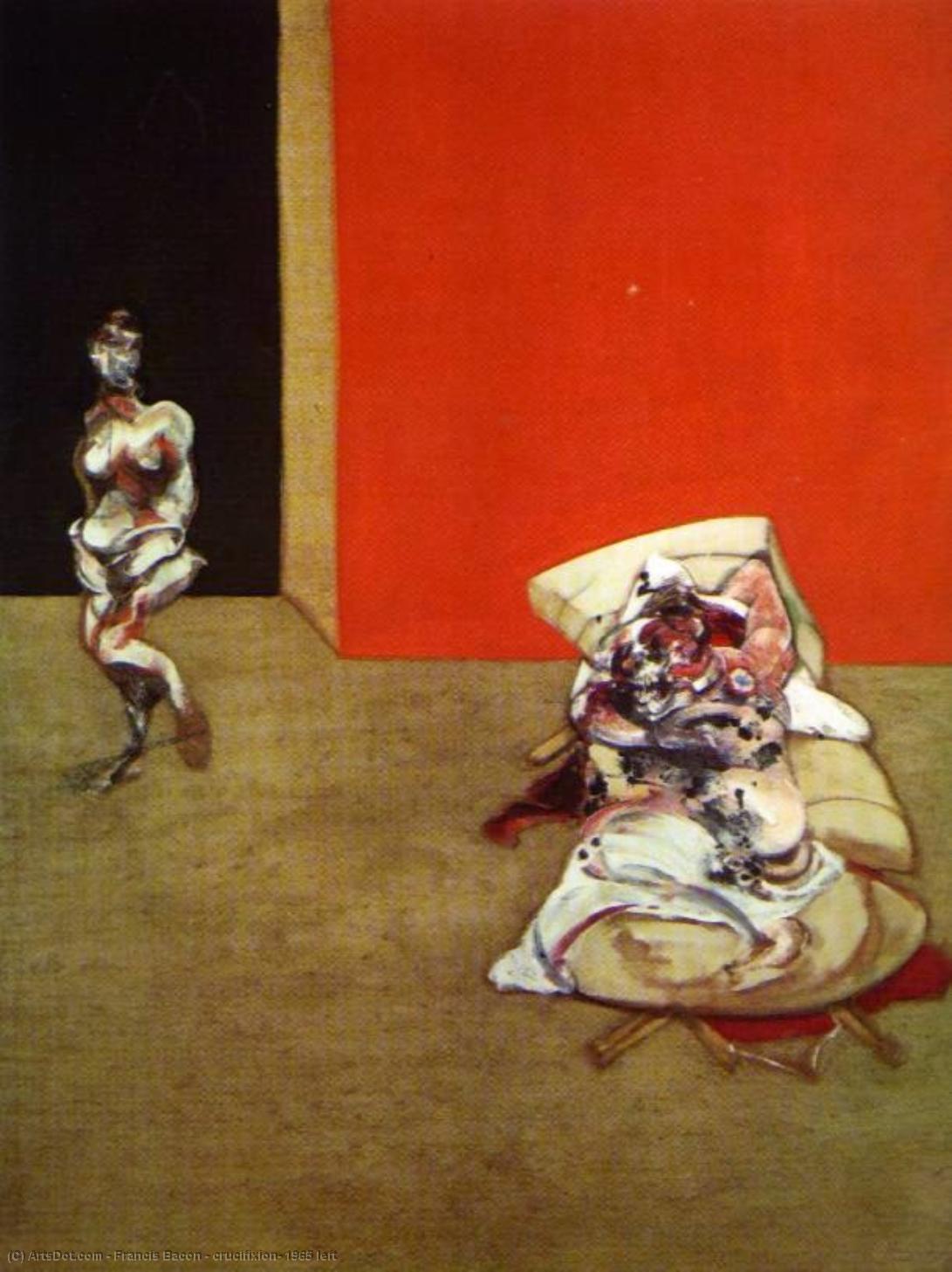
A haunting portrait by Francis Bacon captures the profound sorrow and isolation of human experience. Featuring a man slumped on the floor with his head bowed, the painting embodies Bacon's signature style—bold colors and distorted figures—creating an emotionally charged masterpiece.
A Portrait of Disquiet: Exploring Francis Bacon’s “Study No. 1”
Francis Bacon's "Study No. 1," painted in 1953, stands as a cornerstone of his oeuvre and arguably one of the most unsettling images produced during the mid-century artistic canon. More than just a depiction of a man slumped on the floor—a posture that immediately conveys vulnerability and despair—the painting operates on multiple levels of psychological complexity, inviting viewers into a confrontation with primal anxieties about mortality and the fragility of human existence.
- Subject Matter: The central figure is rendered in a strikingly distorted manner, his face partially obscured by a dark cloth. This deliberate obfuscation isn’t merely stylistic; it symbolizes the suppression of emotion and the inability to articulate inner turmoil—a recurring motif throughout Bacon's work.
- Style: Bacon’s style defies easy categorization. He embraced Expressionism, yet his approach transcended its conventions, forging a uniquely visceral aesthetic characterized by fragmented forms, grotesque distortions, and jarring juxtapositions of color. The painting embodies this spirit perfectly—rejecting idealized representations in favor of unflinching honesty.
- Technique: Bacon employed encaustic paint—a technique combining beeswax resin with pigments—which lends the canvas an unparalleled luminosity and textural richness. This method allows for layering colors and manipulating surfaces to create a palpable sense of depth and movement, mirroring the turbulent emotions conveyed by the image.
Historical Context: The Shadow of Trauma
Painted in the wake of World War II and amidst the pervasive anxieties of the Cold War era, “Study No. 1” reflects the broader cultural preoccupation with trauma and existential dread. Bacon himself experienced considerable personal hardship during this period—including a devastating divorce and the loss of his nanny—and these experiences undoubtedly informed his artistic vision. The painting’s bleak palette and unsettling imagery resonate powerfully with the psychological landscape of its time.
- Post-War Anxiety: The pervasive fear of nuclear annihilation permeated Western consciousness during the 1950s, fueling anxieties about vulnerability and impending doom—themes that find expression in Bacon’s exploration of human fragility.
- Influence of Surrealism: Although Bacon vehemently rejected Surrealist dogma, he acknowledged its impact on his artistic sensibility. The painting's fragmented forms and dreamlike atmosphere owe a debt to Surrealist experimentation with subconscious imagery.
Symbolism: Layers of Meaning
"Study No. 1" is replete with symbolic references that contribute to its profound emotional resonance. The dark cloth draped over the figure’s face represents concealment and repression—a refusal to confront uncomfortable truths. Similarly, the distorted musculature suggests a struggle against internal forces—a battle for control amidst overwhelming emotion.
- The Cloth: Represents secrecy and the suppression of feelings; it obscures the face, symbolizing an inability to express inner turmoil.
- Distorted Musculature: Suggests a violent internal conflict—a struggle for dominance against overwhelming emotion.
Emotional Impact: Confronting Darkness
Ultimately, “Study No. 1” compels viewers to confront the darkest recesses of human experience. It’s not a painting that offers comfort or reassurance; rather, it demands engagement—forcing us to acknowledge our own mortality and grapple with anxieties about suffering. Bacon's masterful manipulation of color and form achieves this effect brilliantly—creating an image that lingers in the mind long after viewing, prompting reflection on the complexities of human emotion.
- Psychological Resonance: The painting evokes feelings of unease, vulnerability, and despair—challenging viewers to confront uncomfortable truths about existence.