A Portrait Steeped in Tension: Exploring Francis Bacon’s ‘Portrait of Isabel Rawsthorne’
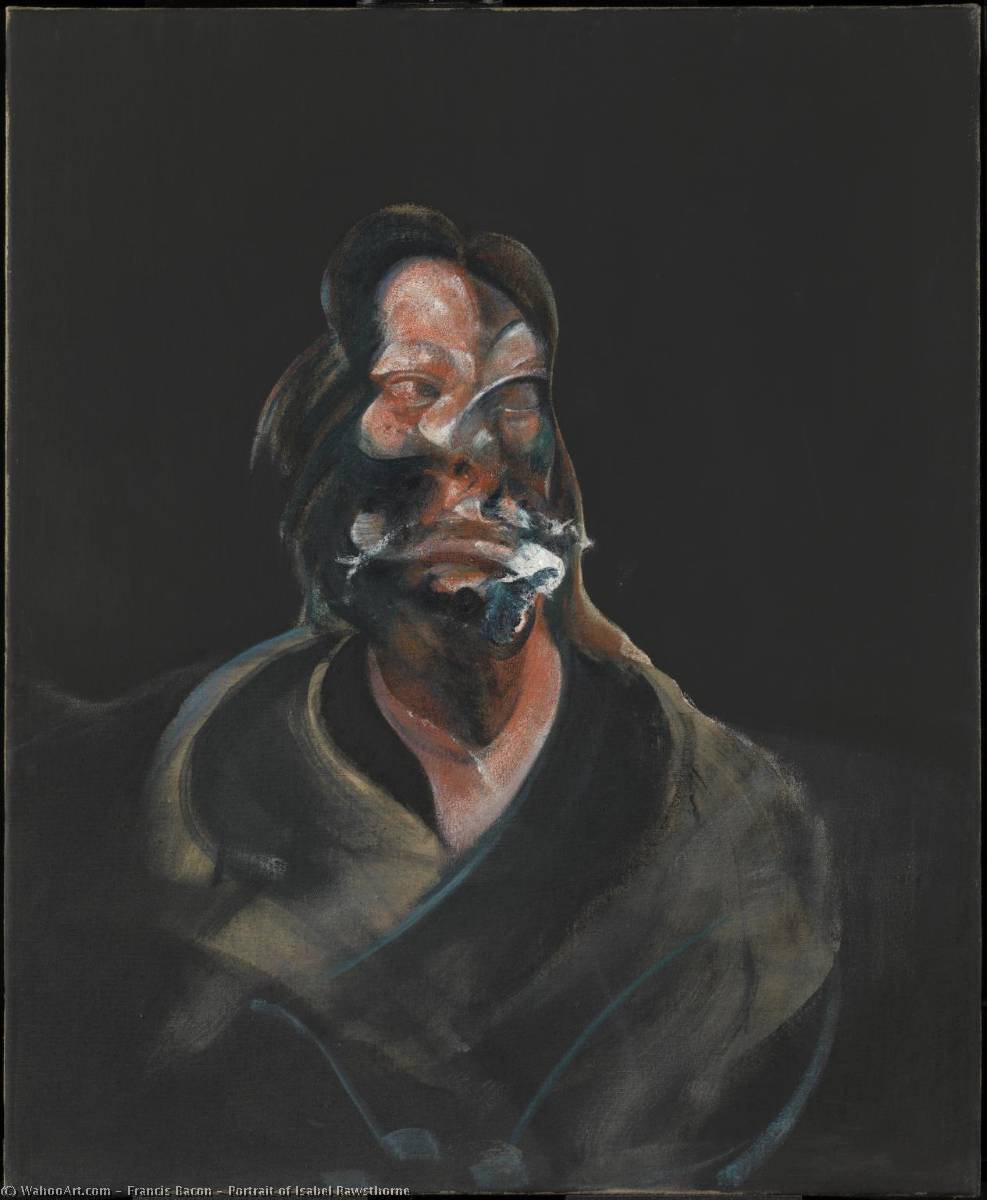
Francis Bacon's “Portrait of Isabel Rawsthorne,” completed in 1967, stands as a cornerstone of his oeuvre—a haunting meditation on vulnerability and psychological complexity rendered with his signature unsettling technique. More than just a likeness, it’s an embodiment of the artist’s preoccupation with confronting primal fears and anxieties, captured within the confines of a deceptively simple outdoor setting.
- Subject Matter: The portrait depicts Isabel Rawsthorne, a woman who held a significant place in Bacon's life—a muse and confidante whose presence profoundly influenced his artistic vision. Rawsthorne’s gaze directs outwards, seemingly absorbing the ambient light of Soho’s streets, yet her expression remains enigmatic, hinting at inner turmoil beneath a veneer of composure.
- Style & Technique: Bacon employed his characteristic method—close-up portraiture executed in oil paint on canvas—to dissect the human form. The painting utilizes a fragmented approach, layering textures and colors to create an illusionistic surface that simultaneously reveals and obscures detail. This technique is reminiscent of Picasso’s influence, particularly his exploration of distorted perspectives and emotional intensity.
- Historical Context: Created during the aftermath of World War II, “Portrait of Isabel Rawsthorne” reflects the pervasive anxieties of the time—a period marked by disillusionment and a questioning of traditional values. Bacon's work aligns with the broader existentialist movement, grappling with themes of mortality, isolation, and the inescapable burden of consciousness.
- Symbolism: The starkness of the composition contributes to its symbolic power. The muted palette—dominated by earthy tones—underscores the painting’s melancholic mood. Bacon deliberately avoids idealized beauty, instead presenting Rawsthorne as a figure confronting her own vulnerability and accepting the inevitability of suffering. This unflinching portrayal speaks to the artist's core belief in the importance of confronting uncomfortable truths.
- Emotional Impact: Viewing “Portrait of Isabel Rawsthorne” evokes a visceral response—a feeling of unease mingled with fascination. Bacon’s masterful manipulation of form and color compels the viewer to confront their own perceptions of beauty and terror. It remains a testament to his ability to distill profound psychological states into visual language, cementing its place as one of his most enduring achievements.
This remarkable artwork is currently housed at Marlborough Fine Art and can be admired in detail through Tate Britain’s collection. Reproductions offer an exceptional opportunity to experience Bacon's groundbreaking style and explore the depths of human emotion within a captivating visual narrative.