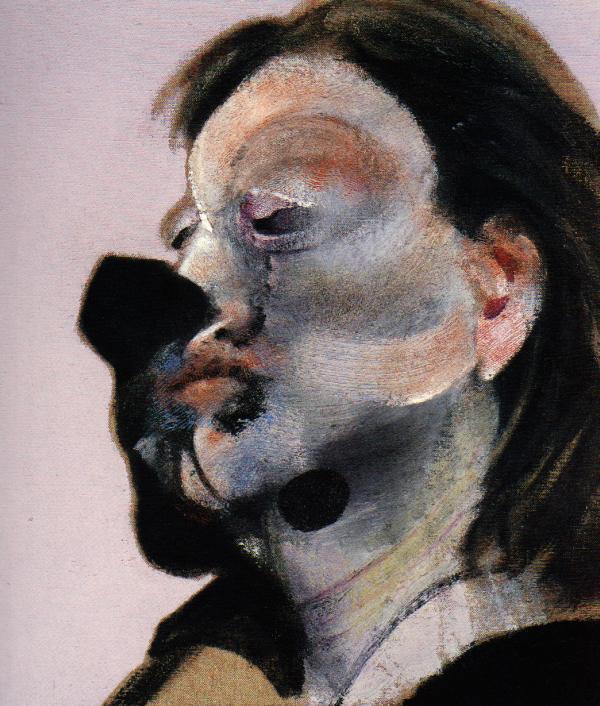
studies of george dyer and isabel rawsthorne, 1970 b
Explore Francis Bacon's (1909-1992) emotionally charged figurative paintings. Known for distorted forms, existential themes & bold expressionism, he remains a cornerstone of modern art. Discover key works & legacy.
A Descent into Darkness: Examining Francis Bacon’s “Studies of George Dyer and Isabel Rawsthorne”
Francis Bacon's "Studies of George Dyer and Isabel Rawsthorne," painted in 1970, isn’t merely a depiction of two figures; it’s an unflinching confrontation with the anxieties of the human condition. Executed during his prolific period following Lucian Freud, this canvas embodies the core tenets of Bacon's signature style – brutal honesty coupled with unsettling visual distortions—a testament to his unwavering commitment to exploring the darkest recesses of psychological experience. The painting immediately arrests the viewer’s gaze with its stark palette dominated by bruised reds and sickly yellows, colors that speak volumes about emotional turmoil and decay. These hues aren’t chosen arbitrarily; they represent a deliberate attempt to capture the visceral reality of suffering, mirroring Freud's own explorations into the complexities of human vulnerability.
Style and Technique: Expressionist Distortion
Bacon’s technique is characterized by an almost obsessive preoccupation with fragmentation and distortion. Unlike traditional portraiture, which strives for idealized representation, Bacon deliberately fractures his subjects— Dyer and Rawsthorne—into grotesque shapes that defy anatomical accuracy. Thickly applied paint—often built up in layers—creates a palpable sense of texture and physicality, mirroring the psychological intensity conveyed by the image. The artist employs a method he termed “squeeze painting,” where he presses pigment onto the canvas with his hands, achieving an unparalleled level of spontaneity and conveying raw emotion directly from the artist’s subconscious. This technique isn't about meticulous observation; it’s about channeling feeling into visual form—a deliberate rejection of academic conventions in favor of a profoundly personal aesthetic.
Historical Context: The Shadow of Freud
“Studies of George Dyer and Isabel Rawsthorne” emerged during a period marked by significant artistic upheaval following World War II. Bacon, like many artists of his generation, reacted against the prevailing optimism of postwar Europe, grappling with existential concerns about mortality and the absurdity of existence. His work stands in stark contrast to the Surrealist movement’s dreamlike imagery, reflecting instead a preoccupation with confronting uncomfortable truths—the inevitability of pain, loss, and ultimately, death. The painting's influence can be seen in Freud’s own explorations into the subconscious mind, particularly his unflinching depictions of human anatomy and emotion. Bacon consciously sought to push boundaries, mirroring Freud’s courageous willingness to confront taboo subjects and challenge conventional notions of beauty.
Symbolism: Layers of Trauma
The composition itself is laden with symbolic significance. The figures are positioned in close proximity, almost merging into one another—a visual representation of the intertwined nature of human relationships and the inescapable influence of trauma on perception. The pervasive use of red – a color traditionally associated with passion, violence, and blood – underscores the painting’s emotional core. Furthermore, the fragmented forms contribute to an overarching sense of disintegration, mirroring the psychological breakdown experienced by Dyer and Rawsthorne—subjects who were themselves grappling with personal crises during Bacon's time. The inclusion of a dog adds another layer of complexity, representing loyalty and companionship alongside vulnerability and fear – elements that resonate deeply within the broader context of human experience.
Emotional Impact: Confronting Darkness
Ultimately, “Studies of George Dyer and Isabel Rawsthorne” compels viewers to confront uncomfortable truths about themselves and humanity. Bacon’s masterful manipulation of color and form transcends mere visual representation; it achieves a profound emotional resonance that lingers long after the initial encounter. The painting isn't intended to offer solace or comfort but rather to provoke contemplation—to force us to acknowledge the darkness within ourselves and the fragility of human existence. It remains a powerfully disturbing yet undeniably beautiful artwork, cementing Bacon’s legacy as one of the most significant figures in 20th-century art.