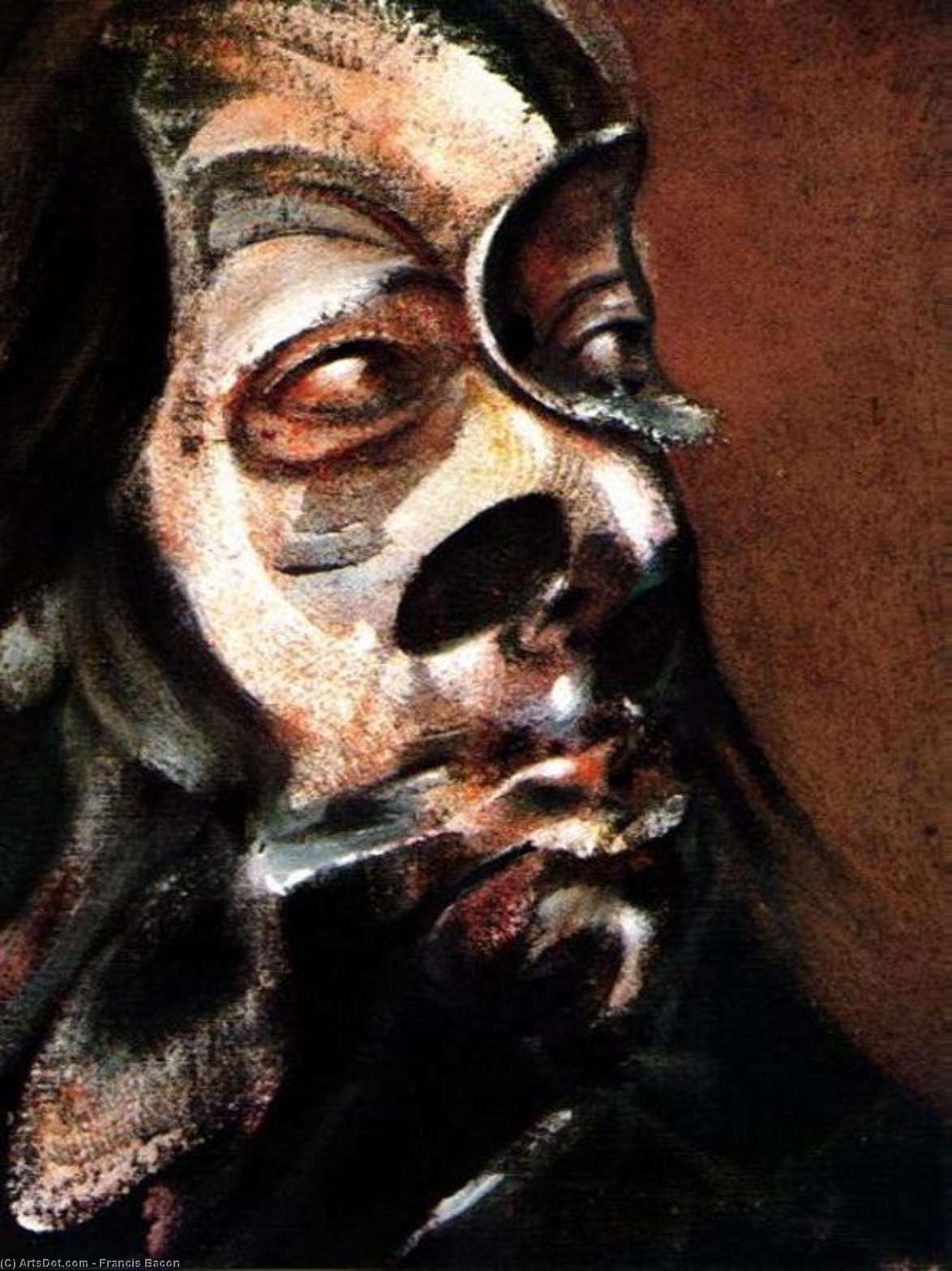
A Descent into Raw Emotion: Unpacking Francis Bacon’s “Study for Portrait of Isabel Rawsthorne 2”
Francis Bacon's oeuvre is defined by an unflinching confrontation with the darker aspects of human existence – a relentless exploration of pain, isolation, and existential dread. "Study for Portrait of Isabel Rawsthorne 2," painted in 1976, exemplifies this core tenet with brutal honesty and unsettling power. This seemingly simple portrait transcends mere representation; it’s an excavation of psychological turmoil, rendered through a masterful manipulation of form and color that continues to resonate profoundly with viewers decades later.
- Subject & Initial Impression: The subject, identified as Isabel Rawsthorne, is presented in a state of profound distress. Her face, deliberately distorted and fragmented, evokes a visceral reaction – a sense of shock, vulnerability, and perhaps even terror. The open mouth, wide eyes, and exaggerated features are not intended to depict beauty or serenity but rather to expose the raw, unfiltered experience of suffering.
- Expressionist Technique: Bacon’s technique is characterized by its deliberate crudeness, a rejection of academic precision in favor of an intensely personal expression. Bold, gestural brushstrokes dominate the canvas, creating a sense of movement and instability. The application of paint is often thick and impastoed, adding to the painting's tactile quality and reinforcing the feeling of urgency and emotional intensity.
Decoding the Symbolism: A Landscape of the Psyche
Bacon rarely offered explicit interpretations of his work, preferring to allow viewers to engage with the paintings on a deeply intuitive level. However, several symbolic elements contribute to the painting’s unsettling atmosphere. The dominant red background isn't merely a decorative choice; it symbolizes blood, violence, and perhaps even the subconscious – the hidden depths of human emotion. The distorted features can be interpreted as reflections of internal anxieties, fragmented identities, or the disintegration of the self under pressure.
- Influence of Surrealism & Expressionism: Bacon’s work is profoundly influenced by both Surrealist and Expressionist movements. Like Picasso's fractured portraits, he deconstructs the subject to reveal underlying psychological states. Simultaneously, his technique echoes the emotional intensity championed by German Expressionists, particularly in its rejection of naturalistic representation.
- The Figure as a Vessel: The figure itself becomes a vessel for these anxieties, a conduit through which Bacon channels his own profound sense of unease about the human condition. It’s important to note that Bacon frequently depicted figures in states of isolation and vulnerability, reflecting his own experiences with loneliness and displacement.
Historical Context & The Post-War Landscape
"Study for Portrait of Isabel Rawsthorne 2" was created during a period of immense social and political upheaval – the aftermath of World War II. This era fostered a sense of disillusionment, anxiety, and uncertainty that deeply impacted artistic sensibilities. Bacon’s work reflects this broader cultural mood, capturing the psychological scars left by conflict and exploring themes of mortality, loss, and the fragility of human existence. His early life, marked by instability and his mother's health issues, undoubtedly informed his preoccupation with these themes.
- Bacon’s Unique Vision: Bacon’s approach was radically different from that of many of his contemporaries. He wasn’t interested in creating idealized portraits or celebrating heroic narratives; instead, he sought to expose the uncomfortable truths about human nature – the darkness, the vulnerability, and the potential for suffering.
- A Legacy of Intensity: Francis Bacon's work continues to challenge and disturb viewers, cementing his place as one of the most important and influential artists of the 20th century. His unflinching honesty and masterful technique ensure that “Study for Portrait of Isabel Rawsthorne 2” remains a powerful testament to the enduring power of art to confront our deepest fears.
Perfecting Your Collection: A Hand-Painted Reproduction
ArtsDot offers meticulously crafted, hand-painted reproductions of Francis Bacon’s "Study for Portrait of Isabel Rawsthorne 2," allowing you to bring this iconic work into your home or office. Our skilled artisans employ the same techniques and materials as Bacon himself, ensuring an unparalleled level of detail and authenticity. Each reproduction is a unique piece of art, capturing not just the image but also the emotional intensity of the original. Consider this reproduction a powerful addition to any collection focused on 20th-century art, expressionism, or the profound exploration of the human psyche.