A Study in Vulnerability: Francis Bacon’s ‘Study for the Human Body Figures in Movement’
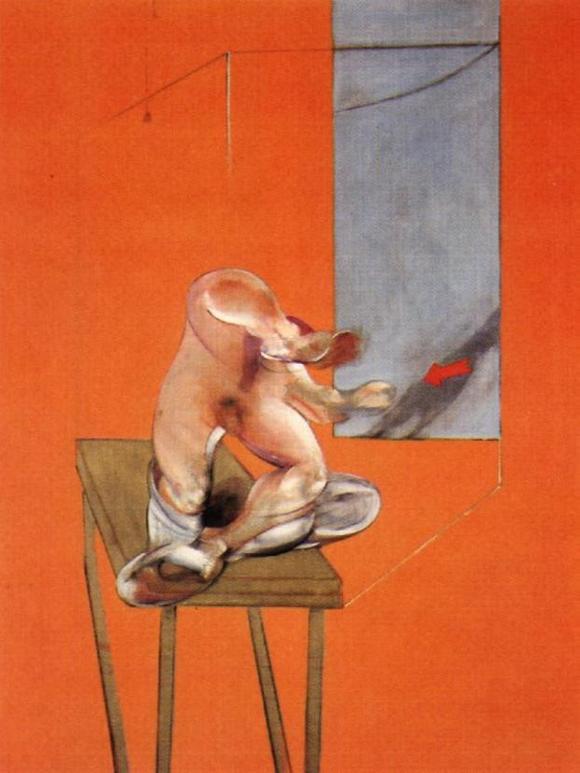
Francis Bacon's 1982 work, “Study for the Human Body Figures in Movement,” is not merely a depiction of a baby; it’s an intensely felt meditation on isolation, vulnerability, and the unsettling nature of perception. Painted during a period of profound artistic maturity, this piece exemplifies Bacon’s signature style – a brutal honesty rendered with a deceptively simple palette and a masterful command of expressive brushwork. The image presents a naked infant seated in a chair, its back turned to the viewer, lost in contemplation or perhaps, more disturbingly, oblivious to our gaze. This deliberate anonymity immediately establishes a sense of detachment, inviting us to confront our own anxieties about witnessing – and being witnessed.
The Rawness of Technique and Composition
- Brushwork: Bacon’s technique is characterized by violent, almost frantic brushstrokes. Here, they are employed with a particular urgency, creating a sense of unease and instability within the composition. The paint seems to writhe and pulsate, mirroring the emotional turmoil at the heart of the image.
- Color Palette: The predominantly orange background is not merely decorative; it’s a key element in conveying mood. Orange, often associated with danger and passion, amplifies the sense of unease and contributes to the painting's unsettling atmosphere.
- Composition: The arrangement of the figure – seated, vulnerable, and facing an unseen object – is deliberately ambiguous. The window introduces a further layer of complexity, suggesting both escape and confinement.
Symbolism and the Weight of History
Bacon’s work is steeped in symbolism, often drawing on anxieties about modernity and the dehumanizing effects of industrialization. The baby, a universal symbol of innocence and vulnerability, is here presented as profoundly disturbed. Its averted gaze suggests a rejection of the world – or perhaps simply an inability to comprehend it. The birds, subtly placed within the scene, could represent fleeting moments of beauty or, conversely, reminders of mortality. Considering Bacon’s own turbulent childhood marked by instability and displacement, this piece can be interpreted as a deeply personal reflection on his own sense of alienation.
Emotional Resonance and Artistic Legacy
"Study for the Human Body Figures in Movement" is a profoundly unsettling work that continues to resonate with viewers today. It’s a testament to Bacon's ability to tap into primal fears and anxieties, offering a glimpse into the darkest corners of the human psyche. This reproduction captures not just an image but the very essence of Bacon’s artistic vision – a raw, uncompromising exploration of what it means to be alive in a world often devoid of meaning. Its impact lies in its refusal to offer easy answers, forcing us to confront uncomfortable truths about ourselves and our place in the universe.