A Study in Vulnerability and Distortion: Exploring Francis Bacon’s “Study for Crouching Nude”
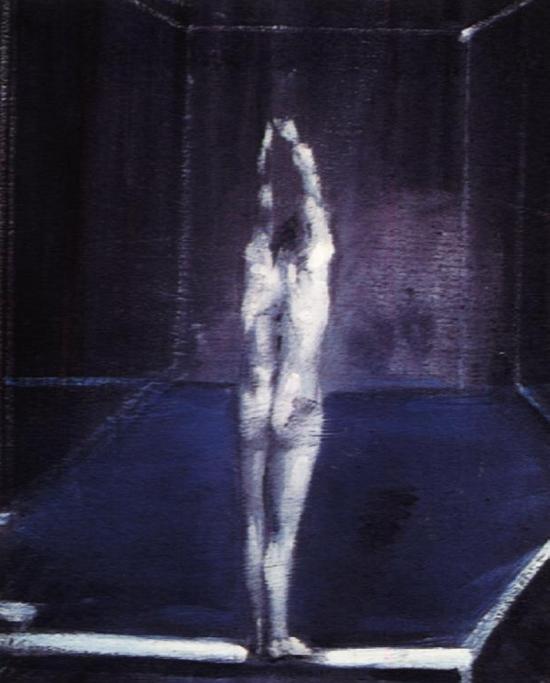
Francis Bacon's "Study for Crouching Nude," painted in 1952-53, stands as a haunting testament to the artist’s profound engagement with existential anxieties and his masterful manipulation of form. This deceptively simple composition—a solitary figure perched atop a muted blue surface—immediately confronts the viewer with an unsettling stillness punctuated by visceral dynamism. It's not merely a depiction of nudity; it’s an embodiment of vulnerability, fear, and the inescapable confrontation with mortality – themes central to Bacon’s artistic vision.
- Subject Matter: The painting centers around a nude male figure positioned awkwardly on what appears to be a tennis court or similar expanse of blue. This deliberate choice of setting contributes to the artwork's atmosphere of isolation and precariousness.
- Style & Technique: Bacon’s signature style—characterized by distorted forms, expressive brushstrokes, and a rejection of illusionistic representation—is powerfully evident here. Thick impasto creates textural surfaces that pulsate with energy, mirroring the psychological turmoil conveyed within the image. The artist employs a technique reminiscent of Muybridge's photographic studies of animal locomotion, subtly referencing movement and instability despite the static pose of the figure.
Historical Context: Postwar Existentialism
Painted during the immediate aftermath of World War II, “Study for Crouching Nude” reflects the pervasive mood of disillusionment and uncertainty that gripped Europe at the time. Bacon’s artistic explorations align closely with the burgeoning existentialist philosophy championed by thinkers like Sartre and Camus—a movement concerned with confronting the absurdity of existence and grappling with themes of trauma and psychological fragmentation. The painting captures this spirit of unease, mirroring the anxieties experienced by artists and intellectuals navigating a world scarred by conflict.
Symbolism: Fear and Precariousness
The figure’s posture—raised arms outstretched, torso twisted—suggests a state of profound distress and defenselessness. The blue surface beneath him serves as both a grounding element and an emblem of confinement, symbolizing the inescapable pressures of circumstance. Bacon deliberately avoids portraying idealized beauty or serenity; instead, he presents a raw depiction of human vulnerability – a deliberate provocation designed to unsettle the viewer and force contemplation on fundamental questions about life and death.
Emotional Impact: Confronting Trauma
“Study for Crouching Nude” is undeniably emotionally charged. Bacon’s masterful use of color, texture, and distortion achieves an extraordinary level of psychological intensity. The painting compels us to confront uncomfortable truths about the human condition—the inevitability of suffering, the fragility of identity, and the inescapable awareness of our own mortality. It remains a profoundly disturbing yet undeniably captivating artwork that continues to resonate with audiences today.